
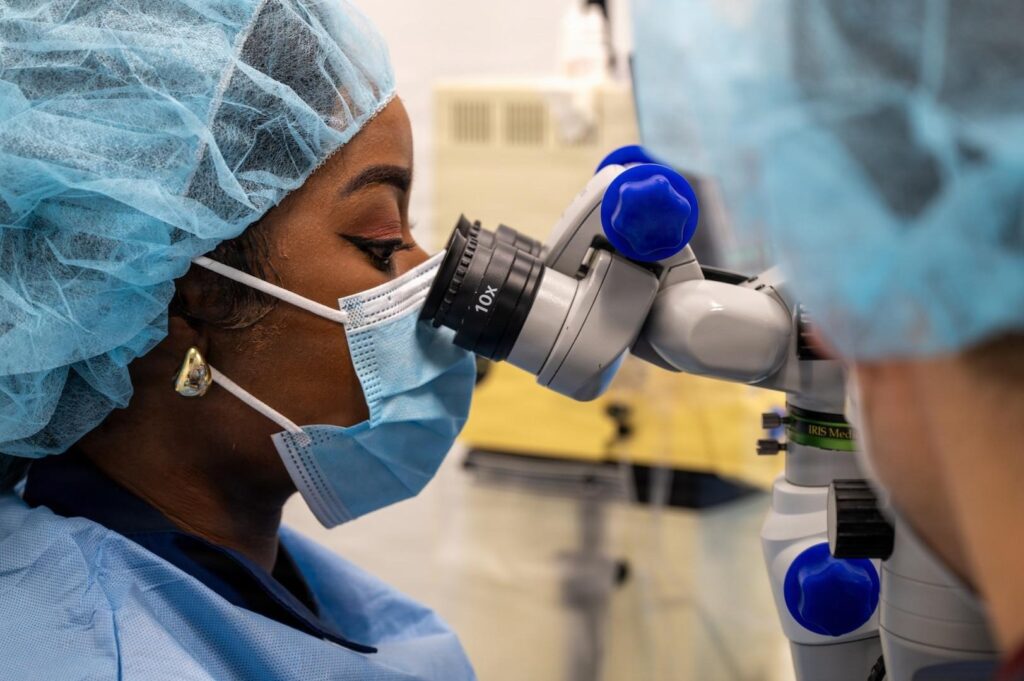
Cataract surgery often brings a noticeable improvement in vision, allowing people to see more clearly and comfortably again. While the procedure itself addresses the clouded lens, maintaining healthy eyesight does not end once recovery is complete. Long-term vision depends on consistent care and awareness of overall eye health.
Understanding how to support your eyes after surgery can help preserve the benefits of clearer vision. With the right habits and regular checkups, it is possible to maintain stable eyesight and reduce the risk of future problems.
What Changes After Cataract Surgery
When a cataract is removed, the cloudy natural lens is replaced with a clear artificial one. This allows light to pass through the eye more effectively, improving sharpness and brightness. Many people notice that colors appear more vivid and details become easier to see.
Although vision improves, the rest of the eye continues to age naturally. This means that other conditions, such as retinal changes or dry eye, may still develop over time. Staying aware of these possibilities helps support long-term eye health.
The period after surgery is an opportunity to build habits that protect and maintain vision.
The Importance of Regular Eye Checkups
Routine eye examinations are one of the most effective ways to maintain clear vision. Even after successful cataract surgery, regular visits allow eye care professionals to monitor changes and detect potential issues early.
These checkups help ensure that the artificial lens remains well-positioned and that the eye is functioning properly. They also provide an opportunity to assess overall eye health and address any concerns.
For a deeper understanding of how continued care supports vision, this resource on ongoing eye wellness highlights the importance of monitoring changes over time.
Detecting Changes Early
Some eye conditions develop gradually and may not cause noticeable symptoms in the early stages. Regular exams allow for early detection, which can make treatment more effective.
Conditions such as glaucoma or retinal disorders can affect vision if left untreated. Identifying these issues early helps protect long-term eyesight.
Consistency in follow-up care plays a key role in maintaining visual stability.
Daily Habits That Support Eye Health
Simple daily habits can have a meaningful impact on vision. Protecting the eyes from excessive sunlight by wearing UV-blocking sunglasses helps reduce long-term damage. Maintaining a balanced diet rich in vitamins and antioxidants also supports eye function.
Staying hydrated and taking breaks from digital screens can reduce eye strain. These small adjustments help keep the eyes comfortable and reduce fatigue.
For additional guidance on maintaining healthy vision habits, this article on proper eye care practices provides helpful insights into everyday routines.
Managing Age-Related Eye Changes
As the body ages, the eyes undergo natural changes that can affect vision. Even after cataract surgery, conditions such as macular degeneration or dry eye may develop. Understanding these changes helps individuals stay prepared and proactive.
Regular monitoring and early intervention can help manage these conditions effectively. In many cases, treatment options are available that can slow progression and preserve vision.
Awareness of these possibilities supports a more comprehensive approach to eye care.
Recognizing Subtle Symptoms
Changes in vision may not always be sudden. Gradual shifts in clarity, contrast, or comfort can signal underlying issues. Paying attention to these changes allows for timely evaluation.
If vision becomes distorted, dim, or uncomfortable, seeking professional advice ensures that any problems are addressed promptly.
Staying attentive to small changes can make a significant difference over time.
The Role of Modern Eye Care Advancements
Advances in ophthalmology continue to improve how eye conditions are diagnosed and treated. New technologies allow for more precise imaging and earlier detection of retinal and other eye diseases.
These developments contribute to better outcomes and more personalized care. They also highlight the importance of staying informed about available treatment options.
For insight into how eye care is evolving, this article on the future of retina care explores emerging approaches in vision treatment and management.
Balancing Vision Care with Overall Health
Eye health is closely connected to overall well-being. Conditions such as diabetes, high blood pressure, and lifestyle habits can all influence how the eyes function. Managing these factors supports both general health and vision.
Regular medical checkups, a balanced diet, and an active lifestyle contribute to maintaining healthy eyes. Taking a holistic approach helps ensure that vision remains stable over time.
Combining general health practices with focused eye care creates a strong foundation for long-term wellness.
Building a Long-Term Approach to Vision Care
Maintaining vision is an ongoing process rather than a one-time effort. Establishing a routine that includes regular exams, healthy habits, and awareness of changes helps protect eyesight for the future.
Open communication with eye care professionals allows for personalized guidance based on individual needs. This collaborative approach ensures that care remains effective and relevant.
Over time, these efforts contribute to a more stable and comfortable visual experience.
Conclusion
Clear vision after cataract surgery is an important milestone, but maintaining that clarity requires continued attention. Regular checkups, healthy habits, and awareness of changes all play a role in preserving eyesight.
By focusing on long-term care and staying informed about eye health, individuals can support lasting visual comfort and function. A thoughtful approach to vision care helps ensure that the benefits of surgery continue well into the future.