Pregnancy, no doubt, will bring a lot of enjoyment and excitement, but will also come with several physiological changes that will affect the woman. One of the uncommon serious issues is the kidney stones, which are the hard deposits of minerals and salts that form in the kidney. The combination of the hormonal changes, hydration and altered calcium metabolism during pregnancy will increase the risk of developing the problem of kidney stones. Managing the problem of kidney stones during pregnancy will always require special care with the help of best gynaecologist in Bhubaneswar, so that things are very well sorted out and there is no chance of any kind of complication.
Tips for managing the kidney stones in pregnancy
- Focusing on maintaining hydration levels: One of the important steps that you need to know about managing and preventing kidney stones is drinking plenty of fluids. Adequate hydration will be helpful in diluting the urine and further reducing the concentration of the minerals which will be coming from stones. Pregnant ladies must always focus on consuming approximately 10 glasses of water every day, and more if recommended by their doctor. Hydration will be helpful in supporting the kidney function and will also allow you to flush out the small stones very naturally. To make sure that hydration becomes very easy, keeping the water bottle within your accessibility throughout the day will be important, and further, you should avoid the consumption of sugar and caffeinated beverages because they will lead to dehydration. Coconut water and lemon water are good options for maintaining fluid levels and kidney health.
- Focusing on following a balanced diet: Diet will play a very important role in managing the kidneys, and further, depending on a sodium and balanced diet, it will be very important so that there is no chance of any issue. This will help in preventing the calcium from being excreted in large amounts through the urine, and high intake of salt will also increase the risk of stone formation, which is the main reason that reducing the consumption of processed foods will be very important. Including fresh fruits, vegetables, and whole grains in your diet is a good idea so that you will be able to maintain the overall mineral balance. However, excessive consumption of the calcium supplements prescribed by Dr is also important to be avoided.
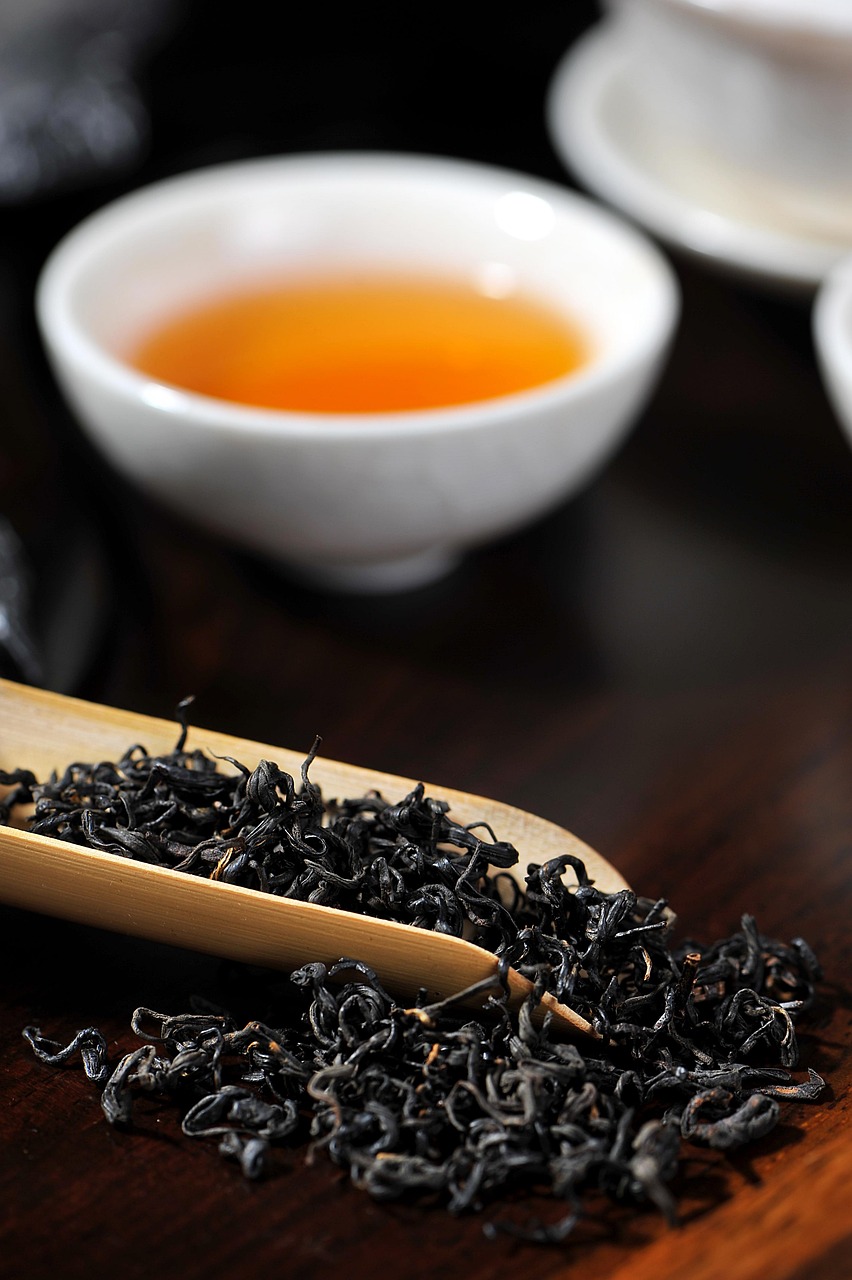
- Limiting the consumption of oxalate-rich foods: The kidney stones, specifically the calcium oxalate stones, will be forming due to the high level of oxalate in the urine, which is the main reason that food items like beetroot, spinach, nuts and tea are rich in oxalate, which have to be consumed in moderation. Instead, you should depend upon the low oxalate vegetables like cucumber, zucchini and cauliflower. Combining the moderate calcium intake with a reduction in oxalate diet will be very important in terms of managing the intestines very easily, and further will make sure that there will be no chance of any kind of problem. Always consulting the doctor and nutritionist before making any significant dietary changes to your diet will be very important, so that things are sorted out and pregnancy will be very well managed.
- Maintaining the proper calcium intake: While it seems to be very logical to avoid calcium in terms of preventing stones, doing so will have the opposite effect. Very low calcium intake will lead to calcium being absorbed into the bloodstream and will increase the risk of kidney stones. Therefore, pregnant ladies must always focus on ensuring adequate dietary calcium from natural sources like milk, yoghurt and cheese. However, you should also avoid taking calcium supplements without the recommendation of a doctor because it will be very problematic to manage if it leads to the formation of stones.
- Managing nausea and vomiting to prevent dehydration: As per the consultation of the best gynaecologist doctor in Bhubaneswar, it is very important for you to focus on managing the nausea and vomiting so that there are no episodes of dehydration. This will be helpful in making sure that things are very well sorted out, and you should focus on consuming small and frequent meals, which will include hydrated foods like fruits and soups. Maintaining the electrolyte balance with oral hydration solutions will be very important so that you will be able to keep the kidneys healthy without any issues.
- You should depend upon regular prenatal checkups: Prenatal checkups will be very much important to be taken into account because they will allow you to provide a clear idea about the overall health conditions, and further you will be able to make sure that ultrasound imaging will be very much safe during the pregnancy so that identification of the stone size and location will be clearly done. This will further provide you with a clear idea about the entire situation, so that there is no chance of any kind of blockage, and further, the doctor can provide you with safe intervention or hospitalisation for pain management.
- You should go for pain management under medical supervision: The kidney stones will lead to severe pain, which should be managed very carefully during pregnancy and not all of the medications are safe for expectant mothers, which is the main reason that you should only depend upon the prescribed medication to avoid any problem. Paracetamol is usually considered safe, while NSAIDs should be avoided until specifically recommended. So, application of the warm compress is another very important thing that you need to take into account so that discomfort will be eliminated.
Conclusion: Apart from the above-mentioned points, getting in touch with the child specialist doctor in Bhubaneswar will also be very important for you, so that you will be able to get the medical intervention whenever required, and further, you will be able to successfully manage the kidney stones during the pregnancy. Ultimately, by remaining informed, proactive and cautious, every expectant mother will be able to minimise the discomfort, prevent the complications and ensure the overall well-being of themselves as well as the baby.