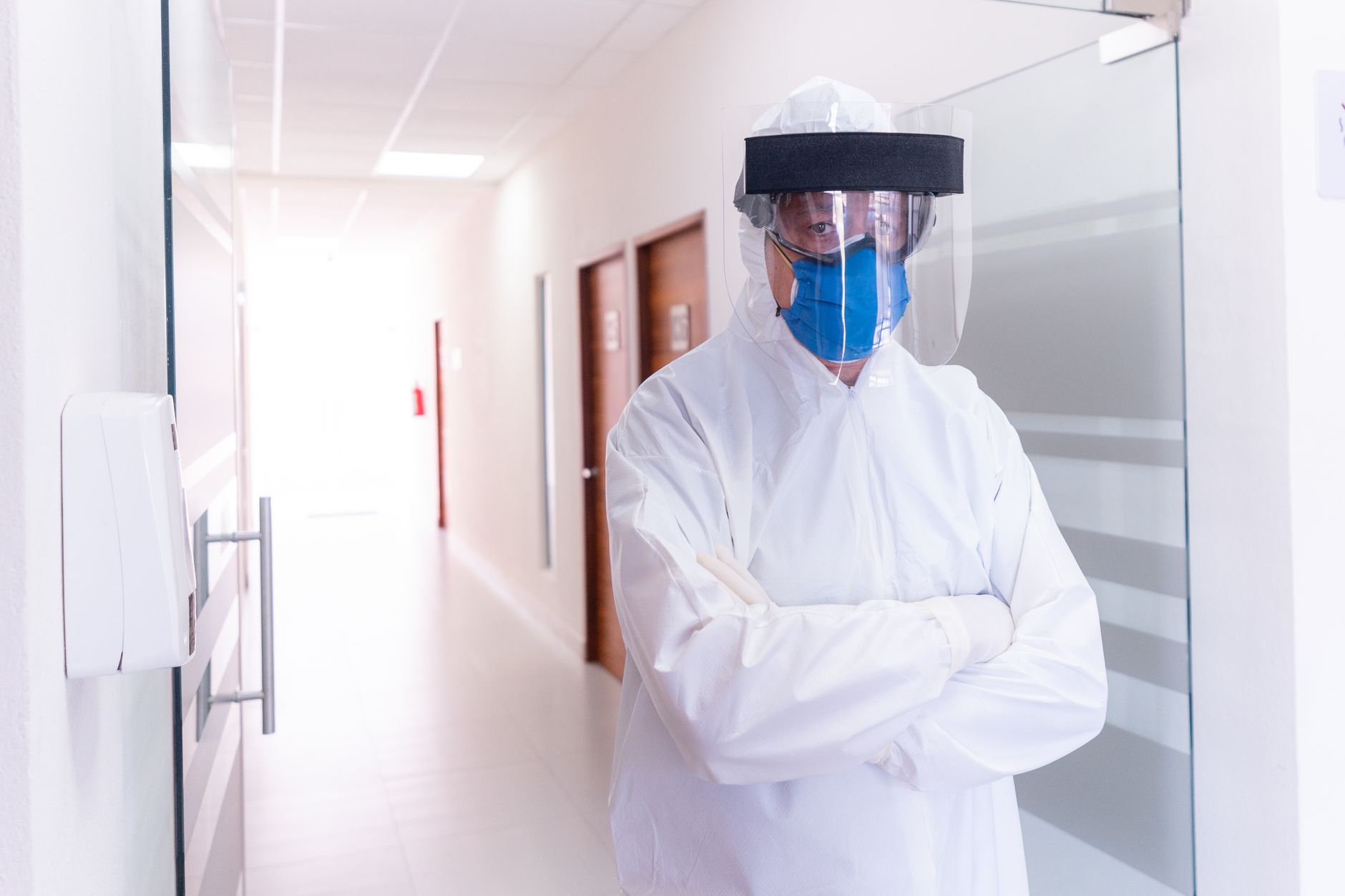
Artificial intelligence is changing how hospitals track, prevent, and respond to infections before outbreaks occur.
Real-time monitoring catches outbreaks early
Hospitals now use AI tools that continuously scan electronic health records, lab results, and even social media for unusual patterns. These systems detect signs like a sudden increase in fever cases or clusters of similar symptoms that may indicate an emerging outbreak.
The tools do not replace human judgment. They highlight anomalies, but infection control teams still determine whether to isolate patients, order additional cleaning, or notify public health agencies. The key improvement is speed—what once required days now happens in hours.
Predictive models spot infections before symptoms appear
Machine learning models trained on millions of patient records can now forecast which individuals are most likely to develop healthcare-associated infections such as C. difficile or MRSA. The algorithms consider factors like length of stay, antibiotic exposure, and recent surgeries to calculate risk scores.
False positives remain an issue, as some flagged patients never develop infections. However, even these alerts can encourage better hygiene practices, such as more frequent handwashing or extra room cleaning, which still lower overall risk.
Some experts warn the technology could create overconfidence. If staff depend too much on AI alerts, they might neglect basic infection control measures like proper glove use or sterilization. Most hospitals address this by combining the tools with ongoing training and audits.
Related: Signs You’ve Outgrown the Generic Tobacco Options Available at Local Retailers
AI also helps optimize cleaning resources. Sensors monitor foot traffic in hallways, waiting rooms, and patient areas, adjusting cleaning schedules based on actual use. High-touch surfaces like doorknobs and bed rails receive extra attention, while low-traffic areas get fewer interventions.
Antibiotic stewardship improves with AI
Overuse of antibiotics drives antimicrobial resistance, a growing threat responsible for over a million deaths annually. AI assists hospitals in prescribing antibiotics more carefully by analyzing patient data to recommend the most effective drug, dose, and duration.
The system compares lab results, patient history, and local resistance patterns to suggest alternatives when a first-line drug is likely to fail. It also flags cases where antibiotics may not be needed, such as viral infections.
Real-time monitoring extends beyond individual patients. Some hospitals now use AI to track antibiotic use across entire units, identifying trends like overprescribing in emergency departments or under-dosing in ICUs. These insights help infection control teams implement targeted education or policy changes.
The technology has limitations. Resistance patterns vary by region, and models trained on data from one hospital may not perform as well elsewhere. But as systems process more data over time, their recommendations become more accurate.
Adoption remains uneven. Some hospitals hesitate due to cost, training requirements, or data privacy concerns. Others integrate the technology selectively, using it for surveillance but not antibiotic stewardship, or vice versa. Uneven adoption could limit benefits to well-funded institutions, leaving smaller or rural hospitals behind.
Regulators have been slow to establish guidelines for AI in infection control. Without clear standards, hospitals might deploy untested tools, risking false alarms or missed outbreaks. The FDA has approved a few AI-based diagnostic tools but none yet for real-time infection surveillance or predictive modeling.
Related: Defence Therapeutics appoints Dr Svetlana Selivanova to board
Sanitation improves, but human oversight remains essential
AI-powered sensors now monitor hospital cleanliness by tracking surface contamination and air quality. Some systems use ultraviolet light to detect organic matter on floors and equipment, while others analyze swab samples in real time. When contamination is found, the system alerts cleaning staff or activates disinfection robots.
Hand hygiene compliance also benefits from AI. Cameras or wearable badges track whether staff wash their hands before and after patient contact. If someone misses a step, the system sends a reminder—either a vibration on their badge or a message on a nearby screen. A study at a Midwest hospital showed compliance improved by 30% after introducing such a system.
These tools do not eliminate the need for human oversight. Cleaning protocols still require manual checks, and staff must verify that sensors and robots function properly. By automating routine tasks, AI allows infection control teams to focus on more complex challenges, like investigating unusual clusters or updating policies based on new research.
Future advancements may involve greater integration between systems. Currently, surveillance tools, predictive models, and sanitation monitors often operate separately. If they shared data seamlessly, hospitals could gain a clearer picture of infection risks and respond more quickly.
For now, the technology continues to develop. Early adopters report positive results, but broader impact will depend on how well hospitals adapt workflows, train staff, and measure success. AI is no longer a futuristic idea in infection control—it is already reshaping how hospitals protect patients and staff from preventable harm.
Partnerships between advocacy groups and health organizations have explored similar approaches to infection control challenges during public health crises.




Leave a Reply