Mitsui Chemicals has introduced InnoCell P-Type, an adherent cell-culture vessel that merges the firm’s oxygen-permeable polymer with a surface-treatment process to boost cell attachment. The device targets organoids and other three-dimensional (3D) cell models, seeking to raise the accuracy and repeatability of drug-efficacy and toxicity assays.
As pharmaceutical research leans toward models that mirror human biology, 3D cultures are employed to probe disease pathways, test therapies and support personalized-medicine approaches. Dense cell layers and thick tissue constructs often suffer from limited oxygen diffusion, which can impair cellular function, produce uneven tissue, and hinder assay consistency. InnoCell P-Type offers high oxygen permeability, low autofluorescence for clearer imaging, and minimal drug adsorption to reduce compound interference.
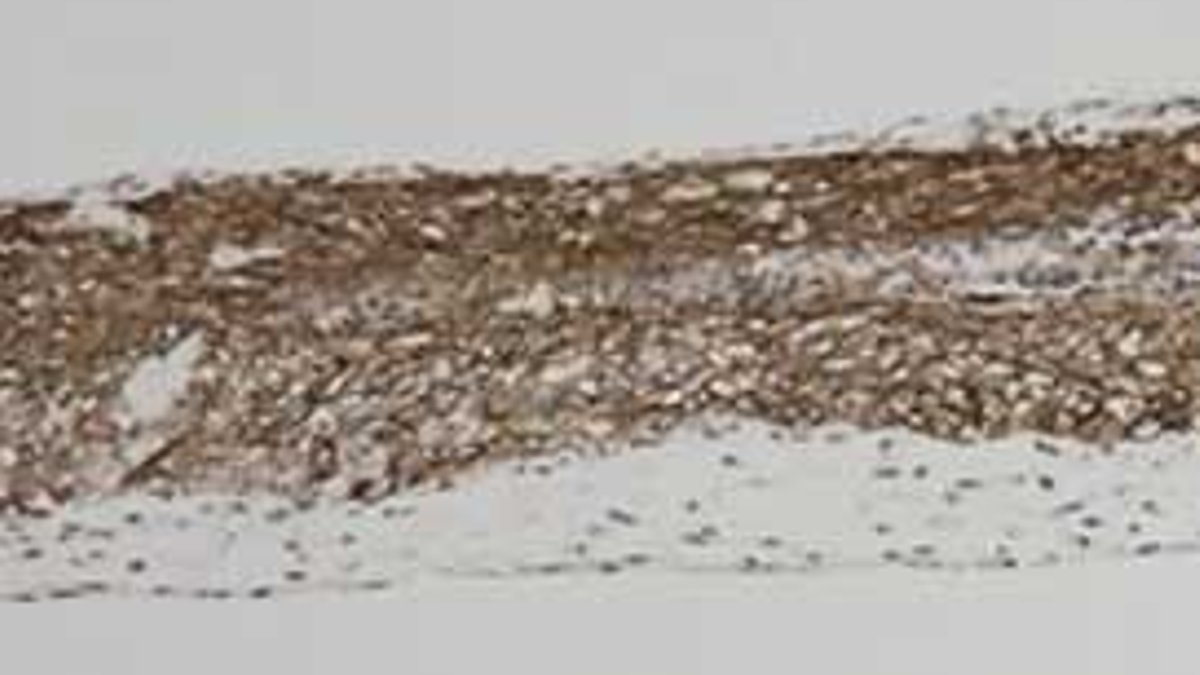
At Kansai Medical University, Dr. Hidetoshi Masumoto used the vessel to grow cardiac organoids derived from human induced pluripotent stem (iPS) cells. Compared with standard polystyrene plates, the new platform yielded more uniform tissue thickness, thicker constructs, and a denser layer of cardiomyocytes positive for the cardiac marker troponin T.
Dr Masumoto said the findings suggest that culture vessels providing an appropriate oxygen supply could help researchers develop 3D cardiac tissue models.
In a separate study, Dr. Jonny Sexton of the University of Michigan Medical School examined human intestinal organoid monolayers with the same vessel. Relative to conventional inserts, the platform delivered more sensitive and consistent measurements of epithelial barrier function, showing stronger barrier formation and clearer responses to inflammatory triggers. Its low autofluorescence also supports high-content imaging and large-scale screening.



Leave a Reply