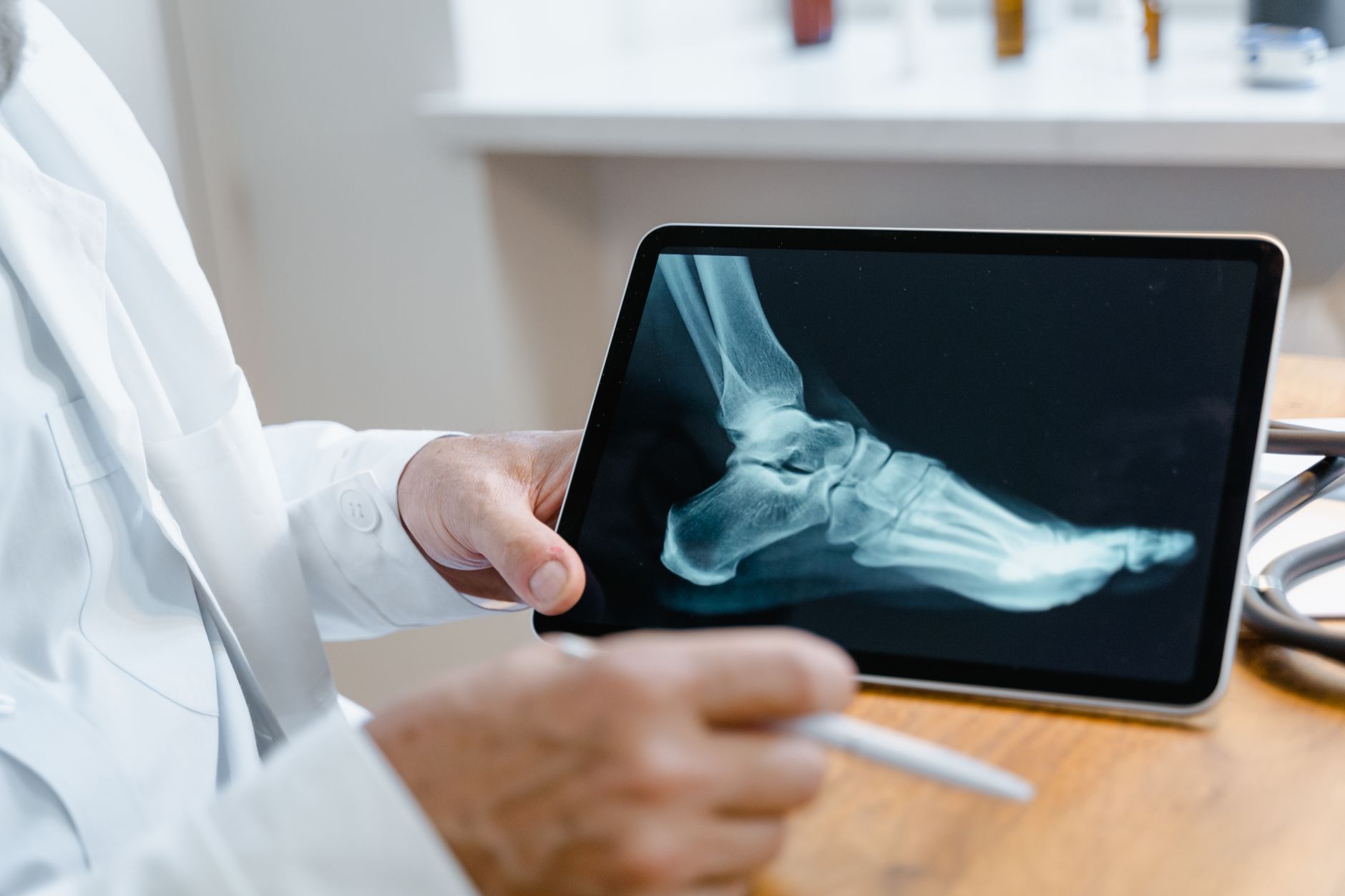
A large clinical trial has found that increasing bone density in patients with brittle bone disease, also known as osteogenesis imperfecta (OI), does not prevent fractures. The trial, which involved 350 adults with OI over eight years, discovered that patients who received treatments to boost their bone density experienced a similar number of fractures as those who received standard care.
The study, published in the Journal of the American Medical Association (JAMA), challenges the long-held belief that better bone density could help those with the condition. Instead, experts say treatment strategies should focus on improving bone quality.
Read Also: FDA Chief to Leave After Trump Intervention
Osteogenesis imperfecta is a rare genetic condition that affects around one in every 15,000 people, causing weak, fragile bones that can break with little or no trauma. It is caused by a defect in the production of collagen, a protein essential for bone structure.
For decades, treatment of the condition has focused on giving drugs that increase bone density, despite little evidence that this reduces fracture risk. The TOPaZ trial, led by Professor Stuart Ralston from the University of Edinburgh’s Institute of Genetics and Cancer, aimed to investigate the effectiveness of this approach.
Half of the patients in the trial received drug treatments designed to improve bone density, while the remaining half received standard care. The results showed that those on the drug treatment had significantly increased bone density compared to those receiving standard care.
However, this did not lead to a reduction in the total number of new fractures, or fractures in the spine. Within the trial, 37% of those who received bone density treatment experienced fractures, compared with 36% of those who received standard care.
Professor Ralston said, “The results of this study will fundamentally change clinical practice with regard to the treatment of osteogenesis imperfecta. We have been using drugs to increase bone density for decades in the hope that they might prevent fractures but the TOPaZ trial clearly shows that these medicines simply do not work.”
350 adults with OI participated in the trial, which was conducted over 8 years, from May 2017 to March 2025. The research team included scientists from 27 hospitals across the UK and Europe providing specialist care for patients with OI.
The findings could help to reshape treatment approaches for OI, moving towards therapies that strengthen bone quality to limit disease progression and improve outcomes for patients. Patricia Osborne, CEO of the Brittle Bone Society, said, “We are proud to have supported the TOPaZ trial. The results have given patients and clinicians clear evidence to guide treatment decisions and highlight the importance of OI-specific research.”
The study’s results indicate that therapies targeting bone quality, rather than density alone, are needed to effectively reduce fracture risk in this population. The TOPaZ trial sets a new benchmark for future research and will directly influence how future trials are designed and delivered.
In a room on the 3rd floor of the University of Edinburgh’s Institute of Genetics and Cancer, the research team pored over the data, analyzing the results of the trial. The study’s publication in JAMA marks a significant milestone in the search for effective treatments for osteogenesis imperfecta.
The research was published in the Journal of the American Medical Association (JAMA) under the title “Teriparatide Plus Zoledronic Acid for Osteogenesis Imperfecta: A Randomized Clinical Trial” (DOI: 10.1001/jama.2026.6889).
Treatment Shift Needed for Brittle Bone Disease
The TOPaZ trial’s findings have significant implications for the treatment of osteogenesis imperfecta. As experts weigh the results, they are calling for a shift in focus towards therapies that improve bone quality, rather than just increasing bone density.
Expert Insights
According to the report, the study’s results will fundamentally change clinical practice with regard to the treatment of osteogenesis imperfecta. The findings highlight the importance of OI-specific research and the need for new treatments that target the defects in bone collagen to improve the strength of bone and reduce fracture risk.
The Brittle Bone Society, which supported the TOPaZ trial, is urging patients and clinicians to take note of the study’s results. The society’s CEO, Patricia Osborne, emphasized the importance of clear evidence to guide treatment decisions and the need for continued research into effective treatments for osteogenesis imperfecta.
In the coming months, the research team will continue to analyze the data, looking for insights into the underlying mechanisms of osteogenesis imperfecta and potential new avenues for treatment. As the search for effective treatments continues, one thing is clear: a new approach is needed to tackle this rare but serious disease.
The University of Edinburgh’s Institute of Genetics and Cancer, where the research was conducted, is a leading center for the study of osteogenesis imperfecta. The institute’s scientists are working tirelessly to develop new treatments and improve outcomes for patients with the condition.




Leave a Reply