
Researchers have been working to reduce animal suffering in cancer research by developing fetal bovine serum-free cell culture models. For decades, human cancer cell lines have been used as models for cancer research, replacing a significant number of animal experiments. However, the use of fetal bovine serum (FBS) in their cultivation has been a point of concern.
The production of FBS involves animal suffering, as fetal blood is taken without sedation from pregnant cows entering the slaughterhouse. Additionally, FBS is a mixture of undefined and varying composition, which can impact the reproducibility of cell culture experiments.
Read Also: Obesity drugs cut food cravings in study
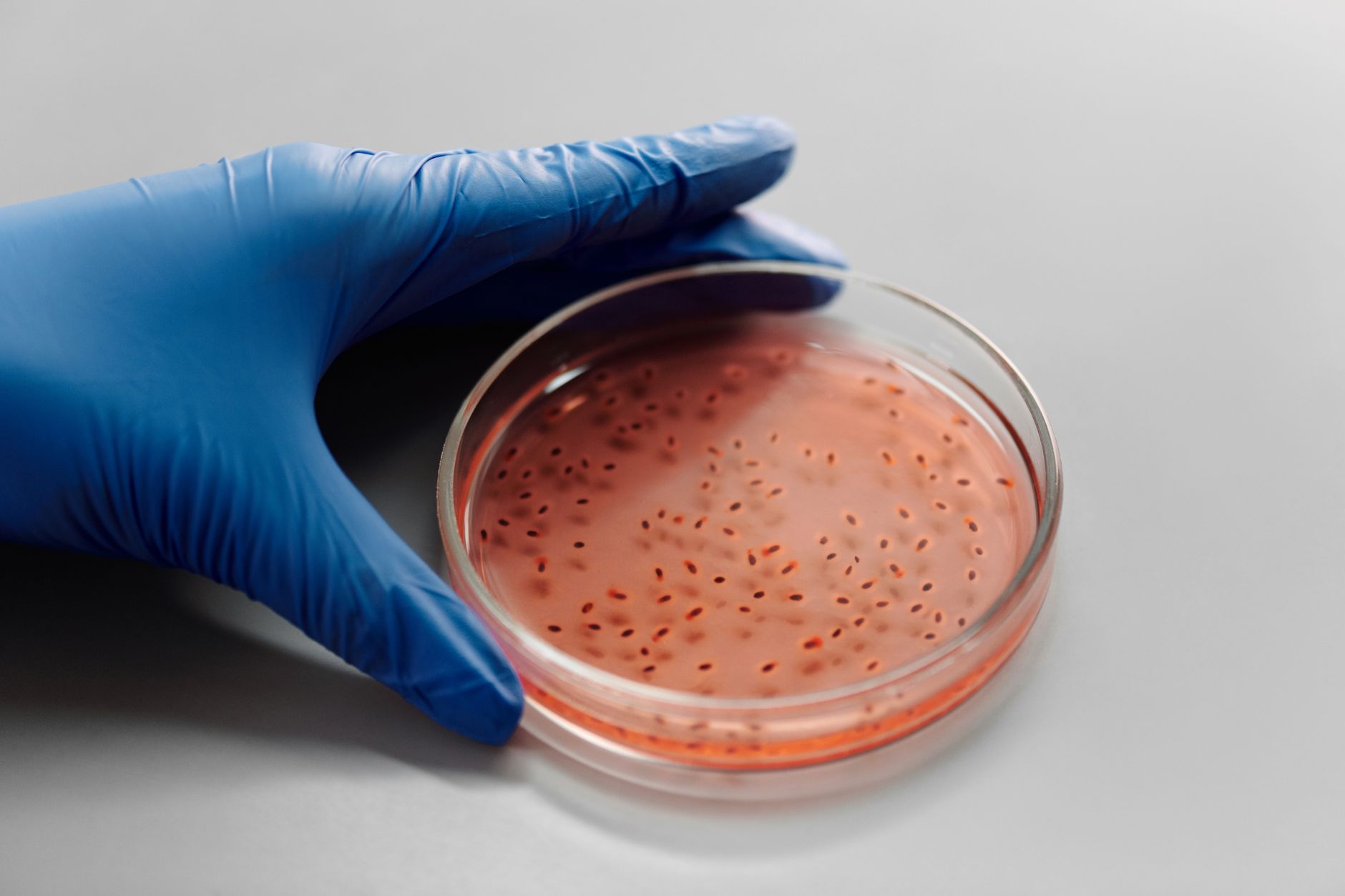
To address this issue, the working group Tumor Biology at the DSMZ—German Collection of Microorganisms and Cell Cultures GmbH, has adapted four widely used human cancer cell lines (HELA, HL-60, K-562, JIMT-1) to different animal-component-free media. The team successfully applied human platelet lysate as well as entirely chemically defined media to replace FBS.
Through macroscopic and molecular characterization, the researchers demonstrated that the characteristic cancer-relevant features were maintained in the FBS-free cultures. This means that cell lines cultivated in alternative culture media are equally suitable for research as FBS-containing cultures.
Reducing Animal Suffering in Cancer Research
The study’s findings, published in the journal ALTEX – Alternatives to Animal Experimentation, have significant implications for the field of cancer research. By offering access to adapted and characterized cancer cell lines, the DSMZ is promoting the transition towards FBS-free cell culture.
According to Dr. Sonja Eberth, head of the Tumor Biology working group, “individual working groups do not need to invest time and money for the adaptation and characterization of cancer cell lines to FBS-free media. As the cell lines we have adapted and their molecular data are now readily available, it is possible to make a data-driven decision regarding the suitability of an FBS-free culture for a specific research project.”
The first cell line in this series, the leukemia cell line HL-60, has been adapted to a completely chemically defined medium. This development is expected to support reduced animal use and improved reproducibility in cancer research.
In a typical laboratory setting, such as room 304 at the DSMZ, researchers can now access these adapted cell lines and make informed decisions about their suitability for specific research projects. The DSMZ is the first cell line bank to offer access to these adapted and characterized cancer cell lines to the international scientific community.
- HELA, HL-60, K-562, and JIMT-1 cell lines were adapted to animal-component-free media.
- Human platelet lysate and chemically defined formulations were used to replace FBS.
- The adapted cell lines maintained key cancer-relevant features and are suitable for research.
The transition to FBS-free cell culture is not without its challenges, as alternative media are not universally applicable and their suitability must be tested for each individual cell line. However, the benefits of reduced animal suffering and improved reproducibility make this a significant step forward for cancer research.
On a typical day, around 10:00 AM, researchers at the DSMZ can be found working on various projects, including the development of FBS-free cell culture models. The lab is equipped with state-of-the-art equipment, and the team is dedicated to promoting the use of alternative methods in cancer research.
Future Directions
The development of FBS-free cell culture models is an important step towards reducing animal suffering in cancer research. As the field continues to evolve, it is likely that we will see increased adoption of these alternative methods, leading to improved reproducibility and reduced animal use.
In the meantime, researchers can access the adapted and characterized cancer cell lines through the DSMZ catalog, supporting the transition towards FBS-free cell culture and promoting a more sustainable and humane approach to cancer research.


Leave a Reply