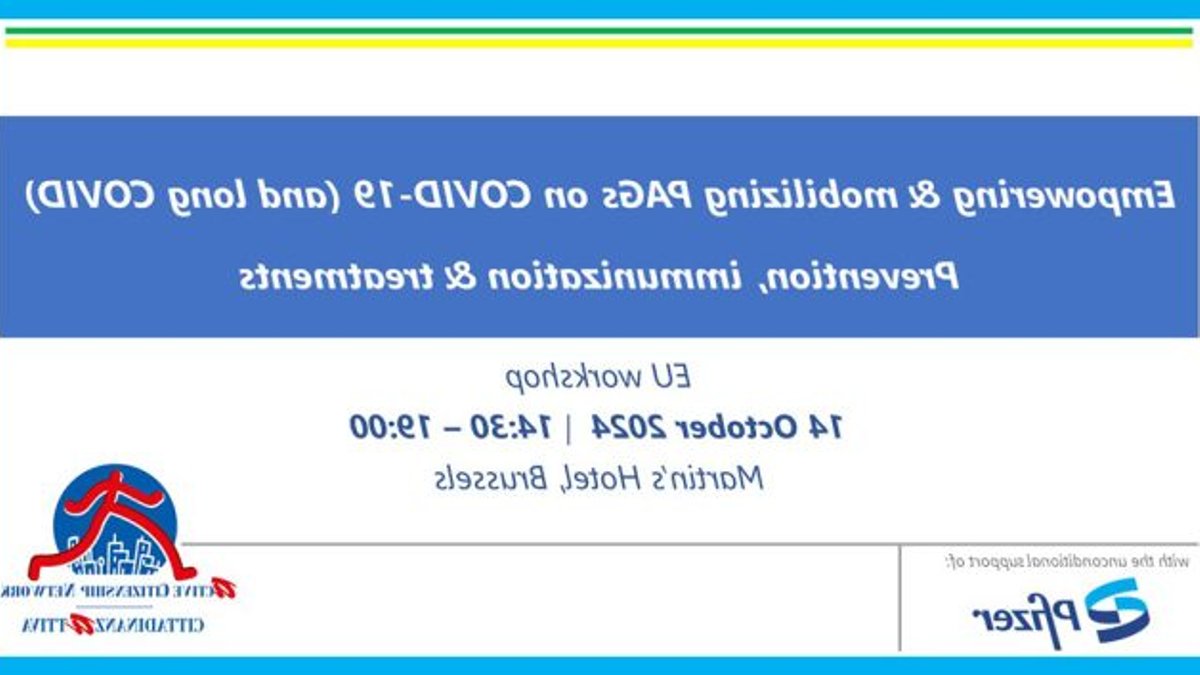
Health Europa will serve as a media partner for the “Empowering & Mobilizing PAGs on COVID‑19” event, scheduled for October 14 in Brussels.
Event aims to unite patient leaders
The gathering, organized by the Active Citizenship Network, targets leaders of civic and patient associations. Attendance is invitation‑only, and independent experts are slated to discuss prevention, vaccination policies, and service‑delivery models. The agenda builds on work done in 2023 and aligns with national and EU strategies to confront COVID‑19 challenges.
COVID‑19’s lingering impact in Europe
Across the WHO European Region, the pandemic has produced economic, health, and social strain, affecting hundreds of millions. Although the acute phase has receded, health systems still feel the pressure. Workers report high burnout and ongoing COVID‑related illness, contributing to staff shortages that lengthen patient waiting times.
Beyond immediate care, the need to manage post‑COVID conditions has become a priority. According to the World Health Organization, Post COVID‑19 Condition (PCC) — also known as long COVID — is defined as new or continuing symptoms three months after infection that last at least two months without another explanation. Over 200 symptoms have been documented, with fatigue, shortness of breath, and cognitive dysfunction among the most common.
Estimates suggest 10‑20 % of infected individuals experience lingering effects, though exact numbers remain unclear. A recent WHO study of service‑delivery models in selected European countries highlighted diverse care pathways and identified gaps that could be addressed to improve long‑COVID patient management.
Related: Medical Cold Chain Protects Supplies During Natural Disasters
Why patient groups matter
Patient and civic associations are expected to play a larger role in disseminating accurate information and supporting vaccination efforts. The event’s focus on empowering these groups reflects a broader commitment to involve them in ongoing pandemic response, especially as new variants such as KP.3 emerge.
One practical implication is that better‑informed associations can help direct patients to appropriate services, easing the burden on overstretched health facilities. By encouraging collaboration between experts and advocacy groups, the initiative hopes to streamline referrals and reduce waiting times.
From a practical standpoint, the involvement of patient groups could translate into more timely access to care for those suffering from long COVID, as they often serve as trusted intermediaries in their communities.
The Brussels event highlights the continued relevance of prevention, immunisation, and treatment one year after the pandemic’s acute phase ended. Ongoing vaccination policies remain essential to protect vulnerable populations and limit the spread of new variants. The collaboration between Health Europa and the Active Citizenship Network signals a sustained effort to equip civic and patient organisations with the tools needed to address the pandemic’s long‑term health impacts.





Leave a Reply