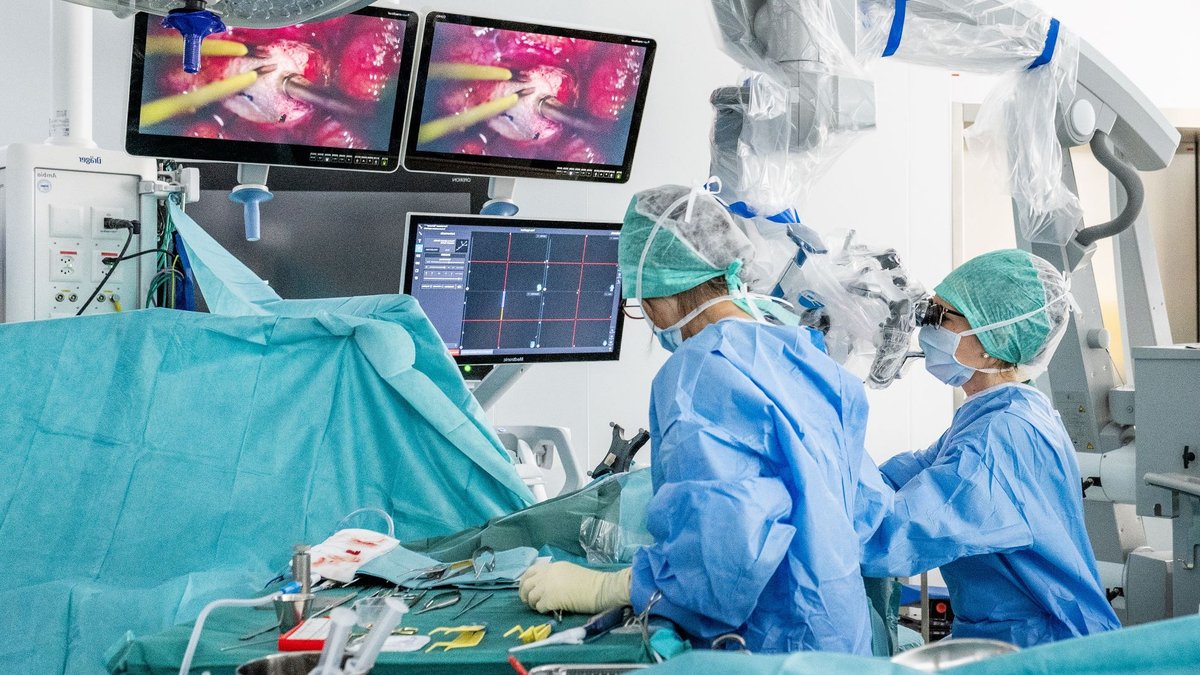
University Children’s Hospital Zurich has established itself as a leading medical centre for paediatric epilepsy surgery, providing care to families from across Europe and the Middle East. The facility operates as Switzerland’s largest children’s hospital, offering specialised services for conditions that do not respond to standard medication. According to the hospital, its epilepsy programme is the largest in Switzerland and ranks among the largest in Europe. The treatment environment is designed around safety and recovery, with a focus on keeping families close during a stressful time.
Modern care for epilepsy has moved beyond simply managing seizures to identifying the specific brain abnormalities causing them. The hospital notes that for children with focal structural epilepsy, surgery can offer sustained seizure freedom. This approach often allows patients to reduce their antiseizure medication burden and supports better development, learning, and behaviour. Early referral is critical, especially for infants, as experts suggest that children who continue to have seizures despite two appropriate medications may benefit from expert presurgical evaluation without delay.
The diagnostic process involves a wide range of tests. Staff provide high-resolution epilepsy MRI, long-term video-EEG monitoring, and advanced EEG analysis. Functional imaging and PET scans are also available. Neuropsychological and developmental assessments help map the cognitive effects of the condition. If non-invasive tests are not enough, the hospital offers invasive monitoring using stereoelectroencephalography (SEEG). This technique uses an individually tailored strategy to pinpoint the seizure onset zone while attempting to preserve critical functions like language, motor skills, and vision.
Related: London Hospital Leads World in Neuroscience Innovation
The team treats a broad spectrum of structural brain disorders, including focal cortical dysplasia, low-grade tumours, and Sturge-Weber syndrome. They also handle genetic conditions such as tuberous sclerosis complex and Rasmussen encephalitis. The range of surgical options covers focal resections, hemispherotomy, corpus callosotomy, and minimally invasive approaches like laser ablation. Every recommendation is personalised and discussed with parents in clear language. The goal is not just seizure control, but to support the child’s cognitive development and family life.
Support for international families
Medical teams at the centre include paediatric epileptologists, neuropsychologists, neuroradiologists, neurosurgeons, and intensive care specialists. The International Office assists families with the logistical challenges of travelling for treatment. This support includes reviewing medical documents, arranging appointments, providing cost estimates, and helping with visa and travel questions. The office also offers Arabic translation services to bridge communication gaps. Structured reports are provided to referring physicians at home to ensure continuity of care.
For families seeking a second opinion, the hospital provides an experienced team and advanced technology in a specialised environment. The centre welcomes patients from the Middle East and other regions, handling everything from initial contact through to follow-up care. This support system helps reduce the administrative burden on families so they can focus on the child’s treatment. The hospital notes that referral for presurgical evaluation does not mean surgery is inevitable; it means the child’s epilepsy is analysed in depth to identify the safest treatment pathway.
Related: Gut Check Reveals Truth About Cleanses, Parasites, Health
The hospital’s approach to paediatric epilepsy surgery reflects a shift toward precision medicine. By combining advanced diagnostics with surgical expertise, the team aims to improve outcomes for children who might otherwise face lifelong medication and uncontrolled seizures. The facility provides a specialised hub where families can access a full spectrum of care under one roof. This structure allows for a coordinated effort between specialists, ensuring that every aspect of the child’s health is considered in the treatment plan.
Families interested in seeking a specialist assessment can send medical documents and imaging files to [email protected] or call +41 44 249 28 28. The hospital states that patients will receive a specialist assessment and a transparent overview of costs. An experienced team will welcome patients on site, plan their treatment individually, and support them throughout their stay.



Leave a Reply