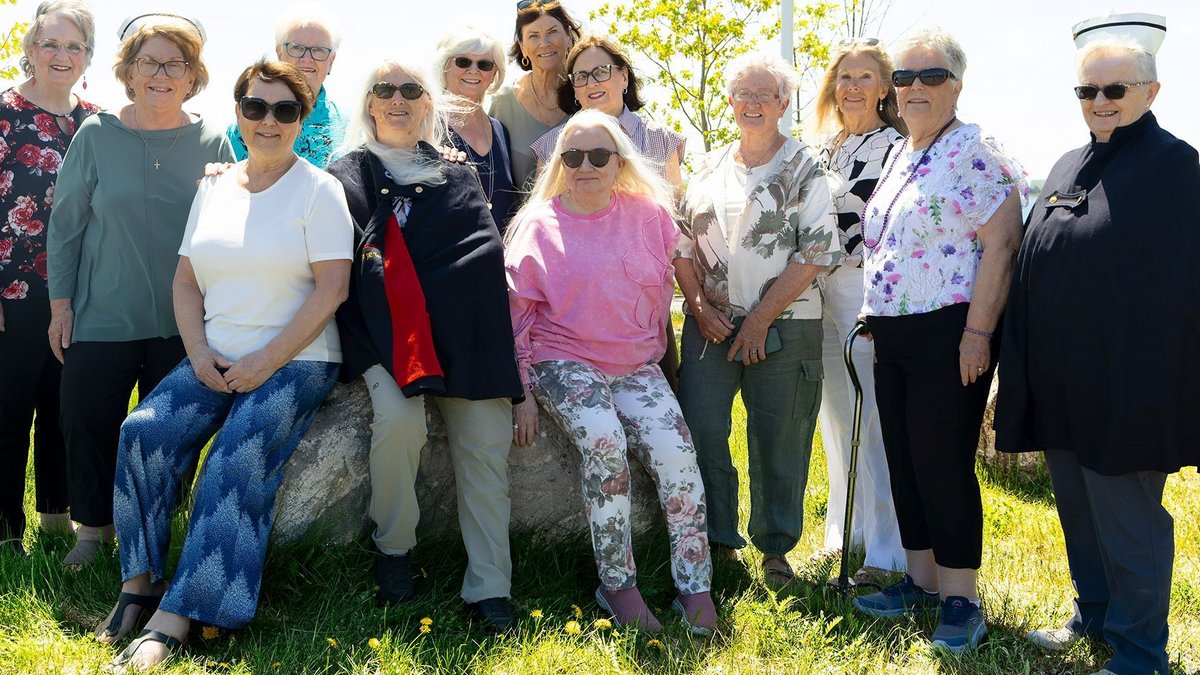
Veteran nurses who graduated from Ontario’s hospital‑based diploma schools of nursing in the late 1960s recall an education that was demanding, hands‑on and deeply collaborative.
Rigorous training and diverse clinical exposure
Barb Agonis, a 1968 graduate, described the curriculum as “intense training with accountability, critical thinking to make sound grounded decisions, to question and double check, acknowledge your mistakes, learn from them.” The program combined classroom lectures with two‑month rotations at facilities such as Sick Kids in Toronto, North Bay Psychiatric Hospital and St. Margaret’s Cancer Centre. Those placements gave students a broad view of pediatric, psychiatric and oncology care, and required full‑time shifts on all hospital wards.
Students also faced a steep learning curve in nursing theory, where they studied foundational concepts and ethical principles that guided care in complex circumstances. The schedule was relentless; many worked the night shift while still attending lectures, and the residential aspect meant they lived together, forging friendships that would last for decades.
Related: Summer heat increases UTI risk for women
“We did two months on the wards there gaining a wider view of each of those specialties,” Agonis wrote in an email, emphasizing how the varied clinical sites were essential to their professional formation.
Changing materials and the rise of disposables
Agonis noted a striking contrast between the equipment of her training era and today’s hospitals. “When we trained, and for many years after, most supplies were made of glass. Intravenous bottles, glass syringes, chest tube and TUR bottles were glass,” she said. Operating‑room gowns, masks and dressing trays were cloth, not paper, and stainless‑steel instruments were the norm. Hospitals maintained on‑site kitchens, laundry and central sterile rooms, allowing them to clean and sterilize reusable items.
The shift to disposable plastic supplies, she observed, likely stemmed from economic pressures and the desire to save time, but it also contributed to a “throw away society” that generates far more waste than the era she entered. While modern hospitals still require expensive equipment that must be maintained by trained staff, the overall reliance on single‑use items has altered both cost structures and environmental impact.
Related: How Does Extreme Heat Affect People with Diabetes?
These reflections show how the evolution of nursing education—from hospital diploma programs to college‑based bachelor degrees—mirrored broader changes in health‑care delivery, patient complexity and professional accountability.
When the Ontario government mandated the transition of hospital‑based diploma schools to colleges of applied arts and technology in 1973, the responsibility for nursing education shifted to the Ministry of Colleges and Universities. By the late 1990s, most provinces required a four‑year Bachelor of Science in Nursing for entry into practice, reflecting the need for higher academic preparation amid advancing medical technology.
Similar transitions occurred elsewhere in Canada during the same period. Provinces such as British Columbia and Alberta also restructured their curricula in the early 1970s, driven by comparable pressures to standardize qualifications and respond to emerging health‑care complexities.
Related: Living with mastocytosis poses daily challenges
Alumni also spoke about the lasting bonds formed during their three‑year residency. Janice Watson Love wrote, “It is wonderful that 55 years later we still have such a strong friendship. When we meet every few years, we carry on our conversations like there has been no time interruption.” The reunion, held to mark the 55th anniversary of the Plummer school, featured stories of shared hardships, laughter and the occasional missed concert—one graduate recalled turning down a trip that later turned out to be Woodstock, calling it “a missed opportunity or a blessing in disguise.”
When asked if they would choose nursing again, the consensus was unequivocal. Arlene Kent‑Wilkinson answered, “Yes, we all said that we would.” Her sentiment reflected a generation that saw nursing not just as a career but as a lifelong vocation that provided diverse opportunities, from bedside care to academic appointments such as her current role as a professor at the College of Nursing, University of Saskatchewan.
Overall, the testimonies from these veteran nurses illustrate a profession that has adapted to technological and educational reforms while retaining a core commitment to patient‑centered care.




Leave a Reply