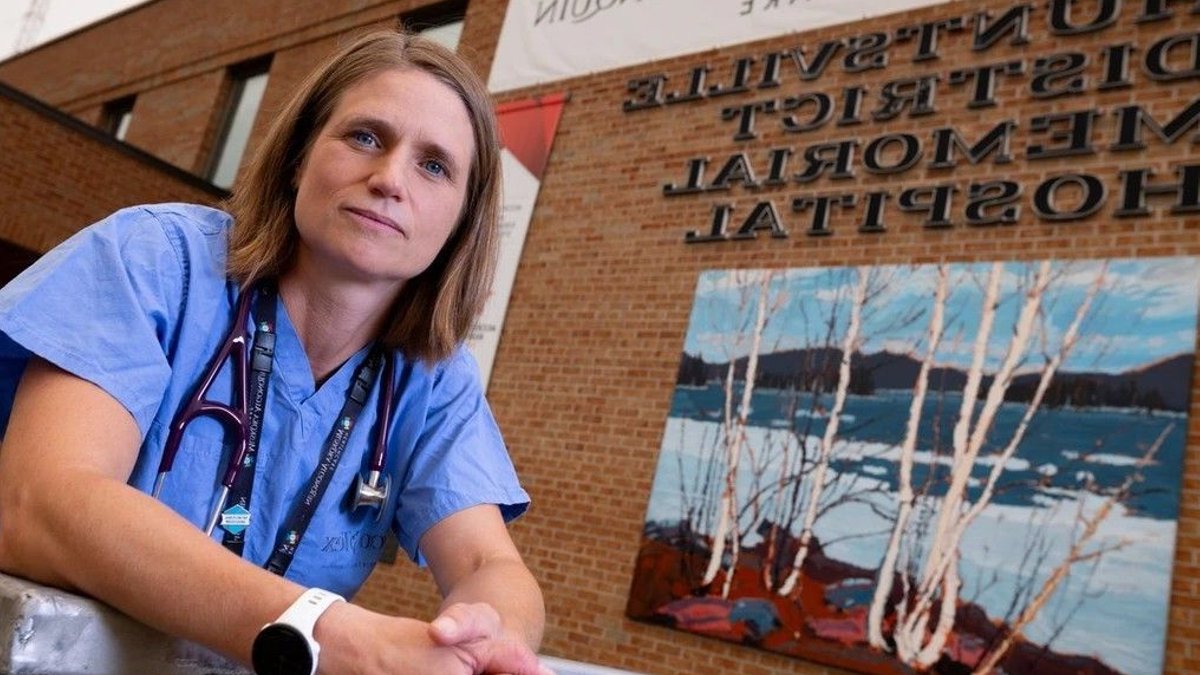
Mental health care in rural Ontario is often a far cry from what patients need. Muskoka Algonquin Healthcare’s two hospitals, for example, are not equipped to handle the hundreds of people who come to them every year in need of mental health care.
About 99 per cent of psychiatric admissions at these hospitals in 2024-25 were involuntary, with 291 out of 295 patients being admitted against their will.
This trend is not unique to Muskoka Algonquin Healthcare. Many of Ontario’s smaller or rural hospitals face similar challenges, with high rates of involuntary psychiatric admissions.
In Parry Sound, for instance, 98 per cent of psychiatric admissions were involuntary, while in Espanola, a similar percentage were admitted against their will.
Related: Jennifer Aniston Shares Her Summer Workout
These rates are far above the Ontario average of 68.5 per cent for all involuntary psychiatric admissions in 2024-25, according to data provided by the Canadian Institute for Health Information.
The data suggests that the kind of mental health care patients receive in Ontario depends on where they live. Hospitals not designated to provide mental health care are still receiving patients, but often lack the resources to cope. Dr. Kirsten Jewell notes that patients may be forced to wait in a locked room for days before being transferred to a facility equipped to provide proper care.
Having a kid, or anybody, wait in that room just for admission to see a psychiatrist for two, three days is terrible, Dr. Jewell said. It makes the patient not want to come back if they are in crisis again.
In many areas of Ontario, patients with worsening mental illness may not be able to see a specialist in the community for weeks or months. This can lead to doctors at small hospitals feeling it is unsafe to discharge patients, resulting in involuntary admissions.
Related: Tuna Steaks Dive into Sardinia’s Beloved Tomato Sauce
Jim Hanna, a spokesperson for West Parry Sound Health Centre, said the health centre is not a psychiatric services provider, and patients admitted come to them in crisis before they can be safely admitted to a better-suited hospital.
Dr. David Gratzer, psychiatrist-in-chief at Sinai Health, notes that mental health emergencies can often be a failure of the system, and highlights the disparity in care between rural and urban areas.
Dr. Jewell wants to set up virtual consults with psychiatrists farther afield who may be able to provide better perspective on what a patient needs. Connecting patients to other, better-resourced facilities may mean “admission avoidance,” said Stephanie Crampton, the hospital corporation’s interim director of outpatient services. This could help reduce the number of involuntary admissions.
Patients in rural Ontario are often forced to rely on hospitals that are not equipped to provide the mental health care they need, leading to high rates of involuntary admissions.





Leave a Reply