A UNICEF survey reveals that 83.2% of Malaysian youth faced climate disasters in the past year, with 94.3% expressing concern over climate change. The study, titled “Nurture the Youth, Create the Change”, surveyed 1,420 individuals aged 15 to 30 between June and October 2025.
Among those affected, 97.4% reported emotional distress, including fear, grief, and stress. The findings highlight the urgent need for stronger climate adaptation measures and youth involvement in policy decisions.
Climate Disasters Disrupt Education Across Southeast Asia
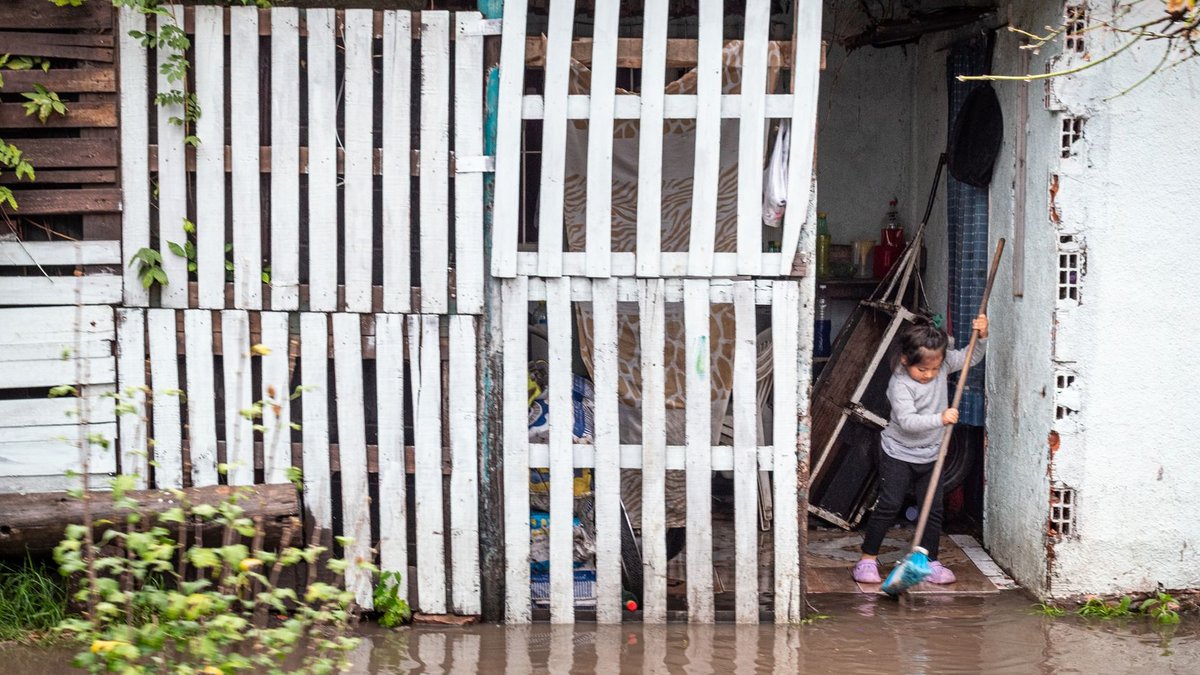
The impact of climate-related events extends beyond Malaysia. In Southeast Asia, over 4.1 million children in Indonesia, Vietnam, Thailand, the Philippines, and Malaysia experienced education disruptions due to floods, typhoons, and storms since late November 2025.
Vietnam faced the most significant impact, with approximately 3 million students affected, followed by the Philippines with 919,000 children. These disruptions affect not only education but also access to safe water, health services, and general well-being.
The survey outlines three key areas for action: protecting children through robust health and safety systems, ensuring access to education and emergency services during climate-related disruptions, and involving young people in climate planning.
As families work to recover from repeated disasters, the need for resilient infrastructure, such as water systems and schools, becomes increasingly important. Early warning systems and greater investment in climate adaptation are essential to protect children’s future.
These findings will contribute to Malaysia’s National Adaptation Plan and policies on health, education, and social protection. However, the challenge is region-wide, requiring collaborative efforts to address the growing climate risks faced by Southeast Asia’s youth.
Climate Disasters Impact Essential Services in Southeast Asia
Climate-related disasters in Southeast Asia have disrupted access to safe water, health, and nutrition services. Flooding in Indonesia damaged water systems, while in Vietnam, nearly 480,000 people lost access to safe water. Health and nutrition services have also been affected across several countries.
UNICEF emphasizes that humanitarian response alone is insufficient, calling for greater investment in climate adaptation and disaster risk reduction. Measures include resilient water systems, stronger schools and health facilities, and early warning systems to protect children before disasters occur.





Leave a Reply