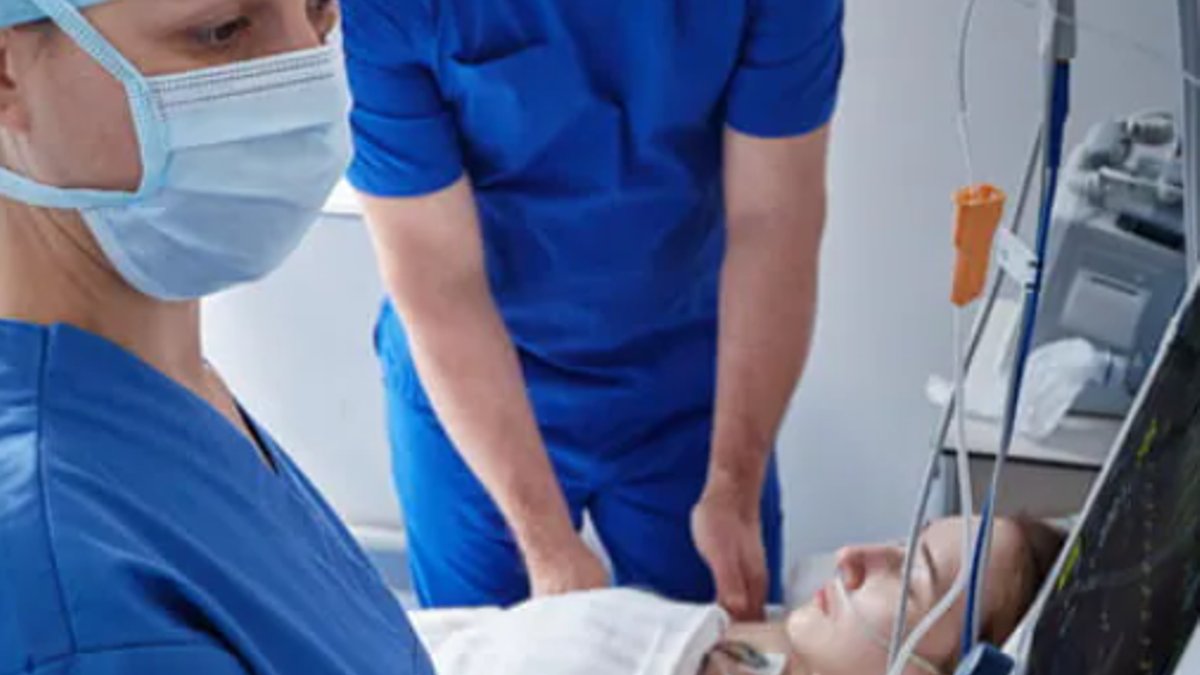
Healthcare is undergoing a significant transformation, shifting from episodic interactions to continuous monitoring. For decades, care has been built around doctor’s appointments, hospital stays, or procedures, with clinicians making decisions based on available information at the moment. However, with the expansion of healthcare beyond hospitals and clinics, providers need better visibility into patient conditions, device performance, and care environments.
Traditional healthcare relies on occasional check-ups, but many chronic illnesses develop between visits, highlighting the need for ongoing health tracking beyond doctor’s offices. With more older adults, higher chronic disease rates, and staffing shortages, providers must find ways to observe patient health outside routine consultations to address these challenges effectively.
Sensors at the Edge of Healthcare
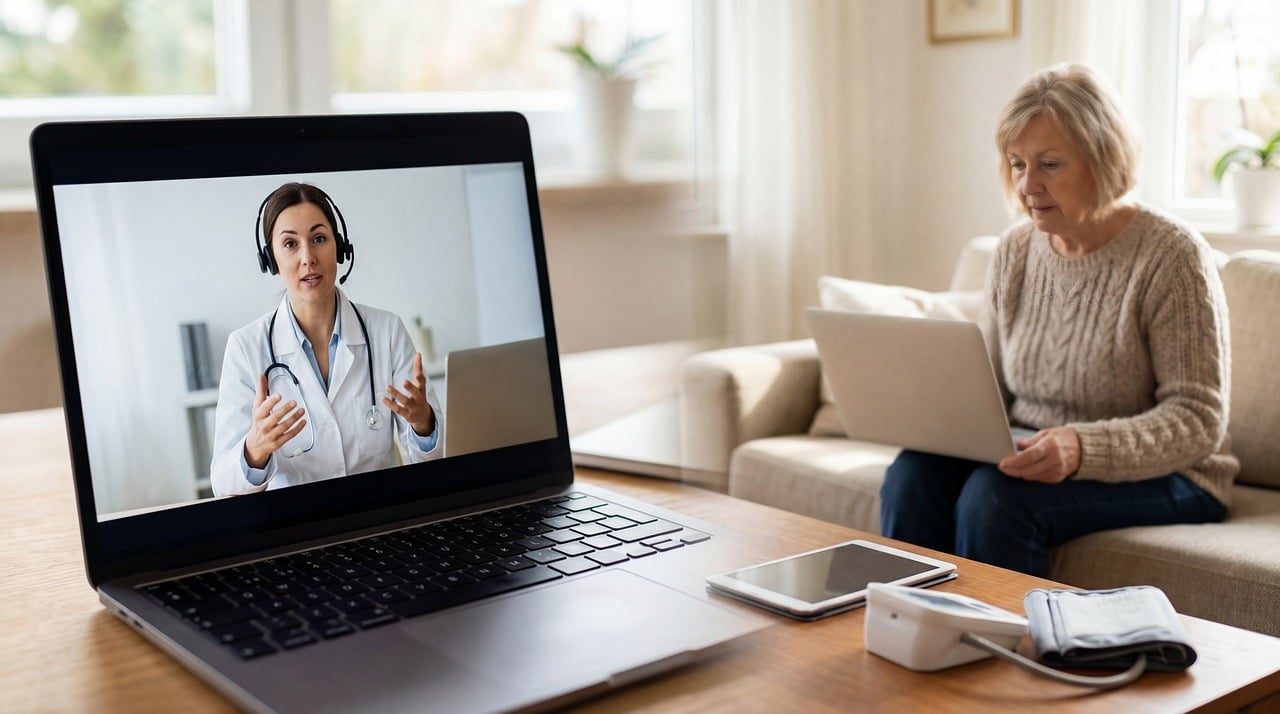
Edge sensors collect real-time data, allowing them to spot changes immediately and speed up medical decisions. Patients with heart issues, diabetes, or breathing problems benefit from remote tracking, giving doctors a fuller view of their condition between scheduled visits.
Continuous sensor data helps doctors detect small shifts over time, enabling earlier treatment and allowing device makers to create tools that sync with remote monitoring, patient records, and clinical decision systems. Devices now incorporate sensors to track pressure, motion, fluids, gases, and magnetic fields for remote care, rehab, infusions, and mobility support.
These innovations provide steady health updates, helping doctors make better decisions and letting patients know their care team stays engaged. Beyond ease, remote monitoring helps catch health issues sooner and reassures patients that their treatment remains on track.
Advancements in Sensor Technology
Sensors are playing a growing role in robotic-assisted surgery, with position, force, and motion sensing technologies providing critical feedback that helps support precise instrument control and procedural consistency. High-performance sensing technologies help robotic systems detect subtle changes in force and position during minimally invasive procedures, supporting more precise movements and quicker operating times.
By operating continuously in the background, sensors reduce the burden of manual checks and repetitive tasks, allowing healthcare professionals to focus on patient care and improving workflow efficiency. Sensors embedded in connected devices can help monitor movement patterns, mobility changes, and activity levels that may indicate increased risk, enabling caregivers and clinicians to take preventive action before a fall occurs.
Sensors can help track patient movement and mobility, support rehabilitation and recovery programs, and provide caregivers with greater visibility into changes that may signal an increased risk of falls or other health concerns. By enabling continuous monitoring outside clinical settings, sensor-enabled devices help clinicians stay connected to patients between visits and support timely intervention when appropriate, with sensor performance extending beyond measurement accuracy to consistently generate reliable data across a product’s lifecycle.
As connected medical devices become more sophisticated and prevalent, designing sensors that operate in demanding environments and integrate seamlessly into clinical workflows will remain essential for both product performance and regulatory compliance, with data integrity and trust mattering more than ever in the age of AI, as data from sensors feeds AI systems, and medical device manufacturers prioritize measurement accuracy, system integration, and data integrity to develop devices that support clinicians and improve patient outcomes.
Temperature-sensitive sensors ensure medications, vaccines, and biologics stay within safe ranges during storage and transport, protecting their effectiveness.
As medical devices become more connected, extending beyond traditional clinical settings, sensors are expected to play an increasingly important role in reliable data collection.



Leave a Reply