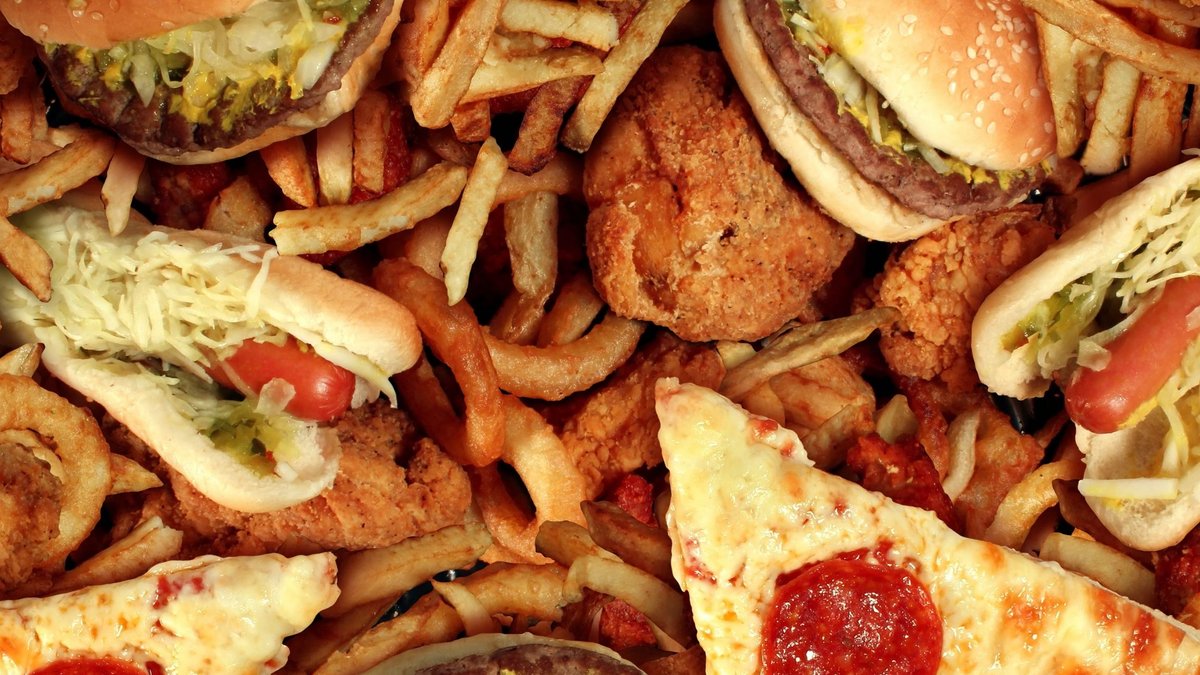
A study analyzing more than 8.8 million adults confirms that eating ultra-processed foods (UPFs) raises risks for multiple serious health conditions. The findings, published in Family Medicine and Community Health, show that even small increases in daily UPF consumption worsen outcomes for cardiovascular disease, cancer, obesity, and mental health.
Researchers tracked participants aged 23 to 77 over periods ranging from two to 32 years. Compared to those with the lowest UPF intake, those with the highest intake faced:
- A 24% higher risk of cardiovascular events.
- A 23% greater chance of obesity or overweight status.
- A 24% increased risk for metabolic syndrome or diabetes.
- A 27% higher likelihood of depression or anxiety.
- A 31% greater risk of digestive diseases.
- A 12% higher cancer risk.
- An 18% increased risk of all-cause mortality.
The study also found that each 100-gram daily increase in UPF consumption, roughly the weight of a standard candy bar, correlated with:
- A 14% higher risk of cardiovascular events.
- A 11% greater hypertension risk.
- A 4% higher cancer risk.
- A 3% increase in all-cause mortality.
UPFs, products like packaged snacks, candies, and ready-to-eat meals, now make up a large share of daily diets due to their cost, convenience, and high energy density. These foods often contain artificial sweeteners, high levels of sugar and salt, and little fiber, protein, or vitamins. The researchers suggest that replacing UPFs with minimally processed foods could be a more effective public health strategy than simply cutting back.
Lead researcher Xiao Liu, PhD, from Duke-NUS Medical School, noted that healthcare providers could integrate UPF reduction into routine patient counseling. The approach would focus on practical substitutions tailored to individual dietary habits and health profiles. For example, swapping processed chips for fresh vegetables or opting for whole-grain bread over white bread could mitigate risks without requiring drastic changes.





Leave a Reply