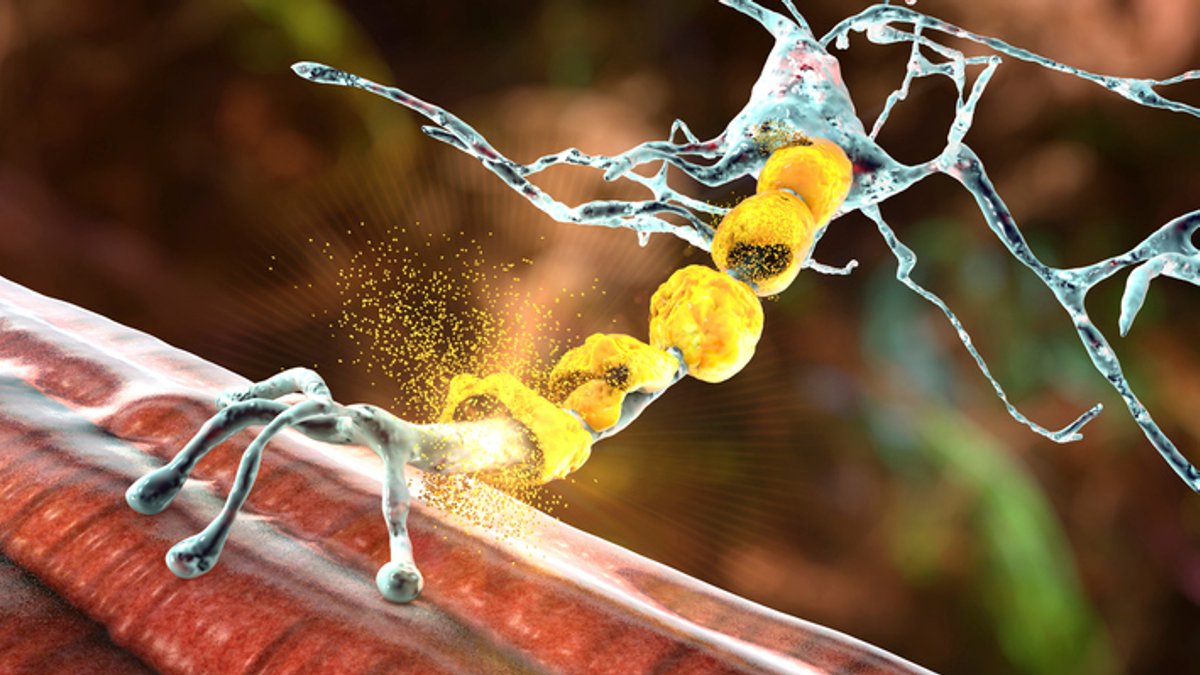
Researchers have found that an experimental drug derived from HIV medication may reverse paralysis and vision loss in multiple sclerosis (MS) patients. The drug, called Kamuvudine K-9, has shown promise in preclinical results published in Science Translational Medicine.
MS is an autoimmune disease that attacks the myelin coating surrounding nerve fibers, disrupting communication between the brain and the rest of the body. Current treatments primarily focus on suppressing inflammation, but they cannot restore lost neurological function.
The investigational medication K-9 shows potential in safeguarding nerve fibers and their myelin sheath, offering hope for neurological recovery. According to Jayakrishna Ambati, MD, who heads UVA’s Center for Advanced Vision Science, K-9’s ability to not only halt neurological decline but also restore lost function in animals is truly remarkable.
K-9 originates from a group of HIV drugs called nucleoside/nucleotide reverse transcriptase inhibitors (NRTIs). Ambati’s research group discovered that NRTIs can suppress the inflammasome, a pathway linked to various diseases, leading to the development of K-9 as a targeted treatment.
Animal studies indicate that K-9 may lessen neurological harm and aid in functional recovery. Additionally, the treatment stopped the rise in neurofilament light chain (NfL) levels, a biomarker in the blood that indicates nerve damage.
A review of health insurance records from over three million individuals revealed that NRTI users had a 41% reduced risk of developing MS, and MS patients on these drugs experienced a 36% lower annual relapse rate. These observations require confirmation through clinical trials to establish K-9’s safety and efficacy for MS treatment.
K-9 is currently in clinical trials for eye disorders, and the research team aims to explore its potential in amyotrophic lateral sclerosis (ALS) and other neurological conditions involving inflammation and nerve damage. Ambati highlights the growing recognition of inflammasome inhibition as a key therapeutic approach for multiple inflammatory diseases, suggesting K-9’s potential benefits in conditions like Alzheimer’s and Parkinson’s.
Ambati’s team will continue to study K-9, and they are hopeful that it will become a valuable treatment option for patients with MS and other neurological diseases. The fact that K-9 has shown promise in preclinical results is a significant step forward in the search for effective treatments for these diseases.





Leave a Reply