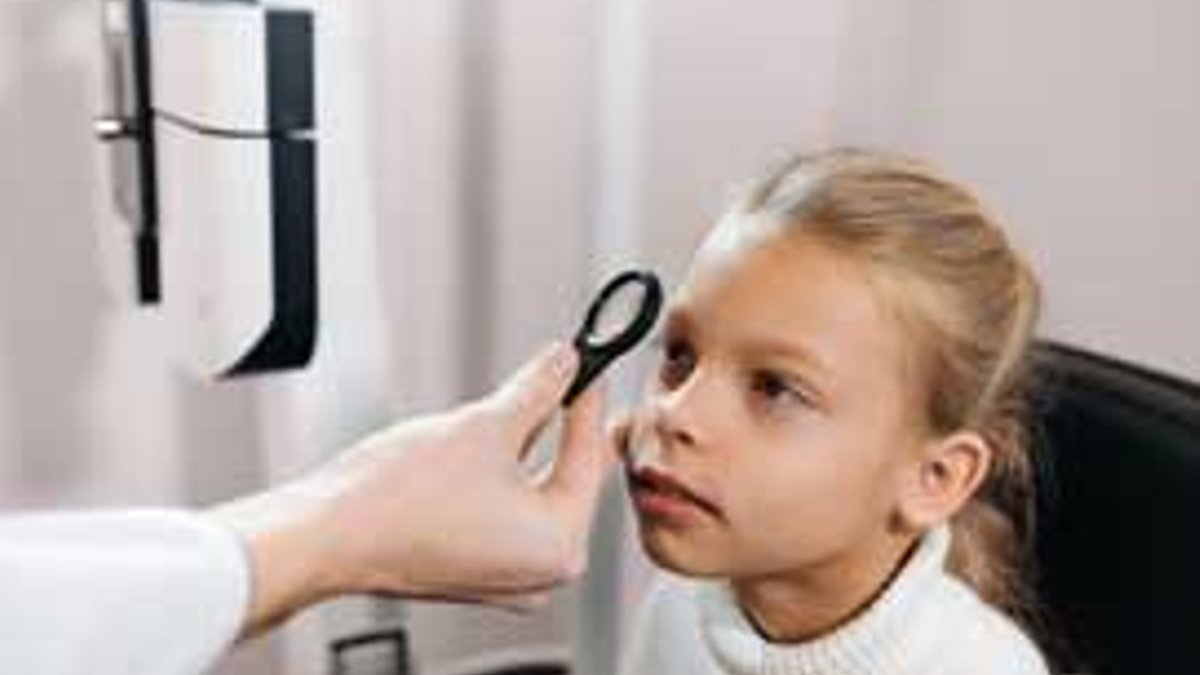
A squint can signal underlying eye conditions that develop gradually, often starting with subtle signs overlooked by parents and teachers. According to Dr. Fazilawati Binti A. Qamarruddin, a Consultant Ophthalmologist at Sunway Medical Centre, squinting, or strabismus, and cataracts are two prevalent eye issues affecting Malaysians across age groups.
The Warning Signs of Squinting
A squint occurs when the eyes are misaligned, pointing in different directions. One eye may appear straight while the other turns inward, outward, upward, or downward. Though commonly linked to childhood, this condition can emerge at any age and impact vision, depth perception, learning, and self-confidence.
According to Dr. Fazilawati, uncorrected refractive errors often cause squints, though nerve disorders, neurological issues, trauma, or tumors can also contribute. In adults, a squint may persist from childhood or develop suddenly. Immediate attention is needed for cases with double vision to rule out serious conditions.
Studies estimate 2-4% of children globally have strabismus. In Malaysia, many remain undiagnosed until school performance or social interactions are affected. Severe long-sightedness in children may lead to inward-turning eyes due to focusing effort. Glasses can correct this in many cases, but new squints require prompt investigation for potential tumors.
The Risk of Amblyopia
Untreated squinting risks amblyopia, or lazy eye. When one eye provides clearer vision, the brain favors it, causing the weaker eye to lose function over time. Early screening is critical; Dr. Fazilawati recommends vision checks by age three and before primary school entry.
Malaysian studies show refractive errors are common and easily corrected with glasses when detected early. Parents should watch for frequent squinting, head tilting, sitting too close to screens, or recurring headaches. Early intervention can prevent lifelong visual impairment.
Cataracts and Vision Loss in Adulthood
Cataracts, causing clouding of the eye’s lens, are a leading cause of vision loss in older adults. Symptoms include blurred vision, glare, faded colors, and night driving difficulties. While typically developing after age 60, they can appear earlier in people with diabetes, smoking habits, or excessive sun exposure.
In Malaysia, cataracts, diabetic retinopathy, and glaucoma top adult blindness causes. Many patients seek treatment only after significant vision loss. Regular eye exams can update prescriptions and delay surgery, preserving sight.
Modern Advances in Treatment
Modern cataract surgery uses phacoemulsification, an ultrasound technique through a small incision. Dr. Fazilawati notes this allows faster healing, with many procedures performed as day surgery. Light activities resume within a week, and full recovery takes about two weeks.
Lifestyle factors like smoking, uncontrolled diabetes, and UV exposure increase cataract risks. Screen use among children and teens is also concerning, linked to worsening myopia. Extended screen time has been linked to worsening short-sightedness.
Regular eye exams are essential as many conditions progress slowly. Dr. Fazilawati recommends a full eye examination by age 40, while children should undergo screening before starting school. People with diabetes should have annual eye checks because diabetic retinopathy can advance quickly but remains treatable when detected early. Early diagnosis can preserve vision, improve learning outcomes, and maintain independence. Waiting for symptoms to worsen may mean missing the chance for simpler and more effective treatment.





Leave a Reply