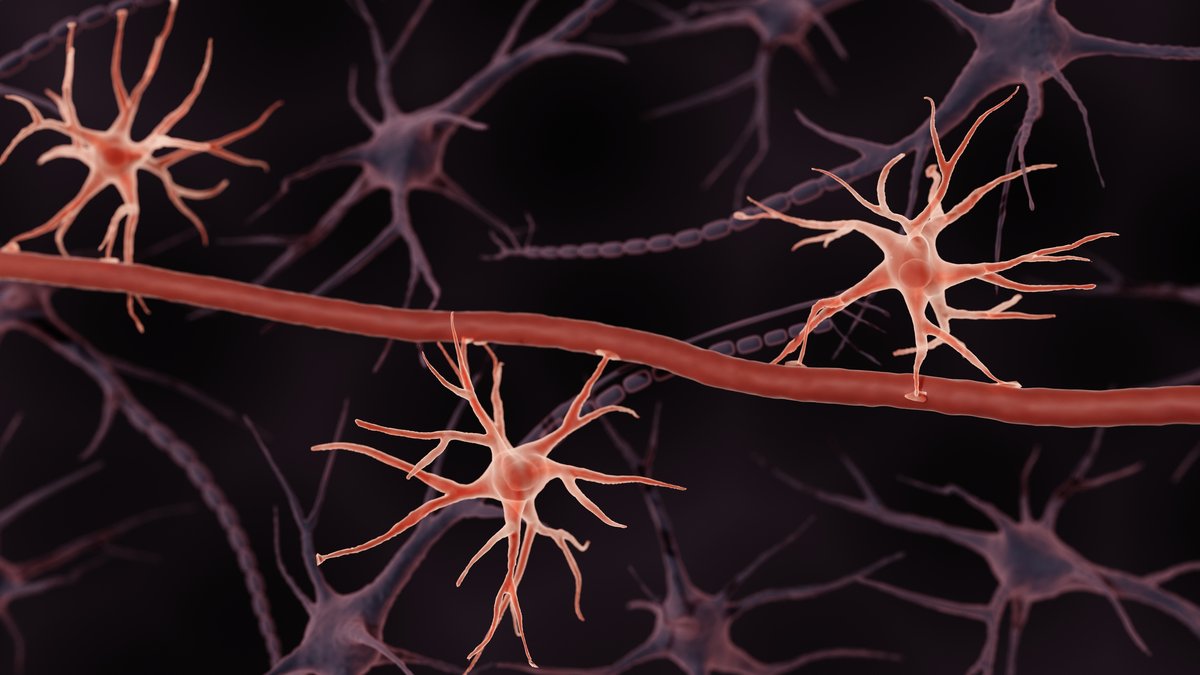
Researchers at the University of California Berkeley have identified a key mechanism behind tuberous sclerosis complex (TSC), a genetic disorder causing childhood epilepsy. Their study, published in Nature, points to hyperreactive astrocytes as a primary driver of brain inflammation leading to seizures.
TSC is marked by cortical tubers, potato-shaped lesions in the brain that trigger severe, often drug-resistant seizures. The disorder also affects the heart, skin, and kidneys. These tubers stem from “second-hit” mutations in the TSC1 or TSC2 genes, where a second random mutation inactivates the remaining functional allele in neural progenitor cells.
The exact link between these mutations and brain lesions was previously unclear. Earlier assumptions focused on neurons as the primary cause of seizures. To investigate, the team, led by Helen Bateup, employed single-cell transcriptomics and cyclic immunostaining on human brain organoids and patient-resected tissue.
They discovered that the loss of the TSC2 protein causes neural progenitor cells to develop into enlarged, pro-inflammatory astrocytes. These cells exhibit distinct molecular and structural changes, including increased secretion of inflammatory cytokines and heightened activity of genes associated with neurodegenerative diseases, such as APOE and CLU.
The findings suggest that abnormal astrocytes and other glial cells are not merely a consequence of seizures but may actively cause the lesions. Bateup noted, “As soon as these astrocytes are born, they are reactive and look like they’ve been triggered into a disease state.” This challenges the idea that neurons alone drive seizure activity, indicating glial cells could play a primary or contributory role.
If validated, this mechanism could enable the use of existing immunosuppressant drugs to target reactive cells, potentially reducing inflammation and alleviating seizures. Bateup stated, “If it’s really glia-driven and there’s all these angry cells causing problems, how much can we fix by just suppressing that? Can you calm down the glia and ideally bring them back to a homeostatic state, or if that’s not possible, just shut off their ability to cause damage to the surrounding cells? I think that’s feasible.”
This shift in understanding TSC’s pathophysiology may lead to new therapeutic strategies, offering hope for better management of this debilitating disorder. The study highlights the potential of targeting glial cells to address the root causes of seizures, rather than solely managing symptoms.



Leave a Reply