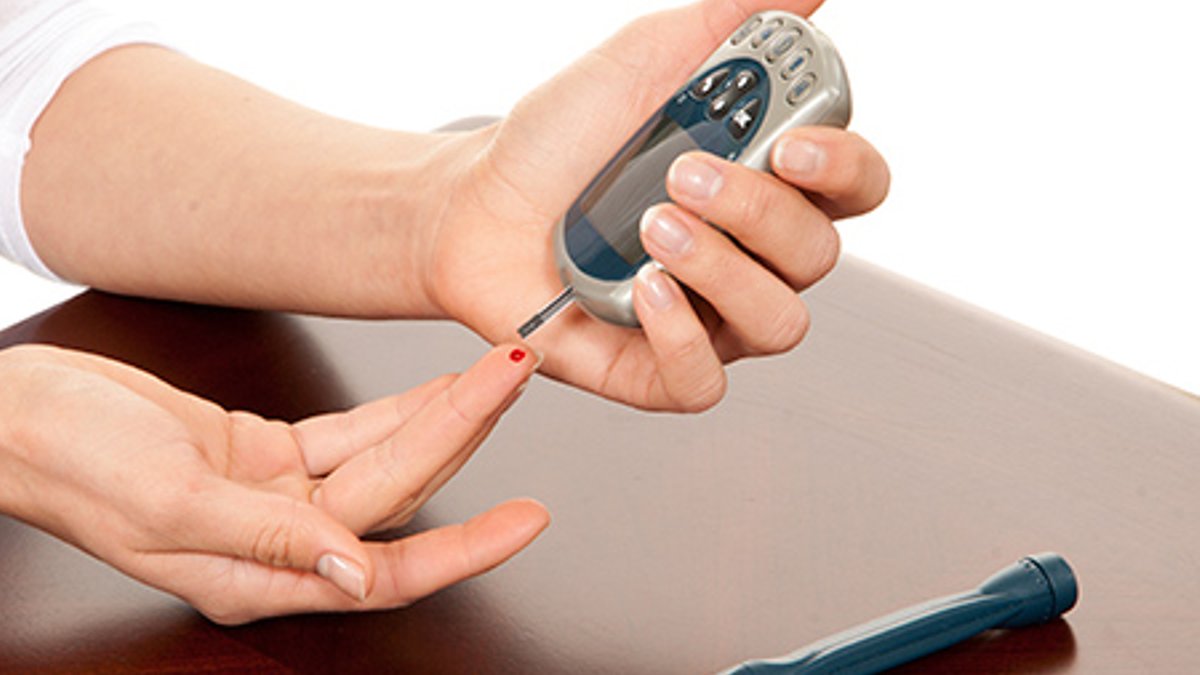
A 20-second speech sample could potentially indicate whether a person has type 2 diabetes, according to research involving nearly 30,000 individuals. This method uses AI-based analysis of short voice recordings, which could transform the screening process for the condition.
Currently, type 2 diabetes screening involves blood tests and primary care consultations. However, digital and telephone platforms could enable earlier diagnosis and reduce the risk of complications through the use of AI-based analysis.
Research Findings
The findings were shared at the 62nd annual conference of the European Association dedicated to diabetes research, held in Milan, Italy. Giedrė Čepukaitytė, PhD, a researcher with the deep-tech firm Thymia, said this approach could transform how screening is performed.
“A speech sample can be taken over the phone or through an app, so we can reach far more of the people who need a blood test than current pathways do, particularly those who never get to a health check,” said Čepukaitytė.
Thymia’s model was trained using 63,283 voice samples from 21,129 people in the U.K. and U.S. who reported whether or not they had been diagnosed with diabetes. It was then validated using 20-second recordings of people reading Aesop’s fables in 7319 adults from the U.K.
Model Performance
The analysis indicated that, in 80 % of cases, the algorithm assigned a higher risk rating to participants who reported having type-2 diabetes compared with those who did not. Performance was consistent across genders and age brackets, yet accuracy declined for Black participants.
Among a subset of 801 volunteers who performed at-home glycated hemoglobin measurements within three months of providing their speech sample, the AI assigned a higher risk score to those with type-2 diabetes in 75 % of instances. The model demonstrated a sensitivity of 82 % and a false-positive proportion of 47 %.
Čepukaitytė and her collaborators state that evaluating speech is rapid, non-invasive and can be performed remotely, allowing clinicians to prioritize high-risk patients for confirmatory blood tests before any treatment. Importantly, none of the individuals labeled low risk by the algorithm displayed glycated hemoglobin values in either the diabetic or pre-diabetic range.
The research team’s findings suggest that this method could be used to identify individuals at risk of type 2 diabetes. They also highlight the potential for digital and telephone platforms to improve the screening process. Thymia’s research is a significant step forward in the development of new screening methods for type 2 diabetes.



Leave a Reply