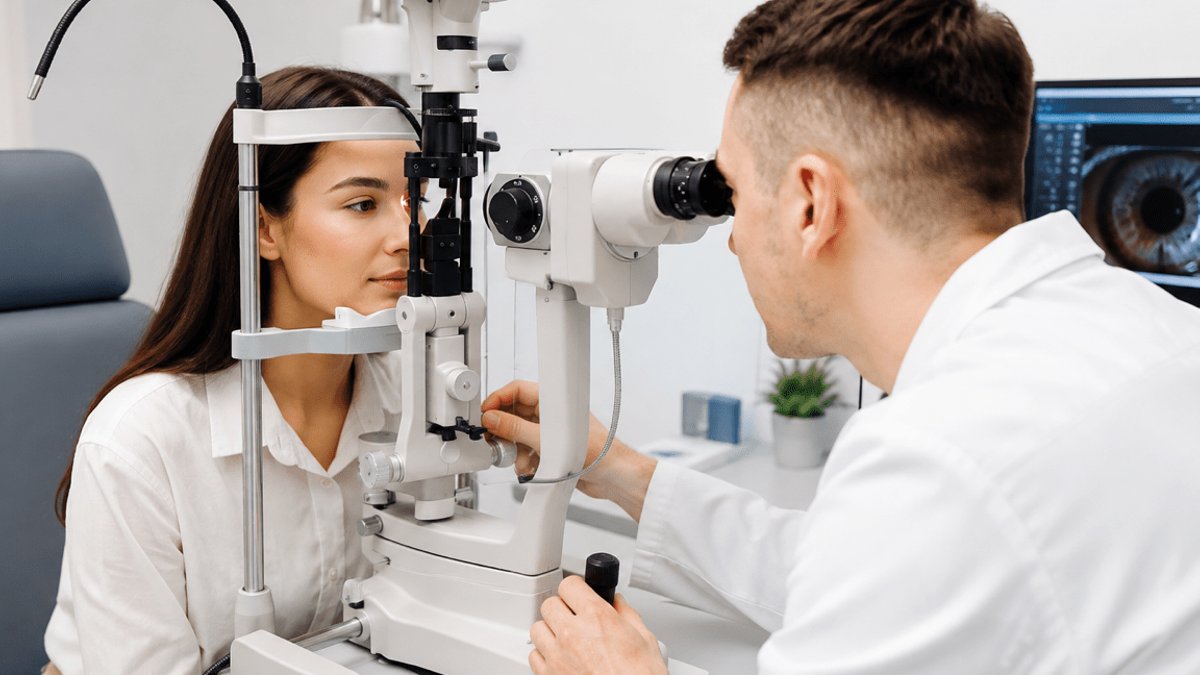
Keratoconus poses a significant challenge to eye-care systems across the Middle East, particularly due to its early onset in young patients and varied progression rates. While modern keratoconus care involves sophisticated techniques like corneal tomography for early detection and cross-linking to stabilize the disease, creating a full care pathway that connects these stages remains a key hurdle.
Prevalence and Impact of Keratoconus in the Middle East
Keratoconus, a progressive corneal ectasia, affects the cornea’s shape, leading to irregular astigmatism, blurred vision, glare, and reduced visual quality. Although found worldwide, regional studies suggest it deserves particular attention in the Middle East. A study in eastern Saudi Arabia found keratoconus in 2.75% and suspected cases in 11.93% of adolescents and young adults. Similarly, a study in the UAE estimated keratoconus prevalence at 2.7%, with a larger group classified as suspects.
These figures show the importance of keratoconus in the region, highlighting the need for early detection and appropriate care pathways.
Early Diagnosis and Modern Keratoconus Care
In the past, many patients received a keratoconus diagnosis only after significant vision loss. Modern corneal imaging, including topography and tomography, can reveal structural changes not evident from conventional refraction alone. Early identification allows clinicians to determine if the cornea is stable or progressing, providing time for effective intervention.
Stabilizing the cornea and improving vision are distinct goals in keratoconus management. While corneal collagen cross-linking can stabilize the cornea, it does not automatically restore normal optics. Specialty contact lenses, such as scleral lenses, can improve functional vision even in highly irregular corneas.
Related: Is UAE healthcare ready for AI integration
Scleral lenses have shown consistent improvements in visual acuity and quality of life in keratoconus patients, but successful care should not end at disease stabilization. Not every scleral lens fitting is the same, and advanced fitting techniques can be key for highly irregular eyes.
Beyond visual acuity, the importance of visual quality cannot be overlooked. Patients may achieve good visual acuity while experiencing halos, glare, or ghost images. Residual wavefront error and more sophisticated lens modifications may be necessary for some patients.
An integrated eye-care pathway is essential for effective keratoconus management. This involves ophthalmologists, optometrists, and other healthcare professionals working together to evaluate progression, determine interventions, and provide long-term functional visual rehabilitation.
Regional access to advanced corneal rehabilitation is key. Centers like M’Eye Clinic in Jerusalem specialize in managing irregular corneas and complex visual rehabilitation, catering to patients from across the Middle East.
For healthcare providers and patients across the region, an effective keratoconus care pathway should include early recognition, thorough evaluation, stabilization, visual rehabilitation, and long-term follow-up.





Leave a Reply