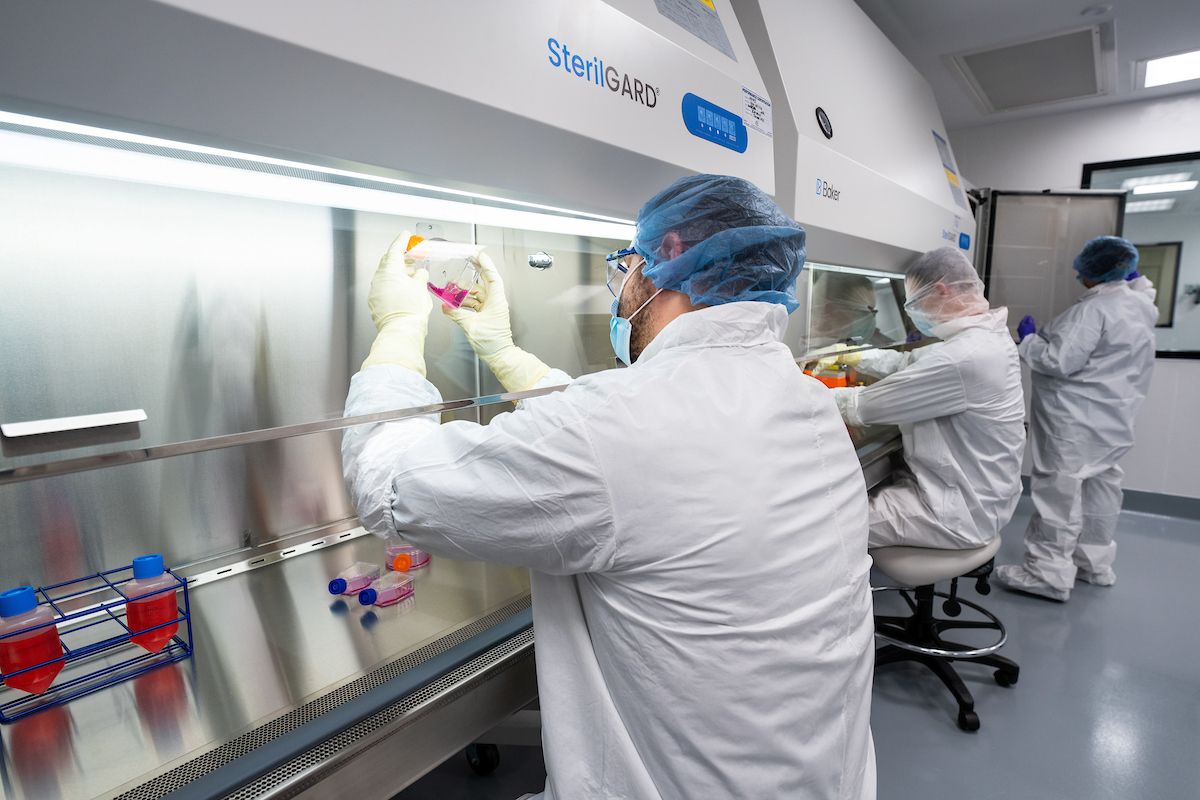
Kite, a Gilead company, presented new data from its CAR T-cell therapy portfolio at the International Conference on Malignant Lymphoma (ICML) 2025, including real-world outcomes for patients with a rare and aggressive blood cancer.
The data covers the largest cohort of patients treated with axicabtagene ciloleucel for Richter Transformation to Large B-cell Lymphoma (RT-LBCL) from the Center for International Blood and Marrow Transplant Research (CIBMTR). RT-LBCL is a complication of chronic lymphocytic leukemia (CLL) where the disease transforms into an aggressive lymphoma, and treatment options are limited.
At a median follow-up of 26 months, the analysis shows a median duration of response of 19 months in these patients. That is a population with what the company describes as “high unmet medical need.” Standard chemotherapy regimens for this condition often produce short-lived responses.
Related: EU Looks to Share Health Data Across Borders
The safety profile in this real-world analysis was comparable to what has been seen in other large B-cell lymphoma (LBCL) studies, according to the report.
Also presented at ICML was data from the Phase 1 KITE-363 study. That trial investigates an investigational next-generation CAR T-cell therapy for relapsed/refractory (R/R) B-cell lymphoma. The early findings demonstrate a tolerable safety profile for the therapy, which is still in development.
Dan Tovar, Head of Medical Affairs Cell Therapy for Kite’s Australia, Canada and Europe (ACE) region, said the company is focused on building “a strong real-world evidence base for CAR T-cell therapy.” He noted that Kite is presenting its latest advancements in haematological cancer treatment at the conference.
“We look forward to discussing the potential of our CAR T-cell therapy portfolio and our innovative pipeline to address the unmet need in difficult-to-treat blood cancers,” Tovar said in a statement.
Related: Immunisation’s role for people with NCDs
What the Richter Transformation data actually shows
Richter Transformation is hard to treat. Patients who develop this condition — where CLL turns into an aggressive lymphoma — often have a poor prognosis. Standard frontline treatments for LBCL do not work well for them.
The CIBMTR registry data included more patients than any previous analysis of axicabtagene ciloleucel for this specific condition. Many patients with RT-LBCL see their disease return within months of conventional therapy.
One independent oncologist not involved in the study, who asked not to be named because he was not authorized to speak publicly, said the data is “encouraging but still early.” He pointed out that real-world registry data, while valuable, lacks the controlled conditions of a randomized trial. “The question is always patient selection,” he added. “Registry patients who get CAR T tend to be fitter than the average RT-LBCL patient.”
The KITE-363 trial and next-generation CAR T therapy
The KITE-363 study is a Phase 1 dose-escalation trial. It is testing a CAR T-cell therapy designed to target multiple antigens on cancer cells, which could potentially make it harder for tumors to evade treatment through antigen loss. Data presented at ICML focused on safety. The trial has not yet established a recommended Phase 2 dose. The company described the safety profile as “tolerable,” meaning the side effects were manageable at the doses tested so far.
Related: Brain Bypass May Help With Stress Resilience
12 patients were evaluable for safety in the initial cohort. No unexpected toxicities were reported.
The overall response rate from this early-stage trial was not disclosed in the press materials, which is standard for Phase 1 studies where the primary goal is safety, not efficacy.
Kite’s presence at ICML 2025 reflects the broader shift in lymphoma treatment toward cellular therapies. They already market Yescarta (axicabtagene ciloleucel) for several types of lymphoma. These new data points try to expand its use into harder-to-treat populations.


Leave a Reply