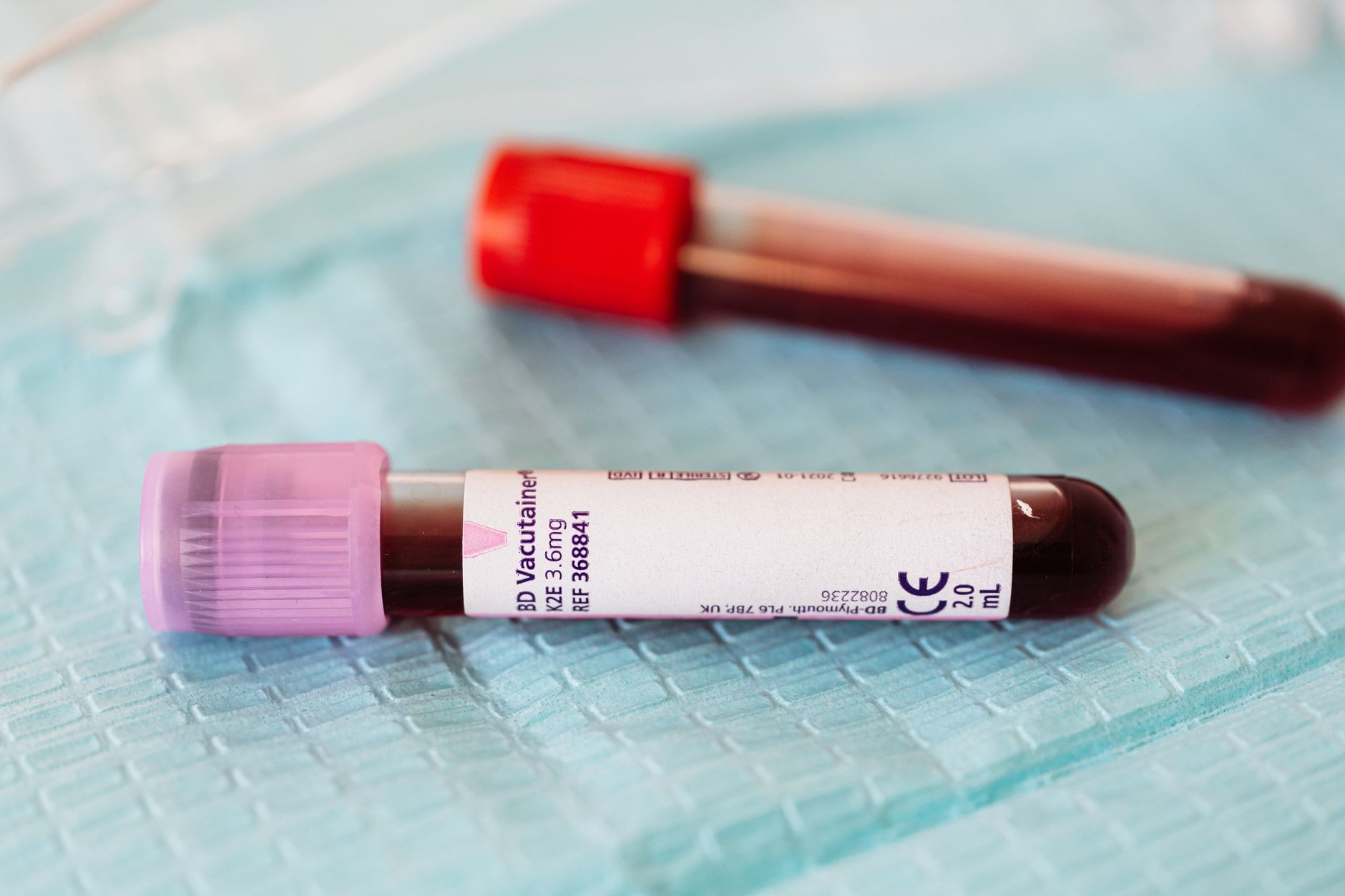
Researchers at Kaunas University of Technology have discovered that low-frequency ultrasound can improve blood flow, potentially leading to new treatments for cardiovascular and neurological diseases. According to the report, low-frequency ultrasound can directly influence blood flow, which may help reduce the need for invasive procedures or medication in the future.
The study, published in the journal Sensors, found that different sound frequencies can produce opposite effects on red blood cells. High-frequency ultrasound can encourage red blood cells to cluster together, increasing blood viscosity and potentially leading to higher blood pressure and less efficient oxygen exchange.
On the other hand, low-frequency ultrasound generates traveling acoustic waves that can separate aggregated red blood cells into single cells, decreasing blood viscosity and improving oxygen exchange. The researchers believe this non-invasive approach may have potential applications in treating cardiovascular diseases, Alzheimer’s disease, diabetes, and wound healing.
The idea for the research emerged during the COVID-19 pandemic, when scientists were searching for non-invasive ways to support patients experiencing severe respiratory complications. They used digital twins to develop a low-frequency ultrasound transducer capable of sending acoustic signals approximately four times deeper into biological tissues than conventional devices.
This technology is now protected by an international patent, and although it remains at an early research stage, the team is exploring its potential in several medical fields. One area being explored is cancer therapy, where traveling acoustic waves may help selectively affect tumor structures.
The researchers also see potential in Alzheimer’s disease therapy, where the approach may help temporarily open the blood-brain barrier and improve targeted drug delivery to brain tissue. Additionally, the technology may support the treatment of diabetic foot ulcers, where impaired circulation makes wound healing more difficult.
According to Prof. Vytautas Ostaševičius, the technology could also have future applications in targeted drug delivery and supportive therapies for cardiovascular and pulmonary diseases. While the technology is still experimental, the researchers believe their findings broaden the understanding of ultrasound as more than a diagnostic tool, which may lead to new vaccine targets for various diseases.
The study’s results show that ultrasound can mechanically influence blood properties, opening possibilities for future non-invasive therapies that may one day complement existing medication-based and surgical treatments. As they continue to explore the potential of low-frequency ultrasound, the researchers may uncover new ways to improve blood flow and oxygen delivery, leading to better treatment options for a range of diseases, including those related to the MYH9 gene.
For more information on the study, visit the journal website.





Leave a Reply