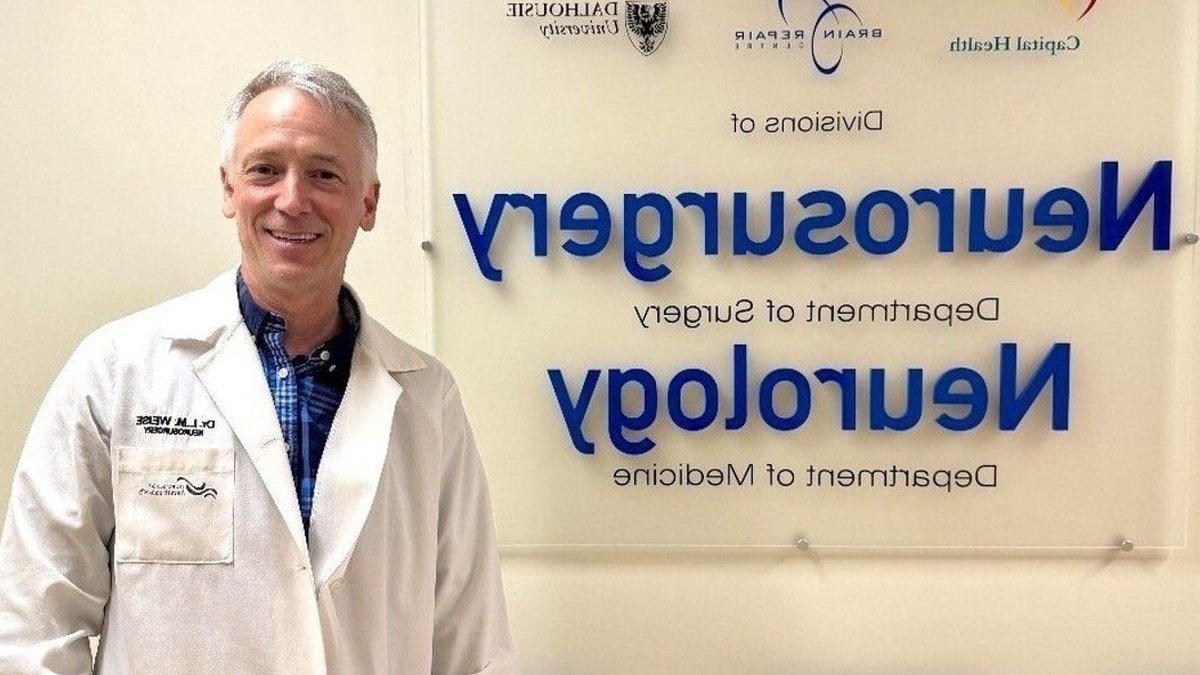
Nova Scotia has become the first Canadian province to employ the Leksell Vantage Frame, a high‑tech device that supports deep brain stimulation procedures for movement disorders such as Parkinson’s disease.
How the new frame works
According to Dr. Lutz Weise of the QEII Health Services Centre, the frame is a refined version of existing stereotactic systems. It attaches to a patient’s head, creating a coordinate map that aligns imaging data with the surgical target. This integration allows surgeons to place electrodes with greater precision than older methods.
Conditions treated with the system
While Parkinson’s disease is the most cited use, the frame supports a range of neurological conditions. Deep brain stimulation can alleviate tremors in older adults—affecting roughly five percent of people over 60—by reducing shaking that interferes with everyday tasks. The approach also helps patients with essential tremor, dystonia, and certain forms of epilepsy that do not respond to medication.
Related: Patient Navigators Help Ease Patient Fears
In epilepsy cases, doctors first seek the seizure focus through imaging and testing. If the problematic area cannot be removed, electrodes are implanted to lower seizure frequency. The frame also assists in obtaining tissue samples from delicate brain‑stem tumors, where pinpoint accuracy is critical.
Long‑term benefits and limitations
Deep brain stimulation works like a cardiac pacemaker, with a battery‑powered pulse generator connected to brain electrodes. Patients who received implants a decade or two ago continue to experience motor improvements, provided the hardware remains intact.
Nova Scotia’s position in the national setting
Although other Canadian hospitals perform similar surgeries, the refined workflow in Nova Scotia offers a more streamlined experience. The province’s adoption of the Leksell Vantage Frame reflects a broader trend toward precision medicine in neurosurgery.
Related: Exercise Boosts Recovery After Endometrial Cancer
The procedure is minimally invasive.
Patients who undergo the procedure typically return for routine battery checks, similar to pacemaker follow‑ups. Dr. Weise emphasizes that the implants are designed for durability, yet ongoing monitoring remains essential to address any hardware issues promptly.
Overall, the adoption of the Leksell Vantage Frame in Nova Scotia represents a concrete step forward in managing complex neurological disorders, offering measurable improvements in mobility and daily function for those living with conditions that were previously hard to treat.




Leave a Reply