Patients diagnosed with cancer often feel overwhelmed by the reality of managing complex treatment plans that can include drug therapy, radiation, or surgery. A recent Canadian study surveyed patients in eight provinces and found a significant gap in care. While health-care providers delivered information about diagnoses and treatments sensitively, the study revealed that more than half of patients who expressed emotional concerns were not referred to services designed to help with their fears and anxieties.
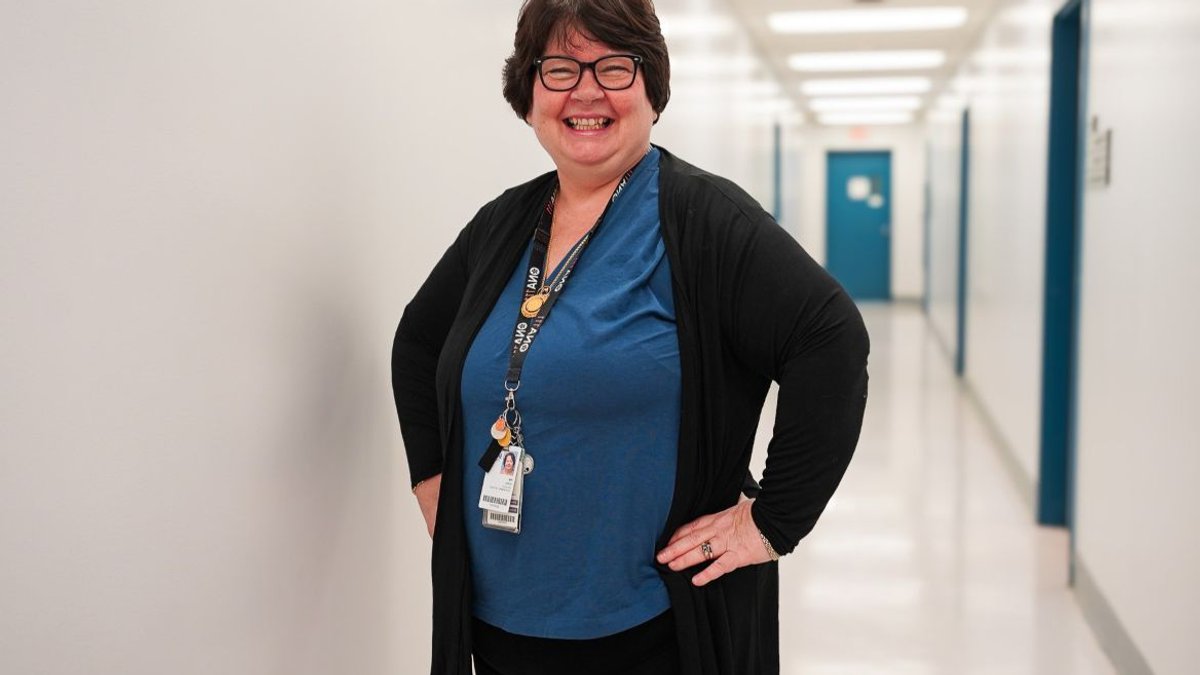
Joy Abbas has spent more than 30 years as a nurse at Scarborough Health Network in Ontario, a career that began during her honeymoon. In 2024, she adopted the role of a patient navigator to fill the care gap she saw in her previous work. In this position, she serves as the main contact for patients newly diagnosed with colorectal or gastrointestinal cancers, guiding them from their first appointment through treatment and recovery. Her background includes more than 20 years in the endoscopy department, a busy unit where patients are sometimes first identified as having a lesion.
Related: Breakthrough Research Offers New Hope for MS Patients
Joy recently received a 30-year service pin that she wears with pride. Born to a family of nurses, including her sister Faith, she grew up on a farm north of Sudbury helping with livestock. Her long experience has given her a deep understanding of both the biology and the human experience of cancer. She lost her nephew to the disease at age 42, and that personal loss has shaped her approach to advocacy. Joy explains that the health-care system can be difficult to handle without a knowledgeable guide. “When a patient needs life-saving treatment, the minutes count,” she says. “Surgeons have admin people who book appointments, so having a patient navigator to keep things moving forward is a key role.”
The system is often complex, and details can sometimes fall through the cracks. Joy works to ensure the “puzzle pieces” of a patient’s care fit together quickly. She follows up on tests, arranges iron infusions when necessary, and coordinates between patients and surgeons. In a busy department where CTs and MRIs are often done within two weeks, this follow-through is essential. Her training in health equity and health literacy has also helped her assist newcomers who may not understand the system or face language barriers.
Beyond logistics, Joy provides a key personal touchpoint. She has walked patients into the operating room because they trusted only her, holding their hand as they went under anesthesia. She understands that fear often prevents patients from sharing concerns with their own families. “One gentleman said to me, there’s things that he couldn’t talk about even with his wife, his fears,” she says. “So you’re supporting not just the patient, but the family, the significant others, the people that love them.” Joy’s role effectively extends the support network for families, encouraging them to call her if they need to talk.
Related: 7 Reasons Archpoint Implant Dentistry Is Your Best Bet for a Lasting Smile
While the role of a patient navigator is not new, its implementation varies by location. Joy notes that the specific requirements and training can differ depending on the health-care centre. However, the core need remains constant: a dedicated person to advocate for the patient. The burden of coordinating care often falls on the patient and their family, a dynamic that can lead to stress and confusion. Joy’s approach combines administrative efficiency with a deep, personal empathy, ensuring that patients have a consistent advocate who knows the system and their specific needs.
Always available
Joy has designated hours for responding to concerns, but she makes it clear that she is available around the clock. “I leave my phone on and I tell them this, I have hours, but I always leave my phone on.” This availability provides a sense of security that goes beyond standard nursing duties. The relationship she builds with patients is built on trust and the promise that she will act in their best interest. By bridging the gap between complex medical logistics and human emotion, patient navigators like Joy Abbas help patients carry the heavy burden of their diagnosis with a little less weight.





Leave a Reply