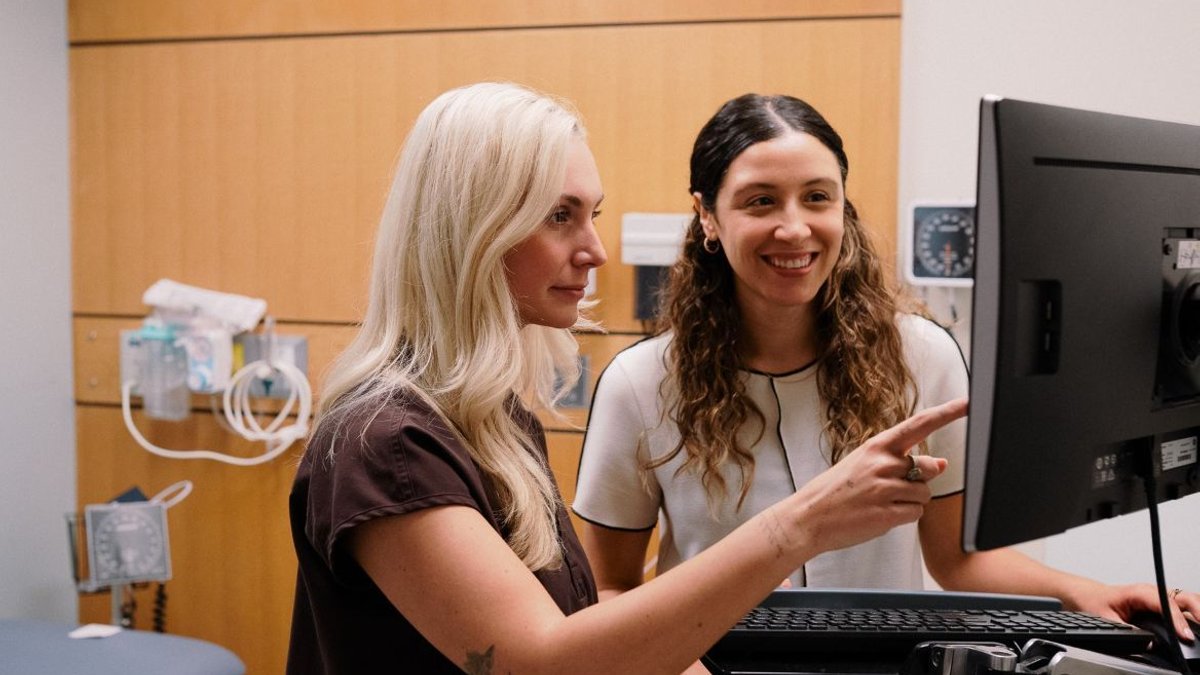
Physician assistants are becoming a key part of efforts to close gaps in cancer care for adolescents and young adults, a trend highlighted by the recent pilot program at Southlake Health in Newmarket, Ontario.
New role aims to fill a care void for 18‑to‑43‑year‑olds:
Southlake Health’s adolescent and young adult cancer program serves patients aged 18 to 43, a group whose needs differ from those of older adults. The program, linked to the Princess Margaret Cancer Centre, added its first physician assistant, Nicole Boetto, in early 2026. Boetto, 33, holds a degree in nutritional sciences and a bachelor’s in education, and previously worked in a diabetes clinic before volunteering at Toronto’s SickKids hospital.
“We all work together to really assess patients, diagnose and treat patients holistically,” Boetto says. “As a PA, there is time within our role to really take a whole‑person, whole‑patient centered approach.” Her duties include managing acute symptoms, providing health‑promotion counseling, and coordinating lifestyle‑related support such as nutrition and mental‑health services.
Related: Gander father emotional as NL expands palate coverage
Dr. Alisha Kassam, who leads the regional cancer program, notes that the adolescent‑young adult cohort often faces challenges like fertility preservation, survivorship planning, and balancing treatment with work or family responsibilities. “It’s a lot more involved than one oncology visit,” she explains, emphasizing that the PA can extend continuity and help manage these complexities.
Physician assistants expand the oncology team’s capacity
The PA model originated in the Canadian military as a designation for senior medics before moving into civilian health care in the early 2000s. National accreditation and a two‑year postgraduate program produced the first graduates in 2010, and demand has risen steadily since.
In Southlake’s pilot, Boetto works alongside supervising physicians, nurses, social workers, dietitians, and other specialists. She handles fertility counseling, supports psychosocial concerns, and assists with patient education. “We’re trained as generalists, so that means we can practice across many different specialties,” Boetto says, highlighting the flexibility that allows her to shift between clinical and supportive roles.
Related: Home Cooking Made Easy with Basics
From an operational standpoint, the PA’s involvement helps the oncology team work at full scope. When fertility or sexual‑health issues arise, clinicians can refer patients to Boetto, who has the training to provide detailed clinical support. Social workers continue to manage practical aspects, while nurses maintain day‑to‑day clinic operations.
Southlake Health is also collaborating with Princess Margaret Cancer Centre for ongoing professional development, ensuring that the PA stays aligned with the latest oncology practices. The partnership facilitates smoother transitions for patients moving from pediatric to adult services, reducing the disruption that often accompanies such a shift.
Dr. Kassam believes the PA model can be adapted as patient volumes and treatment complexities increase. “We need to think about how we can thoughtfully integrate roles like physician assistants to make sure that we’re filling in some of the gaps,” she says, indicating that the pilot may serve as a template for other institutions.




Leave a Reply