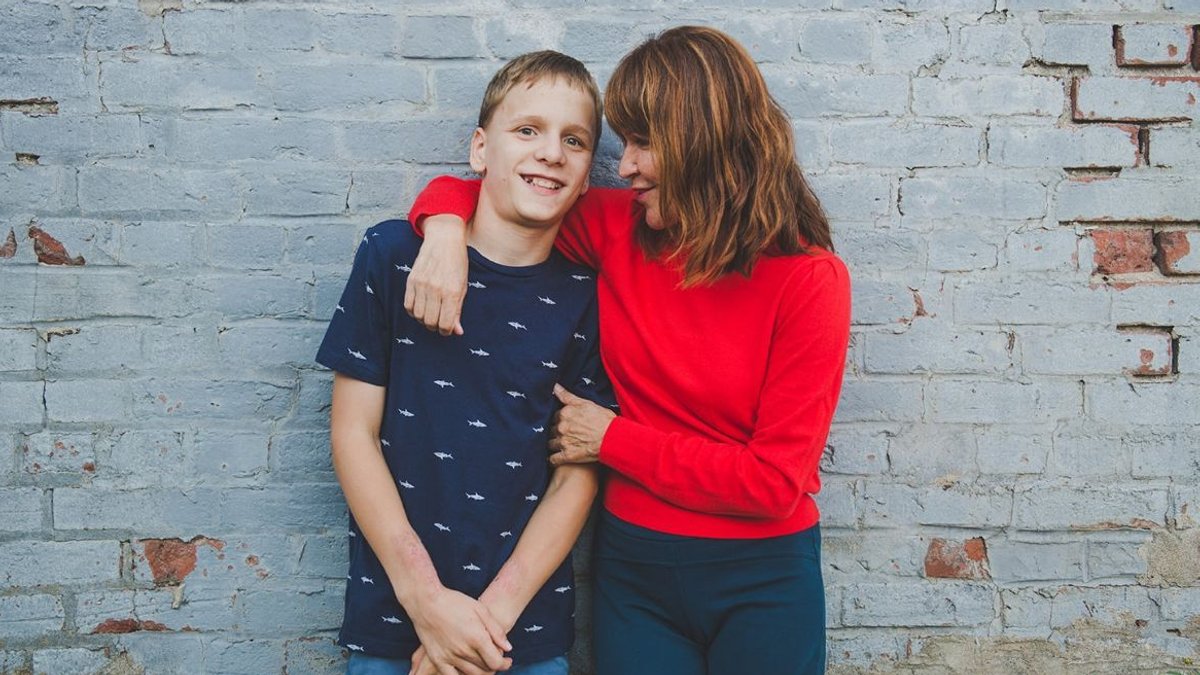
Free-range parenting has largely vanished from modern childhoods, replaced by schedules packed with organized activities and constant adult supervision. As a journalist who grew up riding her bike to a friend’s house without a plan, Karen Hawthorne notes that her son Quinton now carries a tracker and relies on her to coordinate playdates. This shift away from independent exploration has coincided with a rise in screen time and what experts call helicopter parenting, which prioritizes safety over the development of self-reliance.
Lenore Skenazy, founder of the advocacy group Let Grow, argues that the current culture of over-supervision is stifling a child’s natural ability to solve problems and build confidence. Skenazy, a former reporter, gained national attention in 2008 for allowing her nine-year-old son to handle the New York City subway system alone, an experience she describes as a key moment for his maturity.
“One sunny Sunday, I took Izzy to Bloomingdale’s super fancy department store. And I left him in the handbag department because the handbag department happens to be right over the subway. There’s a subway entrance in Bloomingdale’s itself. And I went home another way,” Skenazy says.
Despite the criticism that followed, the outcome was positive. The boy found his way to the correct platform, rode downtown, took a bus across town, and returned home with a profound sense of pride. Today, the now-adult Izzy holds a recent promotion at work, a fact that Skenazy attributes to the autonomy he gained during that childhood adventure.
“You’re proud of what they’re capable of doing and you don’t want to stand in their way. You don’t want to be heedless of real difficulties or real dangers. But on the other hand, what is our job as parents? It’s to try to raise kids to be who they can be,” Skenazy explains.
Related: Early Skin Exams Reveal Melanoma Before It Spreads
The value of independent exploration
Skenazy’s organization promotes “free-range kids” through practical guides that encourage parents to step back and let children handle age-appropriate tasks. The approach includes giving students monthly homework assignments to complete without direct adult supervision, such as walking to the store or making dinner.
Research supports this shift, particularly regarding the long-term benefits of imaginative play. A longitudinal study of more than 1,400 Australian children found that early pretend play is strongly linked to better mental health outcomes years later, with participants showing fewer emotional and behavioral difficulties in primary school. This discovery highlights how physical and social independence is essential for healthy development.
The organization also conducted a poll of 500 children aged eight to 12 to understand their preferences. The most favored activity was free play with friends, followed by organized in-person activities like sports. Online interaction was the third choice, suggesting that children are not inherently addicted to screens but are engaging with digital media out of necessity due to a lack of other options.
Experts suggest that the rigid separation of adult and child worlds has been lost. In the past, there was a distinct “kid world” of bike rides and imaginative games, separate from adult conversations. Now, the blending of these worlds means children are constantly monitored, and adults often miss out on their own downtime. This constant tutelage creates stress for both generations, leaving little room for the unstructured exploration that supports resilience.
For Hawthorne, the realization that her son can handle a trip to the convenience store on his own was a step toward reclaiming that lost autonomy. After he successfully retrieved a slushie using his own bank card, she recognized the value of stepping back and letting him grow. [1] Identity formation often mirrors these early independence milestones.





Leave a Reply