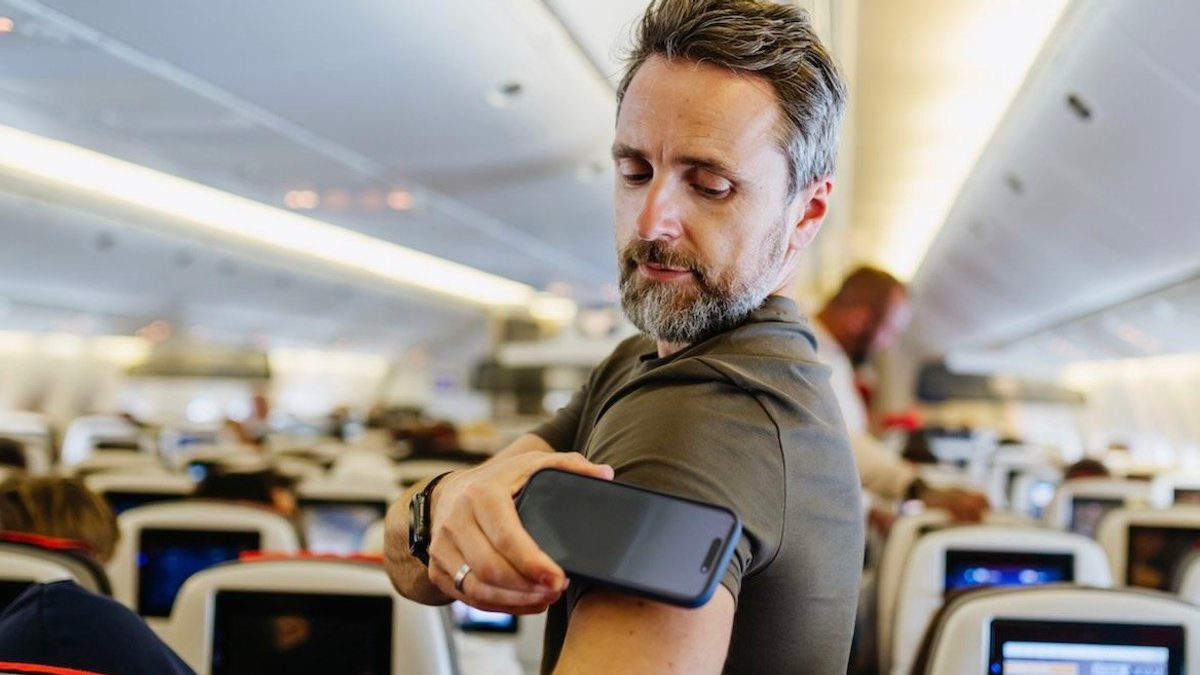
Summer travel can be enjoyable, but for people with diabetes it adds an extra layer of planning to keep blood‑sugar levels stable while on the move.
Preparation starts before you leave
Jennifer Buccino, executive director of Diabetes Knowledge and Connection at Diabetes Canada, reminds travelers that “diabetes doesn’t take a vacation.” She says the condition’s clock keeps ticking, so people with diabetes must think ahead about medication, food, and activity changes.
One practical tip is to bring more medication than the trip requires. Carrying extra supplies helps address unexpected delays or lost luggage. She also advises against using travel bottles to bring your medications with you.
Before departure, pack your medications in your carry‑on because “you never know when you’re going to see that luggage again,” Buccino says. “You need to have access to your medication.”
Adjusting to new eating and activity patterns
Vacations often shift daily routines. A beach resort might reduce step counts, while a hiking adventure could increase them. Both scenarios influence glucose levels, and any change—whether more meals out or fewer steps—will be reflected in blood‑sugar readings.
Staying hydrated is especially important in hot climates. High blood sugar can worsen dehydration, so travelers should monitor fluid intake and be ready to treat rising glucose with extra water and, if needed, medication adjustments. Hydration also supports overall health.
Conversely, heat and increased activity can trigger low blood sugar. Keeping glucose tablets, juice packets, or another quick‑acting carbohydrate on hand helps prevent severe drops.
Related: Early Skin Exams Reveal Melanoma Before It Spreads
Food availability may also be limited. Packing a small emergency snack box can bridge gaps between meals, especially on long car rides or flights where airline food timing may not align with personal needs.
Travelers should also be aware of local regulations regarding medication importation. Some countries require documentation, so having a doctor’s letter and original prescription bottles can avoid customs complications.
The broader lesson extends beyond travel. Managing diabetes in any setting—whether a large city or a quiet cabin—requires the same level of awareness and adaptability. Skills honed on vacation can strengthen everyday self‑care, reinforcing the importance of flexibility in chronic‑disease management.
Balancing vigilance with self‑compassion
Even with thorough preparation, blood‑sugar readings may drift from the usual range.
In practice, this means checking glucose more frequently during the first days of a trip, adjusting insulin doses if needed, and staying prepared with correction supplies.
Ultimately, the combination of proactive planning, appropriate medication storage, and realistic expectations equips travelers with diabetes to experience a summer getaway without compromising health.





Leave a Reply