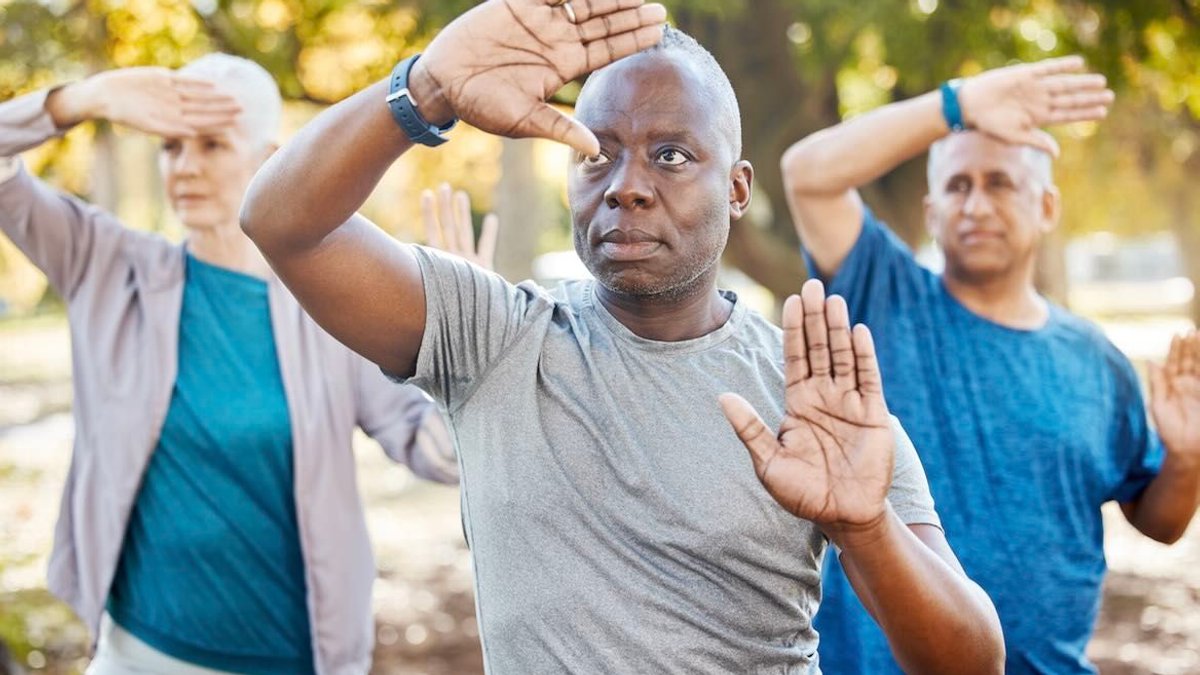
Staying active during the summer presents unique challenges for older adults managing chronic conditions, requiring a careful balance of movement and environmental awareness. According to research published in the Canadian Medical Association Journal, regular physical activity is essential for maintaining functional independence and managing health issues in this demographic. Dr. Samir Sinha, a geriatrician and clinician scientist involved in the study, often advises patients to move to maintain their capabilities.
The risks of summer heat
While outdoor exercise is often encouraged, the summer heat introduces specific physiological risks that older adults must handle carefully. The body’s natural cooling mechanisms, such as sweating and thirst cues, become less effective with age. Older adults tend to have a diminished sense of thirst and a lower overall fluid reserve, which means they cannot sweat as efficiently as younger people. This combination of factors makes it difficult for the body to regulate temperature, especially when paired with chronic health issues.
Related: Veteran Nurse Baker Endures Tough Training Wants More
Chronic conditions such as arthritis, emphysema, and diabetes can compound these risks. Arthritis and other illnesses that cause pain or fatigue can make normal weakness feel more pronounced. Respiratory conditions limit lung capacity, while diabetes may cause nerve damage that hinders physical activity. “Many chronic health issues can affect our ability to stay active,” Dr. Sinha noted. “Exercising is more challenging for older adults in the first place, and then doing it particularly in the heat.”
Dr. Sinha pointed out that the dangers of heat are often underestimated. Heat waves have historically resulted in 90 per cent of casualties being older adults, though these incidents frequently occur indoors rather than during strenuous outdoor activities. “Most of the casualties that are happening due to heat, you know, heat stroke and these other things aren’t necessarily happening outside and not due to older adults running marathons in the heat,” he said.
Heat becomes particularly concerning when temperatures exceed 26 degrees. Even environments like a home can become hazardous if the thermostat creeps above this threshold, as the body may not alert the individual to the rising danger until it is too late. The body’s reduced reserve and response mechanisms make it harder to recover from overheating once it begins.
Related: Living with mastocytosis poses daily challenges
Managing activity safely
To minimize these risks, experts suggest prioritizing hydration and environmental awareness. “First and foremost,” Dr. Sinha emphasized, is staying hydrated. Planning routines around temperature peaks is also key. If outdoor walking is a primary form of exercise but temperatures are high, shifting the location to an air-conditioned space like a mall can provide a safe alternative. Indoor fitness classes specifically designed for older adults offer another structured option that avoids direct heat exposure.
Timing can be just as important as location. Shifting outdoor workouts to early morning or late evening helps avoid the peak heat of the day. The type of exercise chosen should also align with the individual’s physical condition and fitness level. Low-impact activities like chair yoga, Tai chi, and indoor swimming are generally recommended because they reduce the risk of overheating during exertion. However, those with cardiovascular or respiratory conditions may require specific strength-based approaches to manage their health effectively.




Leave a Reply