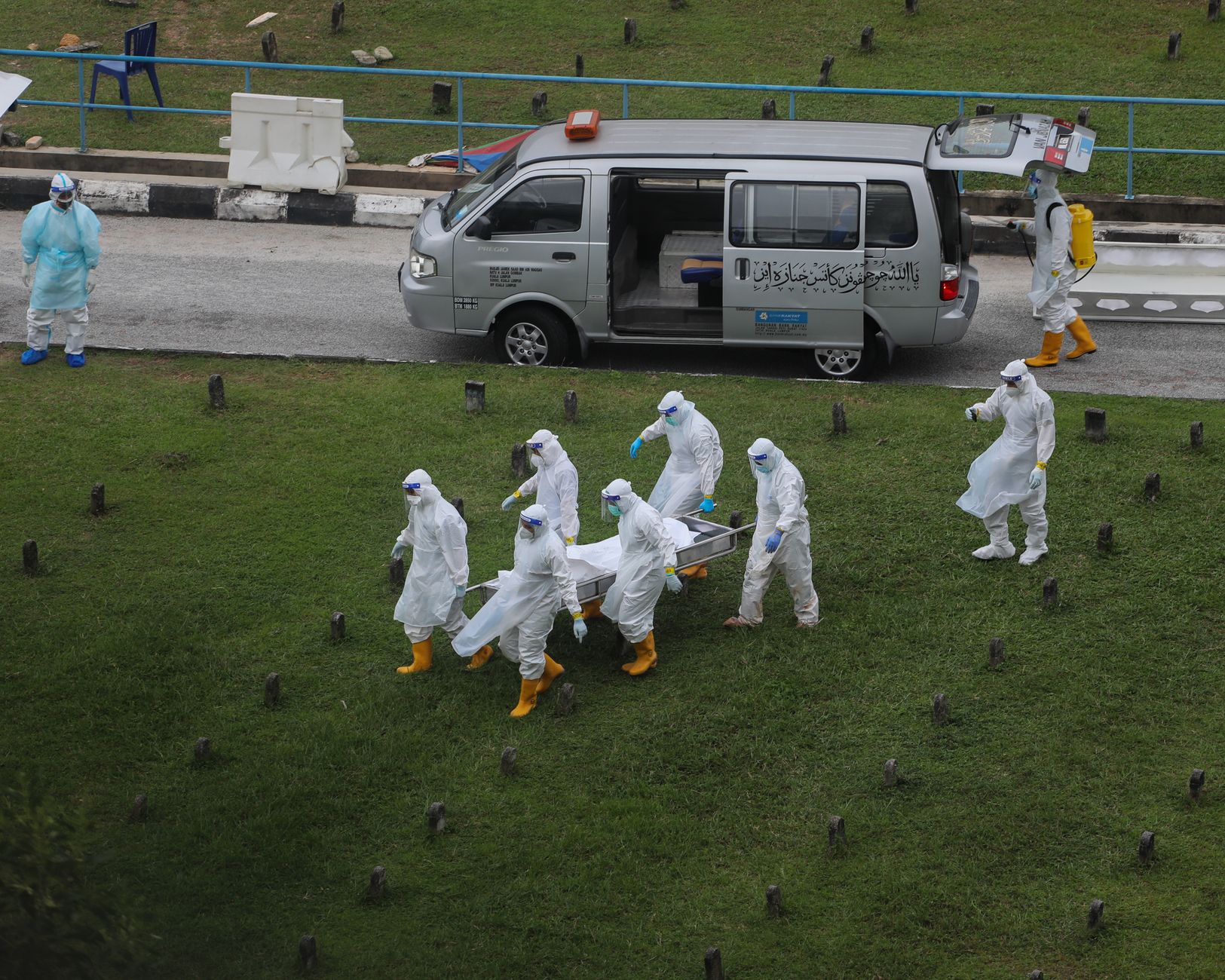
The World Health Organization has declared the current Ebola outbreak in Congo and Uganda a public health emergency of international concern. The move follows reports of over 300 suspected cases and 88 deaths, with the outbreak driven by the rare Bundibugyo virus. Unlike the virus behind the 2014 West Africa epidemic, Bundibugyo lacks approved therapeutics or vaccines, complicating containment efforts. The WHO emphasized the outbreak does not meet pandemic criteria and urged against border closures, though concerns remain about potential spread beyond the eastern Congo region.
Related: Ebola outbreak in Congo kills 65 people
Confirmed cases have emerged in Kinshasa, Congo’s capital, nearly 1,000 kilometers from the epicenter in Ituri province. Health officials note the patient linked to Kinshasa had visited Ituri, raising fears of wider transmission. North Kivu province, which borders Ituri, has also reported suspected cases. The virus spreads through bodily fluids like blood and semen, and its symptoms are severe, often fatal. The WHO’s declaration aims to mobilize resources, but past responses to similar emergencies have been criticized for slow delivery of medical supplies.
The Bundibugyo strain was first identified in Uganda in 2007-2008, infecting 149 people and killing 37. A second outbreak in 2012 in Congo’s Isiro region saw 57 cases and 29 deaths. This marks the third known detection of the variant. Africa’s CDC director, Dr. Jean Kaseya, warned that high active case numbers in Mongwalu, where the outbreak began, are “significantly complicating containment and contact tracing.” Conflicts with militants and population movement tied to mining further hinder response efforts.
Related: Hospital Guidelines for Opioid Addiction Treatment Improved
Officials first detected the outbreak in Ituri province on Friday, with the Africa CDC reporting 336 suspected cases and 87 deaths in Congo by Saturday. Two cases in Uganda include a traveler who died in Kampala and another who also came from Congo. The WHO noted the high positivity rate in testing, spread to Kampala, and clusters of deaths as signs the outbreak may be larger than currently reported. Delays in detection, with the first alert coming via social media on May 5 after 50 deaths, have allowed the virus to spread unchecked.
At least four therapeutics are under consideration for Bundibugyo, but no vaccine is being actively pursued. Existing Ebola treatments are not manufactured in Africa, a challenge compounded by resource shortages. Kaseya stressed the need for local vaccine production, citing frustrations with pharmaceutical companies’ reluctance to prioritize rare variants like Bundibugyo. “We cannot every day look for others to tell us what they are doing,” he said, emphasizing Africa’s need for self-reliance in health security.
Related: Brain recombines past knowledge for flexible planning
The earliest known case, a 59-year-old man in Ituri, developed symptoms on April 24 and died on April 27. By May 5, 50 deaths had already occurred, with no index case identified. This uncertainty underscores the outbreak’s complexity. Four healthcare workers who showed Ebola symptoms have died, highlighting risks to front-line staff. The WHO’s director-general, Tedros Adhanom Ghebreyesus, acknowledged gaps in understanding the outbreak’s true scope and geographic reach, urging vigilance as the situation evolves.





Leave a Reply