Africa’s top public health body has confirmed a new Ebola outbreak in Congo’s Ituri province, the 17th since the disease first emerged in the country in 1976. A total of 246 suspected cases and 65 deaths have already been recorded in the new outbreak.
The suspected Ebola cases have mainly been recorded in Ituri’s Mongwalu and Rwampara health zones, with additional cases reported in Bunia, the capital of Ituri province.
Only four of the deaths reported are laboratory-confirmed cases, but the new outbreak was confirmed after many suspected cases.
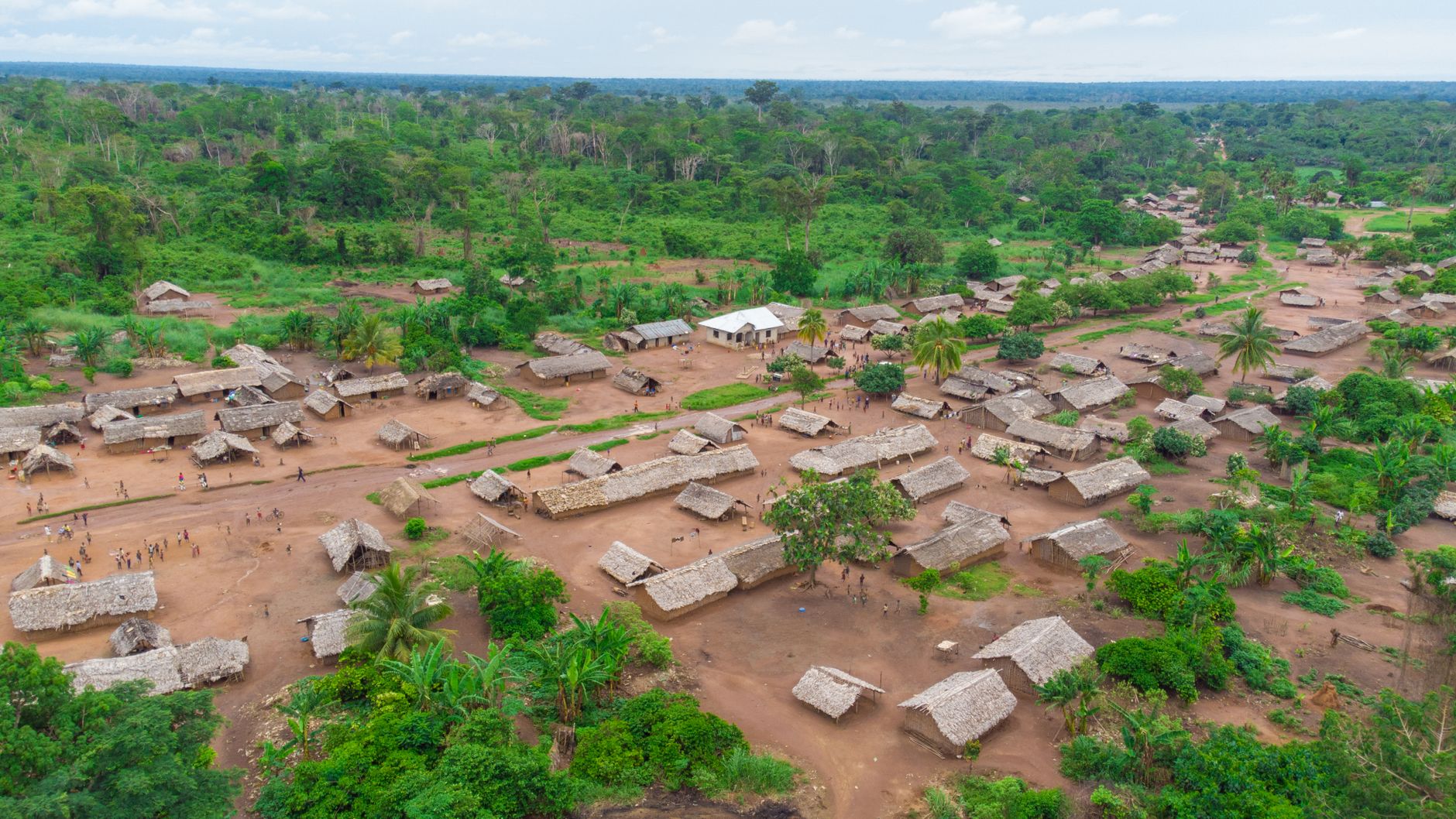
The location of the outbreak is a concern, as Ituri is in a remote eastern part of Congo with poor road networks, and is more than 1,000 kilometers from the nation’s capital, Kinshasa.
The Africa Centres for Disease Control and Prevention said there’s also risk of further spread due to intense population movement and attacks by armed groups that have killed dozens and displaced thousands in parts of Ituri province in the past year.
Related: Study shows orforglipron maintains weight loss from injectable drugs
New Outbreak Details
They said there are also gaps in contact tracing, as local authorities race to find those who might have been exposed to the virus.
Africa CDC said results so far suggest a non-Zaire Ebola virus, with sequencing ongoing to further characterize the strain, and results expected within the next 24 hours.
The World Health Organization said during Congo’s Ebola outbreak last year that the country has a stockpile of treatments and some 2,000 doses of vaccine, but the vaccine is directed at Ebola Zaire.
Expert Insight
Dr. Gabriel Nsakala, a professor of public health, said treatments for viral infections like Ebola are often directed at symptoms, and efforts regarding vaccines would become clearer when the strain in the new outbreak is confirmed.
Congo and health workers on the ground have a high level of experience from past outbreaks, in addition to existing infrastructure such as laboratories, said Nsakala.
Related: Your Ultimate Guide to Recovering Quickly from Inguinal Hernia Surgery
Now, the expertise and equipment need to be delivered quickly, he added.
Congo is Africa’s second-largest country by land area and often faces logistical challenges in responding to disease outbreaks due to bad roads and long distances.
Response Efforts
The Africa CDC has convened an urgent high-level coordination meeting with health authorities from Congo, Uganda, and South Sudan, together with key partners including U.N. agencies and other countries.
The meeting will focus on immediate response priorities, cross-border coordination, surveillance, safe and dignified burials, and resource mobilization, among other areas.
Funding has also been problematic, with health officials concerned about the impact of recent funding cuts, which had previously supported the response to Congo’s past Ebola outbreaks.
Related: New treatment approach needed for brittle bones
The U.S. Agency for International Development provided up to $11.5 million to support efforts across Africa in 2021.
The Ebola virus is highly contagious and can be transmitted to people from wild animals, then spreads in the human population through contact with bodily fluids such as vomit, blood, or semen, and with surfaces and materials contaminated with these fluids.
Symptoms include fever, vomiting, diarrhea, muscle pain, and at times internal and external bleeding.
The virus was first discovered in 1976, near the Ebola River in what is now Congo, with the first outbreaks occurring in remote villages in Central Africa, near tropical rainforests.
According to the report, the situation is being closely monitored, and efforts are being made to contain the outbreak and prevent further spread.





Leave a Reply