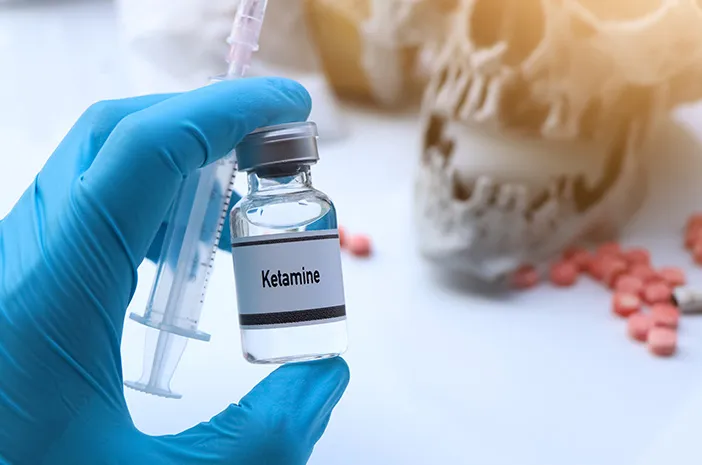
Ketamine is a powerful and fast acting compound that has gained significant attention in recent years for both its medical applications and its complex effects on the human mind. Originally developed as an anesthetic, ketamine is now being explored for its role in treating mental health conditions, particularly depression and anxiety. Its growing use in clinical settings and ongoing research have made it a topic of interest for patients, healthcare professionals, and researchers alike.
Table of Contents
It has moved far beyond its initial purpose in surgical environments. Today, it is increasingly recognized for its potential to provide rapid relief from treatment-resistant depression, post-traumatic stress disorder (PTSD), and chronic pain. This shift has sparked both optimism and caution, as experts work to better understand its long-term effects, benefits, and risks.
What is Ketamine?
Ketamine is a dissociative anesthetic that was first synthesized in the 1960s. It has been widely used in hospitals and emergency settings due to its ability to induce sedation, pain relief, and memory loss without significantly affecting breathing. This made it especially valuable in battlefield medicine and pediatric care.
Unlike traditional anesthetics, it works by blocking a receptor in the brain known as the NMDA receptor. This action influences the release of neurotransmitters like glutamate, which play a key role in mood regulation, learning, and memory.
A Brief History of Ketamine in Medicine
Ketamine’s medical story begins in the early 1960s, when chemist Calvin Stevens synthesized it as a safer alternative to phencyclidine (PCP), an earlier dissociative anesthetic that carried a higher risk of severe psychiatric side effects. The FDA approved ketamine for medical use in 1970, and it was quickly adopted in military medicine because it could sedate patients effectively without dangerously suppressing breathing or blood pressure, a critical advantage in field hospitals.
For decades, it’s role remained largely confined to anesthesia, particularly in pediatric surgery, veterinary medicine, and emergency departments. The turning point for mental health came in the early 2000s, when researchers at Yale University observed that low-dose ketamine infusions produced a rapid antidepressant effect in patients with treatment-resistant depression, often within hours rather than the weeks typically required by conventional antidepressants. That discovery launched two decades of clinical research into ketamine’s psychiatric applications, culminating in the FDA’s 2019 approval of esketamine for depression.
How Ketamine Works on the NMDA Receptor and Glutamate Pathway
To understand why ketamine acts so differently from standard antidepressants, it helps to look at its mechanism at the cellular level. Most conventional antidepressants, such as SSRIs, work primarily by increasing the availability of serotonin in the brain, a process that typically takes several weeks to produce noticeable mood improvements.
It takes a different route. It blocks the NMDA receptor, a type of glutamate receptor involved in synaptic signaling. By temporarily inhibiting this receptor, ketamine triggers a surge of glutamate release elsewhere in the brain, which in turn activates a separate receptor pathway (AMPA receptors) linked to synaptic growth. This cascade is believed to rapidly stimulate neuroplasticity, the brain’s capacity to form new neural connections, which may explain why it’s antidepressant effects can appear within hours rather than weeks. This glutamate pathway mechanism represents a fundamentally different therapeutic approach compared to serotonin- or dopamine-focused medications.
Ketamine vs. Esketamine: What’s the Difference?
Ketamine and esketamine are closely related but not identical. Ketamine is a mixture of two mirror-image molecules, called enantiomers, referred to as R-ketamine and S-ketamine. Esketamine is simply the isolated S-enantiomer, which appears to bind more strongly to the NMDA receptor.
The practical differences matter for patients. Esketamine, marketed as Spravato, is FDA-approved specifically for treatment-resistant depression and is administered as a nasal spray under direct medical supervision at a certified healthcare facility. Ketamine, by contrast, is FDA-approved only as an anesthetic; when used for depression, anxiety, or chronic pain, it is prescribed off-label, typically through intravenous infusion, intramuscular injection, or compounded oral lozenges. Both require close clinical supervision, but the regulatory pathway and insurance coverage can differ significantly between the two options.
Medical Uses of Ketamine
1. Anesthesia and Pain Management
Ketamine remains a widely used anesthetic in surgical and emergency medicine. It is especially useful in situations where maintaining stable breathing and blood pressure is critical. In lower doses, it is also used for pain relief in patients with severe or chronic pain conditions.
2. Treatment-Resistant Depression
One of the most promising developments in recent years is the use of ketamine for depression that does not respond to traditional antidepressants. Unlike conventional medications that can take weeks to show results, ketamine often works within hours. Patients receiving it therapy typically report a rapid reduction in depressive symptoms, including suicidal thoughts. This has made it a valuable option in urgent mental health situations.
Treatment-resistant depression is generally defined as depression that has not responded to at least two different antidepressant medications taken at adequate doses for an adequate duration. For the estimated 30% of depression patients who fall into this category, ketamine’s rapid glutamate-based mechanism offers a meaningfully different option from cycling through additional serotonin-based medications. This is part of why ketamine and esketamine have become an increasingly important complement to broader digital and in-person mental health support, including tools discussed in our coverage of AI-assisted therapy platforms that help patients maintain support between clinical sessions.
3. Anxiety and PTSD
Emerging research suggests that ketamine may help reduce symptoms of anxiety disorders and PTSD. It appears to help the brain form new neural connections, which can improve emotional processing and resilience.
4. Chronic Pain Disorders
Ketamine is also used to treat conditions such as fibromyalgia and complex regional pain syndrome (CRPS). Its unique mechanism allows it to interrupt pain signals in ways that traditional painkillers cannot. Patients exploring options for persistent pain may also find it useful to review complementary approaches described in our guide to natural remedies for nerve pain relief, which can sometimes be used alongside, though never as a replacement for, clinically supervised treatment.
Benefits of Ketamine
- Rapid Action — One of the most notable advantages of ketamine is its speed. Patients often experience relief within hours, making it a potential lifesaving option for individuals in crisis.
- New Approach to Mental Health — Ketamine represents a shift in how mental health conditions are treated. Instead of only targeting serotonin or dopamine, it works on glutamate pathways, offering a completely different therapeutic approach.
- Potential for Long-Term Improvement — Some studies suggest that repeated, controlled use of ketamine in clinical settings can lead to lasting improvements in mood and mental health. This is especially important for individuals who have not responded to other treatments.
- Enhanced Neuroplasticity — it may promote neuroplasticity, which is the brain’s ability to adapt and form new connections. This can help patients break out of negative thought patterns and develop healthier mental habits.
Risks and Side Effects
Despite its benefits, ketamine is not without risks. Understanding these is essential for anyone considering its use.
- Short-Term Side Effects — Common short-term effects include dizziness, nausea, increased heart rate, and feelings of dissociation. Some users describe a sense of detachment from reality, which can be unsettling if not properly managed in a clinical environment.
- Psychological Effects — it can alter perception, mood, and cognition. While this can be therapeutic in controlled settings, it may also lead to confusion or anxiety in some individuals.
- Risk of Misuse — it has a history of recreational misuse due to its hallucinogenic effects. Unsupervised use can lead to dependency and serious health issues, including bladder damage and cognitive impairment.
- Unknown Long-Term Effects — Although research is ongoing, the long-term impact of repeated ketamine use is not yet fully understood. This is why medical supervision and careful dosing are essential.
How Ketamine Therapy Works
This therapy is typically administered in a controlled medical setting. It can be given through intravenous infusion, nasal spray, or oral lozenges, depending on the treatment plan. A typical session involves careful monitoring by healthcare professionals.
Patients are often guided through the experience in a calm and supportive environment. Integration sessions may follow, where patients reflect on their experience and apply insights to their daily lives.
Ketamine vs Traditional Antidepressants
Because it works through such a different biological pathway, it is often useful to compare it directly against conventional antidepressant medications rather than treat them as interchangeable options. The table below summarizes the key distinctions.
| Factor | Ketamine | Traditional Antidepressants |
|---|---|---|
| Onset of Action | Often within hours to a few days | Typically 2–6 weeks for noticeable effect |
| Mechanism | Blocks NMDA receptors, triggers glutamate-driven neuroplasticity | Primarily increases serotonin, norepinephrine, or dopamine availability |
| Typical Use | Treatment-resistant depression, certain anxiety disorders, chronic pain | First-line treatment for depression and anxiety disorders |
| Medical Supervision | Administered in-clinic under direct observation | Usually self-administered at home after initial prescription |
| Side Effects | Dissociation, elevated heart rate, nausea, risk of misuse if unsupervised | Nausea, weight changes, sexual side effects, sleep disturbances |
Who Is a Good Candidate for Ketamine Therapy?
This therapy may be suitable for individuals who:
- Have treatment-resistant depression that has not responded to at least two standard antidepressant trials
- Experience severe anxiety or PTSD that has not improved with conventional treatment
- Suffer from chronic pain conditions such as fibromyalgia or complex regional pain syndrome
- Have not responded adequately to traditional medications and are seeking a faster-acting alternative
However, this therapy is not appropriate for everyone. Clinicians generally advise against ketamine treatment for individuals who:
- Have uncontrolled high blood pressure or significant cardiovascular disease, since this can temporarily raise heart rate and blood pressure
- Have a history of psychosis or certain severe psychiatric conditions that could be worsened by dissociative effects
- Have a current or past history of substance misuse, particularly involving ketamine or other dissociative substances
- Are pregnant or breastfeeding, unless specifically advised otherwise by a treating physician
A qualified psychiatrist or physician should always conduct a full medical and psychiatric evaluation before beginning ketamine treatment, weighing individual medical history against the potential benefits.
Ketamine Treatment Process
Understanding what an actual course of this therapy looks like can help set realistic expectations for prospective patients. While specific protocols vary between clinics, most treatment-resistant depression programs follow a broadly similar structure.
- Initial evaluation — A psychiatrist or physician reviews medical history, current medications, and mental health diagnosis to confirm the patient is an appropriate candidate.
- Induction phase — Patients typically receive around six infusions over a two- to three-week period, spaced two to three times per week, to build an initial therapeutic response.
- In-session monitoring — Vital signs, including blood pressure and heart rate, are monitored throughout each session, which usually lasts 40 minutes to an hour.
- Post-session observation — Patients typically remain at the clinic for a short recovery period afterward, since dissociative effects and mild disorientation can persist briefly after the infusion ends.
- Maintenance phase — Once symptoms improve, patients often transition to less frequent maintenance sessions, spaced weeks or months apart, tailored to individual response.
Throughout this process, clinical supervision is not optional; it is the mechanism that separates legitimate this therapy from unsupervised or recreational use, and it is what allows clinicians to catch adverse reactions early and adjust dosing safely.
Current Research on Ketamine Therapy
Scientific interest in this psychiatric applications has expanded considerably since the original Yale studies of the early 2000s. Ongoing clinical trials continue to examine optimal dosing schedules, the durability of antidepressant effects, and whether combining ketamine with psychotherapy improves long-term outcomes compared to medication alone.
Beyond depression, researchers are actively studying ketamine’s potential role in other mental health conditions, including obsessive-compulsive disorder (OCD), certain substance use disorders, and complex PTSD. Early findings are promising in several of these areas, though sample sizes in many trials remain relatively small, and researchers caution that more extensive, longer-term studies are still needed before firm clinical guidelines can be established for uses beyond treatment-resistant depression.
Researchers are also examining ketamine-assisted psychotherapy, a model in which the drug’s dissociative and neuroplastic effects are paired with structured talk therapy sessions, on the theory that the temporary shift in perspective ketamine produces may make patients more receptive to therapeutic insight. This approach shares some conceptual overlap with other emerging therapeutic models in modern medicine, including advanced treatments explored in our coverage of CAR-T cell therapy developments and new therapies showing promise for lymphoma patients, both of which reflect a broader trend toward highly targeted, mechanism-specific treatments in modern healthcare.
Authoritative bodies such as the National Institute of Mental Health and the National Institutes of Health continue to fund research into ketamine’s mechanisms and long-term safety profile, while the American Psychiatric Association has published clinical guidance emphasizing that ketamine should be considered within a broader treatment plan rather than as a standalone intervention.
Key Takeaway
- Ketamine’s rapid antidepressant effect stems from its action on the NMDA receptor and glutamate pathway, distinct from serotonin-based antidepressants.
- Esketamine (Spravato) is FDA-approved for treatment-resistant depression; ketamine itself is used off-label for this purpose.
- Good candidates typically have treatment-resistant depression, PTSD, or chronic pain unresponsive to standard care.
- Clinical supervision throughout treatment is essential for safety and effectiveness.
- Research into ketamine for OCD, substance use disorders, and complex PTSD is ongoing but still early-stage.
Ethical and Responsible Use
As interest in ketamine grows, so does the importance of ethical use. It is essential that treatment is conducted under the supervision of qualified professionals in a safe and controlled environment.
Broader public interest in consciousness-altering compounds and mental health treatment continues to expand, but any substance with dissociative or psychoactive effects, including it, should be approached with caution, respect for individual medical circumstances, and a firm commitment to safety and legality. Anyone considering ketamine or related treatments should consult a licensed physician or psychiatrist rather than pursuing unsupervised use, and should discuss potential interactions with other conditions, such as opioid use, referenced in our related coverage of opioid overdose statistics in Illinois, and broader hospital-based care models described in our article on patient-centered approaches to hospital management.
Frequently Asked Questions About Ketamine
Is ketamine FDA approved for depression?
Ketamine itself is not FDA-approved specifically for depression; it is approved as an anesthetic and is used off-label for treatment-resistant depression. Esketamine, a related compound sold under the brand name Spravato, has been FDA-approved specifically for treatment-resistant depression when used alongside an oral antidepressant.
How long do it treatment effects last?
The antidepressant effects of a single ketamine infusion often last from several days to a few weeks, which is why treatment is typically delivered as a series of sessions followed by less frequent maintenance dosing. Individual response varies significantly, and some patients require ongoing sessions to sustain symptom relief.
Is ketamine therapy addictive?
Ketamine does carry a risk of misuse and psychological dependence, particularly outside supervised clinical settings, which is why legitimate ketamine therapy is administered in controlled medical environments with dosing and frequency monitored by trained clinicians.
What are the most common side effects of this therapy?
Common short-term side effects include dizziness, nausea, increased heart rate, temporary dissociation, and changes in perception. These effects are usually monitored and managed by clinical staff during the session and typically resolve within a few hours.
How many ketamine sessions are usually required?
Ketamine therapy for depression typically begins with an induction series of about six sessions over two to three weeks, followed by periodic maintenance sessions as needed, though the exact protocol depends on individual response and the treating physician’s recommendation.
Final Thoughts
Ketamine stands at the intersection of medicine, mental health, and neuroscience. Its ability to provide rapid relief from severe depression and other conditions has made it a groundbreaking option in modern healthcare. However, like any powerful treatment, it must be used responsibly and under professional guidance.
Ketamine and esketamine therapy show genuine promise for treatment-resistant depression, certain anxiety disorders, and chronic pain, but they are not appropriate for every patient and every situation. Treatment should always take place at a qualified healthcare facility under the direct supervision of trained medical professionals who can evaluate individual medical history, monitor for side effects, and adjust the treatment plan as needed.
Long-term safety data is still being gathered, and researchers continue to study the durability and broader psychiatric applications of ketamine-based treatments. Patients should never attempt to self-administer ketamine or pursue treatment outside a licensed clinical setting; a conversation with a qualified physician or psychiatrist remains the essential first step for anyone considering this option.
Editorial Note
This article is intended for general educational purposes only and does not constitute medical advice. Ketamine therapy must be recommended and supervised by a licensed physician or psychiatrist. Treatment effectiveness can vary significantly from patient to patient, and any decision about this therapy should account for individual medical history, current medications, and overall health status.
Sources
- National Institute of Mental Health (NIMH)
- National Institutes of Health (NIH)
- U.S. Food and Drug Administration (FDA)
- American Psychiatric Association (APA)
Medical Disclaimer: This article is intended for general informational purposes only and does not constitute medical advice. Ketamine and esketamine are prescription treatments that must be administered and monitored by licensed healthcare professionals. Individual results vary, and this content is not a substitute for consultation with a qualified physician or psychiatrist.





Leave a Reply