Malaysia’s Ministry of Health (MOH) is still conducting full studies and evaluations before making the dengue vaccine part of the National Immunisation Programme (NIP), said its minister, Datuk Seri Dr Dzulkefly Ahmad. The evaluations include a cost-benefit analysis, as the price of the newly marketed dengue vaccine remains high. “To make it part of the NIP is not easy,” he said, adding that the ministry is also examining other vaccine options. The delay comes as dengue cases rise sharply, with a 60.8% increase compared to the previous year.
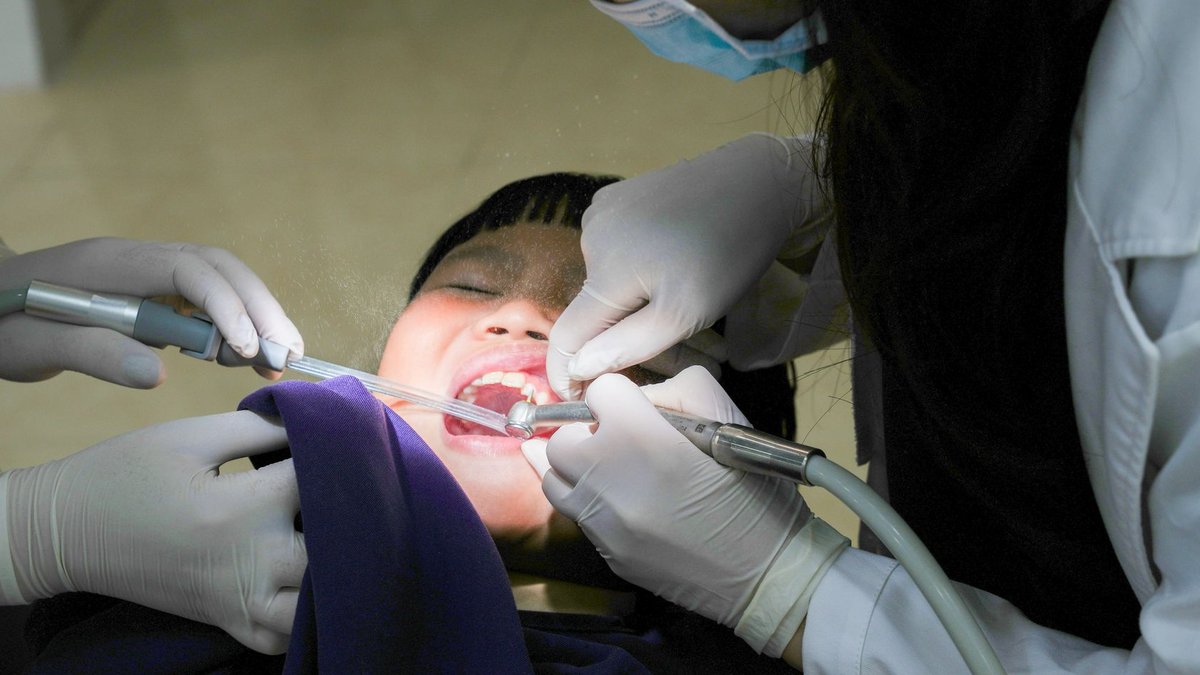
By mid-August 2026, the country recorded 61,000 infections and 58 deaths. In response, the ministry has activated the dengue operations room and deployed personnel to areas identified as hotspots, especially in Kuala Lumpur and Selangor, while expanding the use of Wolbachia-infected mosquitoes as a biological control method. Meanwhile, the ministry is advancing other health programs. Dental care has become a key focus, highlighted by the opening of the Negeri Sembilan Dental Specialist Centre, a RM32 million facility serving as a referral point for 11.89 million people across five regions.
Read Also: Shanghai to host European healthcare investment summit
Since its launch in September 2025, the center has treated 11,085 patients, boosting daily capacity from 80 to 150 by introducing advanced equipment and reducing wait times from two months to two to three weeks. The center’s expansion aligns with broader dental healthcare improvements. A new Dental Information System and training facilities are enhancing staff expertise, while eight mobile clinics will be deployed by the end of the year in states such as Sabah, Perlis, Penang, Selangor, Putrajaya, and Johor.
The ministry is also reviewing plans to expand basic dental screenings under the PeKa B40 initiative, positioning preventive care as essential for managing chronic conditions. Beyond vaccines, dengue prevention relies on partnerships with local governments to eliminate mosquito breeding grounds. Biological controls, including Wolbachia-infected mosquitoes, are being integrated with traditional methods. The decision to include the vaccine in the NIP will depend on cost-effectiveness and public health benefits, but immediate measures remain the priority.





Leave a Reply