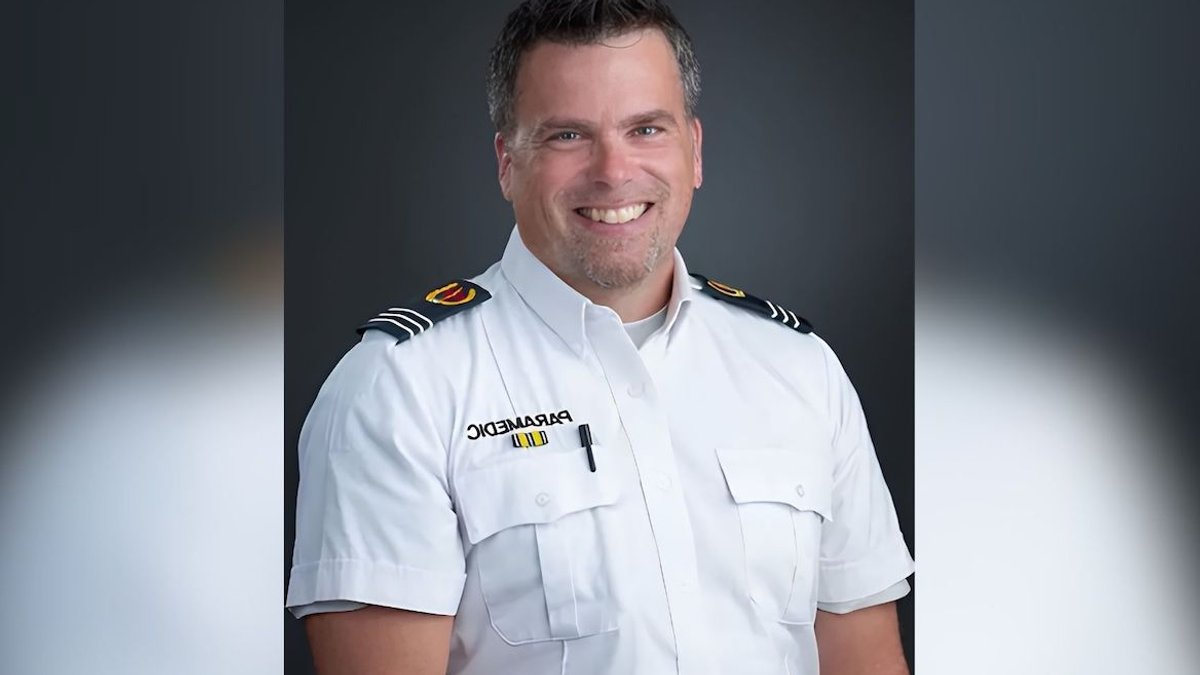
The image of a paramedic—sirens wailing, racing through traffic to reach a crisis—is familiar from television. The reality, as described by those in the field, involves a wider range of responsibilities and a deeper impact.
The many roles behind the uniform
Sean Teed, a licensed critical care paramedic in Nova Scotia, has spent three decades in the profession. His career includes ground ambulances, air medical transport, and education. He has also worked in policy, research, and interprofessional training.
“We have paramedic scientists who publish evidence that shapes how care is delivered,” Teed said. “Their work may not involve direct patient contact, but it influences every call responders answer.” He co-edited a book on paramedic decision-making and teaches medical students at Dalhousie University, helping prepare future healthcare providers.
The profession spans research, policy, and education, where outcomes are measured over time rather than just in moments of crisis.
From curiosity to career
Teed did not originally plan to become a paramedic. While studying business in university, he lived near a hospital and became intrigued by the constant arrival of ambulances. After volunteering and observing a shift, he left school to train as an emergency medical technician.
“It felt cool. It felt good. It felt interesting,” he said.
Related: Nova Scotia Leads Canada with New Parkinson’s Therapy
Early doubts arose during his first week when he performed CPR on someone he recognized from the community. “It was a little bit of an ‘Oh, did I make the right decision?’” he said. He got over that feeling pretty quickly and, since then, hasn’t looked back. He, to this day, is grateful that he chose the career path he did.
The evolution of the profession
When Teed began, paramedics were primarily seen as transporters, focused on getting patients to hospitals quickly. Over time, the role expanded as technology improved and data became more accessible. Paramedics started delivering care during transport rather than just moving patients.
Now, they contribute to healthcare in ways that were unimaginable 30 years ago. “We’re not just responding to emergencies,” Teed said. “We’re helping shape how patients move through the system, ensuring care matches their needs.”
The transition has not been smooth. Teed believes education has lagged behind the profession’s growing demands. “We can’t just train technicians anymore,” he said. “We need paramedics who can think critically, adapt, and make life-changing decisions.”
His teaching stems from this belief. He wants new paramedics to enter the field prepared, with both technical skills and the ability to solve problems under pressure. “The stakes are too high to rely solely on on-the-job learning,” he said.
The profession offers a distinct perspective on healthcare. Frontline experience provides insights that should inform policy, research, and system design. “We’re at a point where we belong in discussions we once thought were beyond us,” he said. “We have evidence and expertise to contribute.”
What TV gets wrong—and right
Television often highlights the dramatic: crashes, cardiac arrests, and high-stakes rescues. Teed has handled many such cases. “When we worked air ambulance, every call was someone’s worst day,” he said. But the shows overlook the quieter, emotional aspects of the job—the moments of connection and small acts of care that define the work.
Related: Jennifer Aniston Shares Her Summer Workout
“Paramedicine is about caring for people,” he said. “It differs from other professions, but at its core, it’s built on empathy.”
He recalls dancing with elderly patients in nursing homes after calls or sitting with families in waiting rooms. “You get the chance to make a positive difference in someone’s life,” he said. “That’s what matters most.”
For those considering the field, Teed advises: “Listen. Follow your instincts. You don’t need all the answers.” The most effective paramedics, he notes, combine confidence with compassion—knowing when to take charge and when to let the patient guide the interaction.
“It’s a balance,” he said. “When it works, it’s why we stay.”
Teed’s career reflects the broader research and personal journey many in healthcare experience as they adapt to evolving roles and challenges.


Leave a Reply