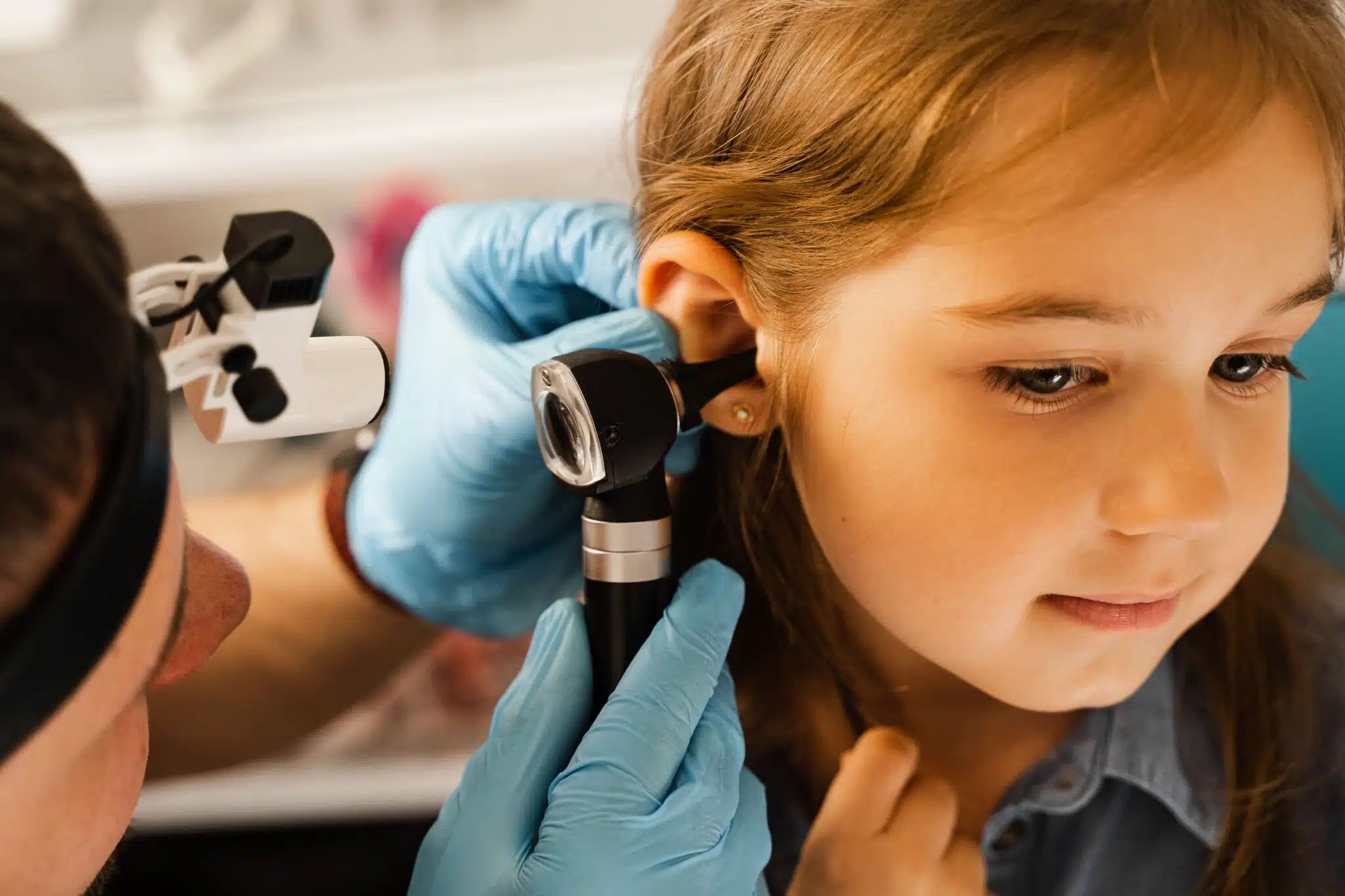
Recognizing early warning signs of ent for kids near me prevents chronic discomfort, speech delays, and severe secondary infections. Children are uniquely susceptible to ENT conditions due to their developing immune systems and smaller, narrower anatomical structures. What appears to be a simple cold or routine fussiness can quickly develop into recurring ear infections, sleep apnea, or persistent sinus issues. Knowing how to identify key symptoms empowers parents to seek timely medical care and keep their children healthy and comfortable.
Recognizing the Signs of Pediatric Ear Infections
Ear infections are among the most frequent reasons parents bring young children to the pediatrician. Young Eustachian tubes are shorter and more horizontal than adult tubes, making it easy for fluid and bacteria to become trapped behind the eardrum. While older children can easily vocalize ear pain, toddlers and infants express discomfort through behavioral cues that are easy to miss.
An active middle ear infection is frequently indicated by persistent ear pulling, unforeseen balance issues, fluid pouring from the ear canal, and unusual agitation during feedings. Unexplained fevers paired with a sudden reluctance to lie flat, which increases pressure in the inner ear, are additional clear indicators. Frequent, untreated ear fluid buildup can muffle sound perception, potentially delaying speech development and language processing during early milestones.
Identifying Tonsillitis, Adenoid Enlargement, and Breathing Issues
Enlarged tonsils and adenoids significantly impact a child’s breathing, swallowing, and sleep quality. Tonsils and adenoids act as infection-fighting tissues, but chronic inflammation causes them to swell, partially blocking the airway. Recognizing the difference between a temporary sore throat and chronically enlarged tissues helps prevent long-term sleep disturbances.
Choking or gagging while eating, persistent bad breath, a nasal-sounding voice, and chronic mouth breathing indicate swollen adenoid tissue. During sleep, watch for loud snoring, heavy gasping, restless tossing, or brief pauses in breathing, which are classic signs of pediatric obstructive sleep apnea. Poor sleep quality directly affects daytime mood, attention span, and behavioral control at school, making proper medical evaluation essential.
Spotting Chronic Sinusitis and Allergies
Distinguishing between a standard viral cold and chronic pediatric sinusitis prevents unnecessary antibiotic use while targeting the root cause of nasal congestion. Children catch several colds a year, but symptoms that persist past ten days without improvement often indicate a secondary sinus infection or underlying environmental allergies.
A persistent daytime cough, dark circles under the eyes, thick yellow or green nasal discharge, and frequent headaches around the forehead or eyes point toward sinus involvement. Children with chronic sinus inflammation often rub their noses upward frequently, a behavior known as the allergic salute. Addressing underlying allergies reduces mucosal swelling and keeps sinus drainage pathways clear.
Protecting Your Child’s Long-Term Health
Monitoring ear, nose, and throat symptoms protects your child’s overall growth, educational development, and everyday well-being. Ear, nose, and throat health directly impacts how children sleep, learn, speak, and interact with the world around them. Catching anatomical blockages or recurring infections early ensures gentle, effective treatment plans before minor issues disrupt daily routines.
Partnering with your pediatrician or a dedicated pediatric ENT specialist gives you access to tailored solutions, from gentle allergy management to routine ear tube placement. Taking a proactive approach to your child’s health alleviates unnecessary pain and restores peaceful sleep for the entire family. Paying attention to subtle behavioral cues today ensures your child stays happy, active, and thriving.





Leave a Reply