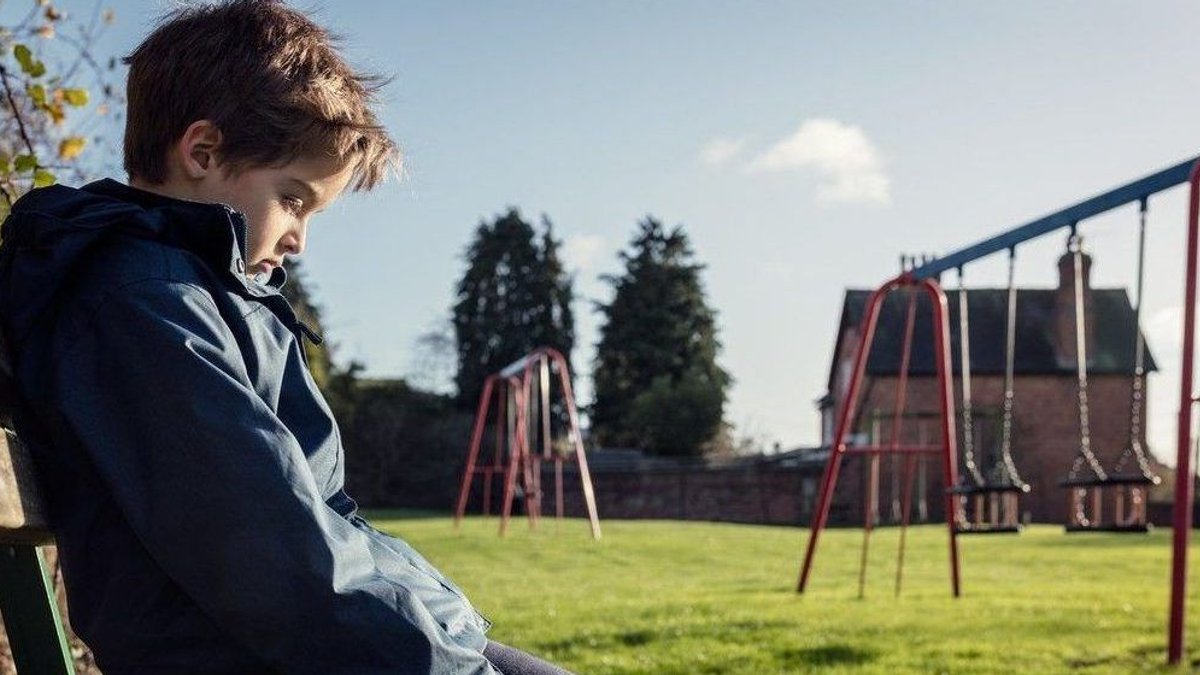
Loneliness is becoming a defining issue for the next generation. At a recent infectious disease conference, an experienced pediatrician noted that on many days, he no longer feels like a doctor but rather like a social worker or psychologist. The rise in loneliness among children is often overlooked, yet it has become increasingly common, affecting up to 80 per cent of young people at some point.
Disconnecting to Connect
A grandparent recently observed that the more connected we are, the more disconnected we have become. This paradox highlights the role of digital technology, which ironically supports emotional disconnection despite constant connectivity. While excessive screen time plays a significant role, a variety of other factors contribute to the growing epidemic of isolation.
Academic pressures have intensified, leaving children with less time to socialize. Many are exhausted from stress, long hours of studying, and complex projects that extend well past the school campus. Family trends have shifted as well, with high-conflict divorces and parental alienation becoming more prevalent. A psychologist dealing with these cases noted that the job often involves teaching parents to love their child more than they hate each other.
Related: Kids benefit from free play without adult supervision
Children who are bullied or excluded by peers face a significantly higher risk of loneliness. One teenager told his parents he had no friends, a statement that tragically preceded his suicide. At the funeral, several classmates claimed to have been his friends, revealing the nuance between superficial connections and the deep, meaningful relationships a child actually craves.
Extended family connections used to be a staple of child development, yet today many families live far apart. The global economic setting, including wars and inflation, adds another layer of complexity. Parents often work multiple jobs to make ends meet, and the chaos of the world can lead to parental depression, leaving caregivers less available to their children. For single parents, the challenge of raising a child alone has become even steeper, likened by one physician to running a marathon uphill.
Building Social Muscles
When loneliness remains unaddressed, the risk of young people becoming depressed, anxious, aggressive, or socially withdrawn increases significantly. To combat this, experts suggest that love is spelled T-I-M-E. Spending quality time with children and teens is essential to help them feel less isolated. This deliberate connection can reduce the risk of suicide and provide the emotional support necessary for mental health.
Related: How Does Extreme Heat Affect People with Diabetes?
Open communication is often described as “Vitamin C” for a child, where the letter C stands for connection. This dialogue creates a safe space for teens to share their feelings. They want to be noticed, loved, and heard. One parent shared a useful image regarding teens: they want to be in the pool alone, on their own terms, but they also appreciate having a parent at the side of the pool, just in case.
Enrolling children in extracurricular activities offers a structured way to build friendships and learn face-to-face social skills. Developing empathy and compassion requires effort and repetition, much like training physical muscles at a gym. Parents can also play a vital role by limiting screen time. Three spaces should remain completely free of “smart” phones: the meal table, the bedroom, and schools during classroom times. It begins with the parents.
It is difficult to watch a parent miss a moment with their child because they are distracted by a screen. Parents often open their phones during meals or walks, treating their families like a secondary concern compared to their digital feeds. Breaking this cycle requires a conscious effort to put the device away and focus on the present moment.





Leave a Reply