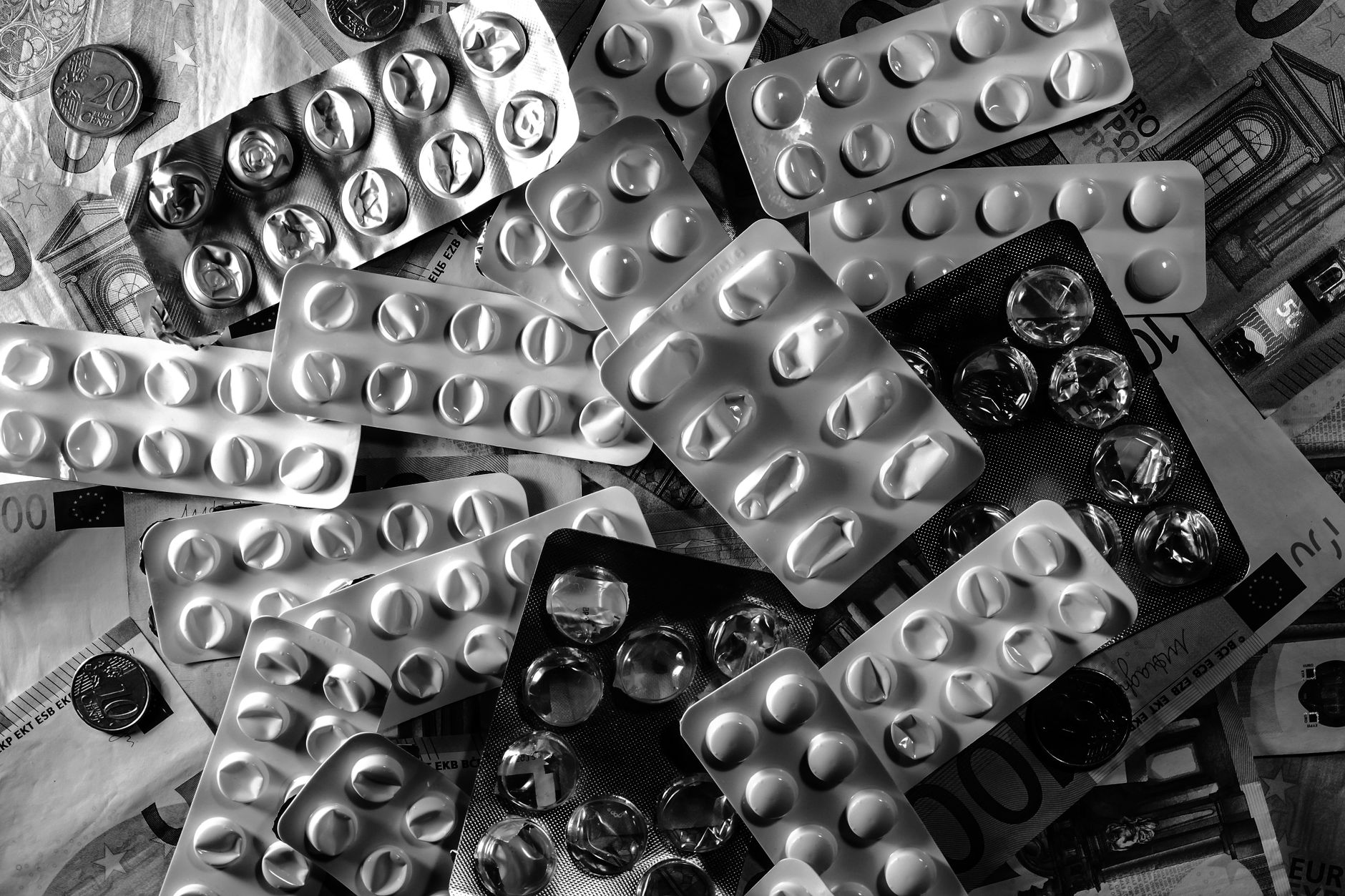
Antimicrobial resistance is a growing crisis in Europe, with antibiotic consumption in the European Union increasing by 1% between 2019 and 2023, according to the report.
While some progress has been made, setbacks have occurred, including a nearly 60% rise in carbapenem-resistant Klebsiella pneumoniae bloodstream infections.
Antimicrobial resistance occurs when microorganisms evolve to resist the effects of drugs designed to kill them, rendering treatments ineffective and making once-manageable infections difficult or impossible to cure.
Related: Finding Relief: How a neck pain chiropractor in Fargo Can Help
Resistance develops primarily due to the misuse and overuse of antibiotics in both humans and animals, with bacteria adapting and surviving when antibiotics are used improperly.
Consequences of antimicrobial resistance are profound, with common infections, surgeries, and medical treatments relying on effective antibiotics to prevent and treat associated infections.
Without these drugs, routine procedures could become life-threatening.
Antimicrobial resistance prolongs illnesses and increases healthcare costs.
Related: New marker identifies advanced prostate cancer patients for combo immunotherapy
The European Centre for Disease Prevention and Control has highlighted three critical areas for intervention: infection prevention and control, prudent use of antibiotics, and developing new, effective antimicrobials.
Measures such as improving hand hygiene practices and screening for resistant bacteria are essential for infection prevention.
Hospitals must also expand their capacity to isolate patients who test positive for resistant infections, which requires increasing the number of single rooms available for such cases, and they must invest in specialised staff and training programmes.
Promoting prudent use of antibiotics is also essential, with public awareness campaigns and behavioural interventions needed to address the misuse of antibiotics in community settings, and developing novel antimicrobials is critical, with increased investment in research and development needed.
Related: Respiratory Vaccination Lowers Heart Disease Risk
It is essential to protect the efficacy of antibiotics and safeguard modern medicine and public health, and all sectors must work together, with infection prevention, responsible antibiotic use, and investment in innovative treatments vital strategies in the fight against antimicrobial resistance.
The European Union can preserve the effectiveness of antibiotics by acting decisively now, ensuring that its healthcare systems remain resilient in the face of this growing challenge, and that patients continue to have access to life-saving treatments, which is a goal that requires a unified effort from governments, healthcare providers, and individuals.
They must work together to address antimicrobial resistance.



Leave a Reply