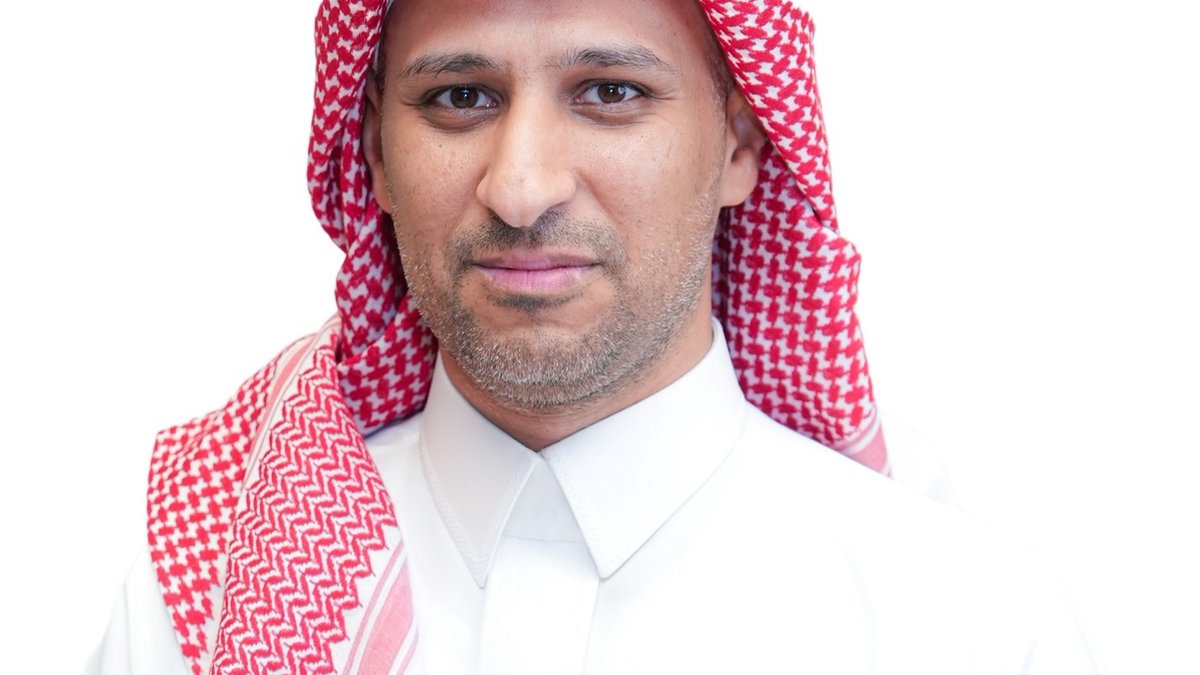
Across the Middle East and North Africa, the incidence of multiple myeloma has risen steadily over the past three decades. To understand this shift, Middle East Health sat down with Dr. Ghazi Alotaibi, Associate Professor and Consultant Hematologist at King Saud University. The discussion focused on patient journeys and the latest innovations available for treatment.
What is striking is the age at which patients get diagnosed and how far advanced the disease is at the time. In the Gulf, the median age at diagnosis is often between 43 and 58 years compared with 66 to 70 years globally. Retrospective studies in Qatar and UAE show that the majority of patients were diagnosed at Stage III, whereas in most Western series patients are typically identified at Stage II.
Dr. Alotaibi has cared for Saudi patients in their thirties—young adults at the peak of their professional and family lives—who arrived already with advanced bone disease and renal involvement. These cases are not rare exceptions for us; they are a recurring pattern. And the impact on their lives is devastating.
Related: Movement breaks cut fatigue and lift mood without hurting work output
It is a profound recalibration of everyday life because of how the disease affects the patients physically and emotionally, both at presentation and during treatment. Multiple myeloma is a cancer of the plasma cells that live in our bone marrow and produce antibodies to help us fight infections. In multiple myeloma, these plasma cells become abnormal, multiply uncontrollably, and crowd out the healthy cells the body needs to function. They also produce faulty antibody that can damage the kidneys, weaken the bones, and disrupt the immune system.
Physically, the disease announces itself through bone pain that can be relentless. Patients describe it as deep, gnawing, and unlike any pain they have known. Fragility fractures from simple movements, persistent fatigue that no amount of sleep resolves, recurrent infections that interrupt treatment plans, and the cognitive fog that can accompany anemia or kidney dysfunction all become part of the daily setting.
Treatment itself, with its cycles of chemotherapy, immunomodulators, steroids, and for many patients an autologous stem cell transplant, brings its own demands, including impact on eyesight, gastrointestinal symptoms, mood changes from steroids, and constant vigilance against infection.
Related: Physician Assistants Bridge Gaps in Cancer Care
Emotionally, the impact is just as heavy and often less visible. When the patient sitting across from you is 42 rather than 70 years old, the conversation changes. They are typically the primary breadwinner, often with young children, sometimes still building their career. I have had patients who delayed telling their parents for months because they could not bear to be the cause of that grief. I have had others who wept for the wedding of a daughter they feared they would not see. Patients may hesitate to discuss their diagnosis openly, which can delay seeking psychological support that would genuinely help.
Access and the Future
In our region, this moment is often complicated by something specific: the awareness that new evolving treatments exist somewhere in the world. Patients today are well-informed; they read, they connect with patient communities online, they hear about chimeric antigen receptor or CAR T cell therapy and bispecific antibodies which are emerging and innovative immunotherapies and approaches that have shown promising results in certain patient populations. When a family understands that a new or emerging therapy has helped patients elsewhere but is not yet readily accessible to them locally, the distress is compounded by a sense of geographic injustice. That feeling is real, and I think we have to acknowledge it honestly rather than dismiss it.
The momentum across our region toward bringing innovative therapies to patients is real, and it is accelerating. Leaders in healthcare – ministry officials, hospital executives, academic chairs – are genuinely engaged with cutting-edge treatment options, and that posture of openness is the foundation everything else is built on. New specialized hematology and cellular therapy centers are being established across the Gulf, and Saudi Arabia is playing a leading role.
Related: Paramedics share the impact of their work
Three things, in my view, will determine how quickly we close the access gap. First, training and knowledge sharing with global partners must continue and deepen. Twinning programs with established international centers, structured fellowships, and on–site mentorship during early cases all accelerate that learning curve. Second, we need streamlined and predictable regulatory and reimbursement pathways so that approved therapies actually reach the patients who need them, in the timeframe that the disease demands. Third, as treating physicians, we have a responsibility to advocate – with policymakers, with payers, and with our own institutions for individualized, evidence-based treatment options that match each patient to the therapy most likely to benefit them. The Saudi Myeloma Working Group, of which I am a member, is an example of the kind of advocacy we need.
My vision is a future in which a patient’s geographic location—whether they live in central Riyadh or in a small town in the Northern Borders—does not dictate their access to new or emerging treatment options for multiple myeloma and I am genuinely hopeful about where the next five years will take us.

Leave a Reply