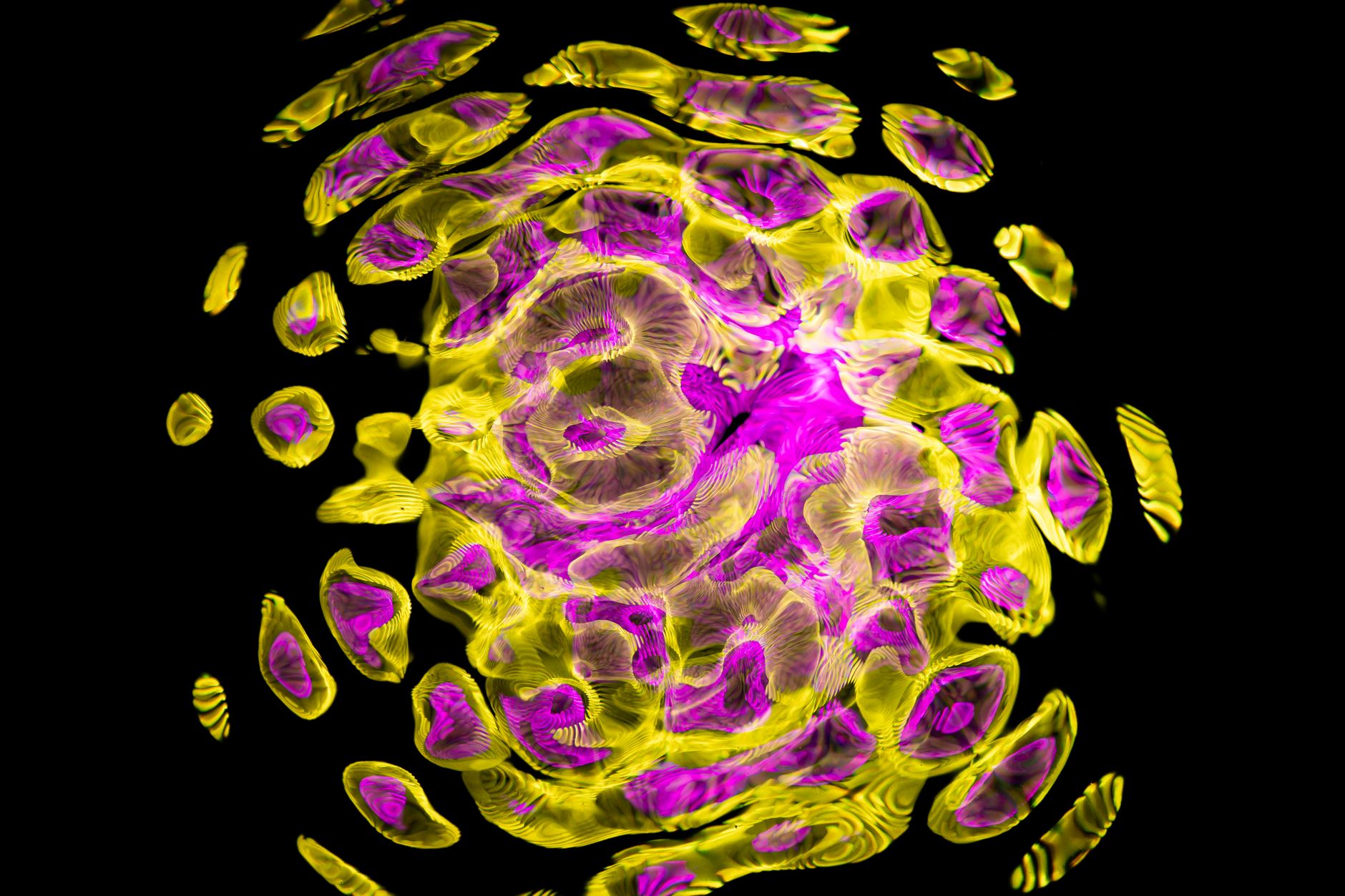
Neutrophils, the most common white blood cells in the body, can produce a protein called C4A, which has been linked to schizophrenia, a disorder of the brain, according to new research. This discovery adds to a growing list of hints that tie schizophrenia to events occurring elsewhere in the body.
The study, published in the Proceedings of the National Academy of Science, found that neutrophils can make C4A, a protein that has been implicated in a process called synaptic pruning, in which the brain periodically rids itself of excessive nerve-cell-to-nerve-cell contact points called synapses.
Schizophrenia affects one in every 100 persons globally, with symptoms including hallucinations, delusions, and fixations, as well as cognitive impairment. Current treatments for schizophrenia are palliatives, meaning they don’t stop disease progression or restore motivation or cognitive sharpness.
The most effective medication for schizophrenia, clozapine, reduces manifestations such as hallucinations, fixations, and delusions, but has side effects ranging from weight gain to heart attack risk. Interestingly, another of clozapine’s major side effects is that it depletes the numbers of circulating neutrophils.
Related: Researchers find key to stopping fibrosis
Neutrophils account for a good half of a healthy person’s circulating white blood cells and play a key role in the immune system, gobbling up microbial pathogens and spewing out toxic bactericidal substances. They are short-lived, with life expectancies ranging from less than a day to a week, and routinely die on the job, becoming the main cellular ingredient of pus.
The complement system, which includes C4A, is an ancient evolutionary kernel of the modern immune system that can rapidly recognize various inflammatory events such as microbial invasions. In response, a bucket brigade of events ensues, with one by one, the component proteins becoming activated and binding to the next protein in the brigade, activating it.
C4A’s activation gets tripped off when a small fragment of it, called C4-ana, gets snipped off. Activated complement engages in tasks such as punching holes in bacterial cells’ outer membranes and is consistently seen in blood samples from people with schizophrenia.
In the brain, C4A engages in synaptic pruning, which ordinarily enhances cognitive coherence. However, in the schizophrenic brain, the outermost layer, the cerebral cortex, has been shown to contain some 30% fewer synapses than a healthy brain, and to be thinner than normal.
They have found a link between brain thickness and circulating neutrophil counts. Risk factors for schizophrenia include high levels of emotional stress or severe fever in early childhood and daily marijuana use, especially during adolescence. However, these environmental factors are dwarfed by the genetic ones, with the heritability of schizophrenia estimated to be around 80%.
Related: CRISPR blocks RNA, offers hepatitis E treatment path
The number of C4A-gene copies in a person’s genome is the strongest common genetic risk factor associated with schizophrenia. The study found that neutrophils from schizophrenic patients are initiating far more C4A production than healthy controls’ neutrophils, but are holding on to less of it.
This suggests that the protein is being made in abundance in neutrophils, but is somehow getting consumed. The study raises the possibility that neutrophils may play a direct role in schizophrenia, and that blocking their activity could interfere with the disease process, potentially leading to new methods for treatment and recovery.
Drugs that block neutrophil activation wouldn’t need to penetrate the blood-brain barrier, because they’d be working in the peripheral bloodstream. Neutrophil assessments could also be part of a diagnostic, and looking for elevated neutrophil counts might predict the onset of symptoms.
According to the researchers, figuring out where each piece of the schizophrenia puzzle goes helps to snap the rest of them into place more quickly. The study’s findings are summarized in a paper published in the Proceedings of the National Academy of Science, titled “Peripheral complement C4 protein in schizophrenia: Association with gene copy number and immune cell subtypes” (DOI: 10.1073/pnas.2536376123).





Leave a Reply