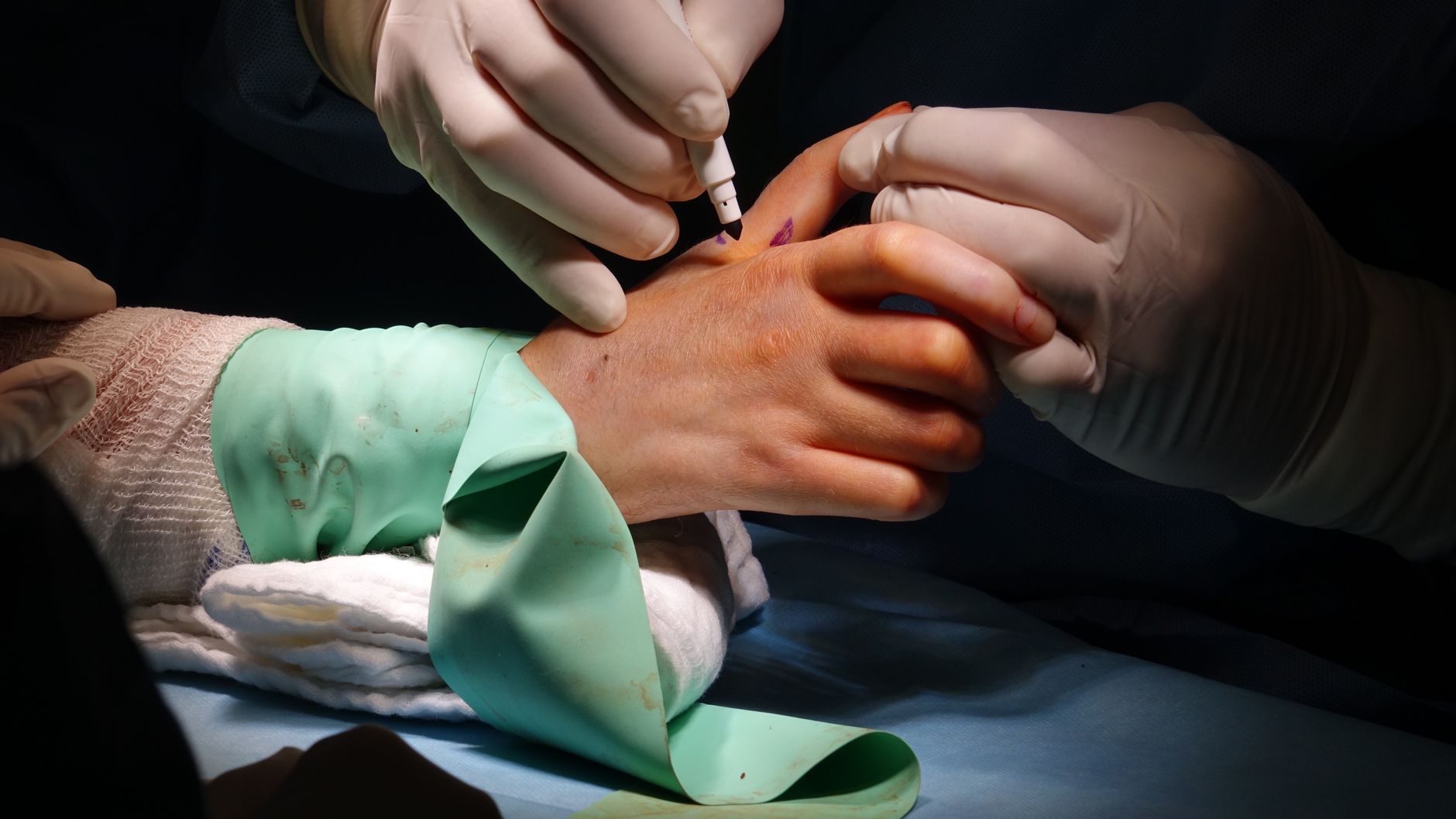
More than 200,000 hip and knee replacements are performed in the U.K. every year, usually as a last resort after conservative treatments like physiotherapy, weight loss, and medications have failed. The average hospital stay for these surgeries is currently 2.7 days.
The NHS recommends that most hip and knee replacements should be performed as day-cases, allowing patients to leave the hospital on the same day as their operation and recover at home. However, fewer than 1% of patients are currently discharged on the day of their surgery.
Potential benefits of day-case surgery include faster recovery, reduced infection risk, improved patient experience, and shorter waiting lists for surgery. This approach can also create considerable cost savings for the NHS.
Addressing the Challenges
The IDAPO study, a six-year NIHR Program Grant of £3.8 million, aims to understand why hip and knee replacement surgeries aren’t routinely delivered as day-case procedures. The study is led by Dr. Ines Rombach and Antony Palmer, a clinician scientist and orthopedic surgeon.
Palmer notes that most patients who undergo day-case surgery are pleased with their experience, but some patients and their support networks express reservations due to medical or social reasons.
Related: Babies’ brains prepare for speech early on
They have performed day-case surgeries for over 10 years, and they are strongly encouraged by the NHS, yet only a very small portion of patients leave the hospital the same day, according to Palmer. There is much to find out about day-case surgery, including patient and clinician views, barriers and facilitators of day-case surgery, and what represents the best clinical care for each individual.
The study team will review existing research, examine current practices and outcomes of hip and knee joint replacement surgery in the U.K., and interview patients, their caregivers, and healthcare professionals.
Implementing a New Pathway
The team will design a day-case pathway, including training packages and resources for hospital staff and patients. This new pathway will then be tested in a randomized controlled trial comparing it with the current standard care, which involves a hospital stay of at least one night.
If the IDAPO study is successful in developing an efficient day-case pathway, it has the potential to save the NHS £40 million annually.
According to the study’s lead researchers, the key to successful day-case surgery lies in understanding the complex interplay between medical, social, and systemic factors that influence patient outcomes.
Related: Obesity drugs cut food cravings in study
In terms of numbers, the study will focus on 200,000 hip and knee replacements performed annually, with the goal of increasing the proportion of day-case procedures from fewer than 1% to a significant majority.
Meanwhile, the NHS continues to face challenges in implementing day-case surgery, including limited resources and varying levels of support among healthcare professionals.
The IDAPO study’s findings will be closely watched by healthcare professionals and policymakers, as they seek to improve patient outcomes and reduce costs in the NHS.
For more information about the IDAPO study, patients and healthcare professionals can visit the NIHR website or contact the study team directly.





Leave a Reply