Simple kitchen habits can help you avoid food poisoning and protect your health. About one in eight Canadians gets food poisoning each year. Older adults face a higher risk because their immune systems weaken with age. Even mild cases can have serious effects on the body. The good news is that following basic food safety steps can reduce this risk significantly.
A clean kitchen prevents illness
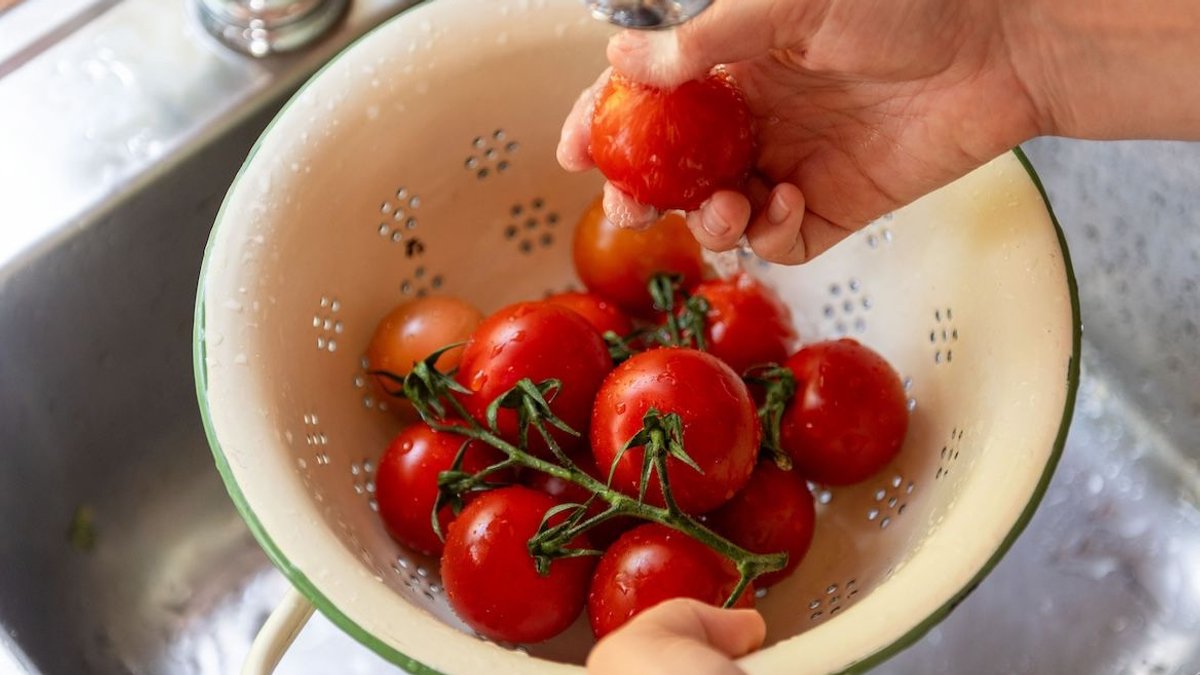
A clean kitchen is one of your best defenses against food-borne illness. Wash your hands with soap and warm water for at least 20 seconds before and after handling food. This routine stops bacteria from spreading from your hands to countertops, cutting boards, and utensils. Rinsing fresh vegetables and fruit under cool running water removes dirt and potential contaminants before they reach your plate. Good lighting helps too. If you wear glasses, use them to spot spills, mould, or spoilage on surfaces that look clean to the naked eye.
Refrigerate leftovers within two hours of cooking and label them with the date prepared. Enjoy refrigerated leftovers within two to four days or freeze them for later.
Related: Supporting Caregivers to Prevent Their Own Burnout
Temperature control stops bacteria growth
Bacteria grow quickly between 4 degrees Celsius and 60 C. This range is often called the danger zone. Keep hot foods at or above 60 C and your refrigerator at 4 C or colder. Thaw meat, poultry, fish, and seafood in the refrigerator, not on the kitchen counter. If you use the microwave to thaw food, cook it immediately afterward.
Refrigerate leftovers within two hours of cooking and label them with the date prepared. Enjoy refrigerated leftovers within two to four days or freeze them for later.
Cooking and reheating safely
You can’t tell if food is safely cooked just by looking at it. An instant-read digital food thermometer is one of the most useful tools you can have in your kitchen. Cook fish, meat, and poultry and reheat leftovers until they reach an internal temperature of 74 C. Reheat only the portion you plan to eat and avoid reheating the same leftovers more than once. Keep raw foods separate from cooked and ready-to-eat foods. Use separate cutting boards, plates, and utensils for raw and cooked foods. Choose pasteurized milk, cheese, and juices. If you’re unsure whether food is safe based on its smell, taste, or appearance, it’s safest to throw it out.
Related: Gut Check Reveals Truth About Cleanses, Parasites, Health
Small steps, such as storing leftovers promptly, eating them within two days or freezing them, and using a food thermometer, can help protect your health while reducing food waste. This approach is similar to how travelers pack luggage: you can fill a bag with the essentials, but if you don’t organize the contents or check the weight, you might find yourself overwhelmed at the airport. Similarly, organizing your fridge and knowing exactly what you have prevents clutter and waste.
Mediterranean Chickpea Pasta Salad
Wash your hands with soap and warm water for at least 20 seconds. Rinse all vegetables under cool running water before preparing them. In a large bowl, combine all ingredients. Add the dressing and toss gently. Serve right away or refrigerate in a covered container. Enjoy within two days.
- 3 cups (750 mL) cooked whole wheat short pasta like penne
- 1 can (540 mL) chickpeas, drained and rinsed
- 1 1/2 cup (375 mL) cherry tomatoes, halved
- 1 cup (250 mL) large carrot, coarsely grated
- 1 cup (250 mL) baby bocconcini cheese or mozzarella pearls
- 1/4 cup (60 mL) your favourite Mediterranean salad dressing
Use chopped peppers, celery, broccoli, or cauliflower for extra colour and crunch. You can try cooked diced chicken or diced firm tofu instead of chickpeas. Note: To get 3 cups (750 mL) of cooked pasta, use about 1 1/2 cups (375 mL) dried pasta.




Leave a Reply